New trail camera photos show three critically endangered mountain bongos in a Kenyan forest. This is a place where conservationists thought these rare antelopes had disappeared. The discovery offers hope for a species with fewer than 100 individuals left in the wild.
Oscar Dyer, operations director at the Mountain Bongo Project (MBP), shared the excitement. He said seeing a bongo again reinforces their drive to protect the forest and find more bongos. The MBP is the only group focused solely on protecting these animals.
The Elusive Mountain Bongo
The mountain bongo is a chestnut-colored antelope with large ears and white stripes. It's known as the "ghost of the forest" because it is very shy. Over the last century, hunting, disease, and habitat loss have pushed them to near extinction. Illegal logging and farming also threaten their preferred habitats, which have rich soil and water.
We're a new kind of news feed.
Regular news is designed to drain you. We're a non-profit built to restore you. Every story we publish is scored for impact, progress, and hope.
Start Your News DetoxAbout 700 mountain bongos live in zoos and sanctuaries worldwide. However, fewer than 100 remain in the wild. Their main wild population is in the Aberdares, a mountain range in central Kenya. The new photos show bongos in a forest fragment of Maasai Mau, about 125 miles from the Aberdares. Bongos had not been seen in Maasai Mau for over five years.
Chris McGovern, an animal care specialist at the Denver Zoo Conservation Alliance, noted the importance of these sightings. He said they prove these rare antelopes are surviving in areas where they were thought to be gone. Every confirmed sighting is valuable for such an uncommon animal.
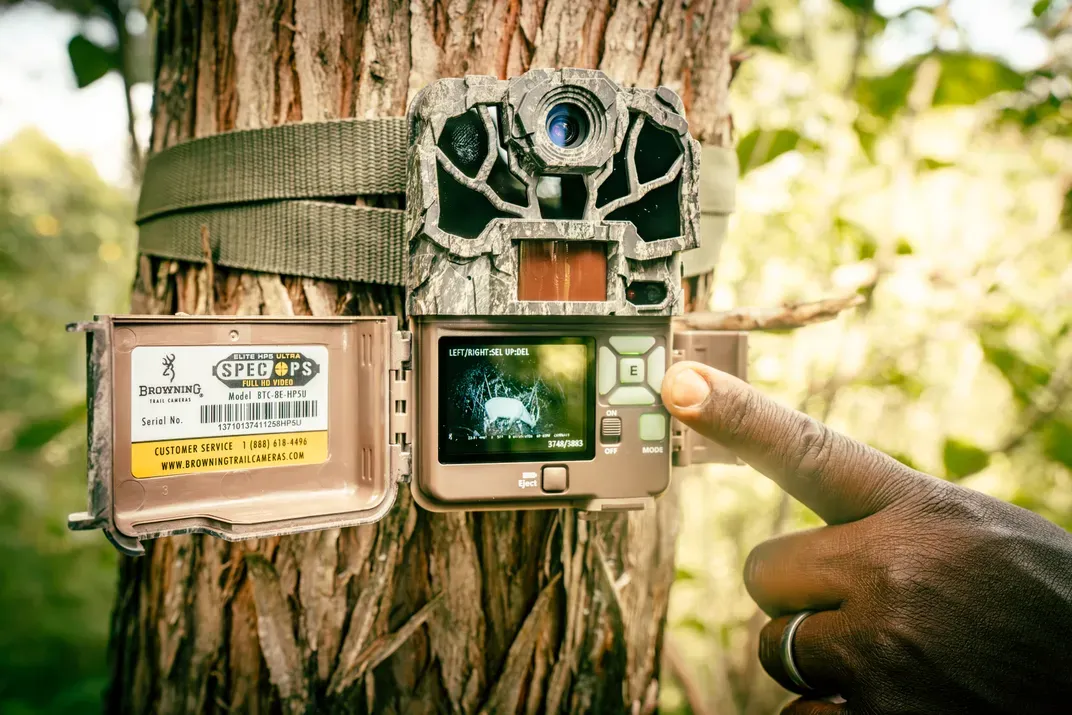
MBP rangers, who know the area well, suspected some bongos were still there. They worked with Tommaso Sandri from Chester Zoo to place trail cameras where bongos were most likely to be found. Stuart Nixon, Chester Zoo's senior manager for Africa, explained that the Mau was historically bongo territory. Its forest fragments suit their needs, so monitoring continued. Finding them is hard due to their shyness and the difficult terrain.
The photos, taken earlier this year, show an adult male, a young male, and a young female. The adult male was likely first seen in 2018. His ability to stay hidden for years suggests other bongos might also be undetected.
Protecting Their Future
This discovery highlights a new bongo habitat that lacks strong protection. Unlike Aberdares, Maasai Mau is not a national park. MBP rangers are patrolling the area to protect the newly found bongos. Conservationists shared the news to emphasize the need to protect these forests before they disappear. Both Chester Zoo and MBP are pushing for formal protection of Maasai Mau.
Beyond protecting wild habitats, conservationists are breeding bongos in zoos and sanctuaries. These animals are meant for eventual release into the wild. The first zoo-born bongos from the U.S. were sent to Kenya in 2004. The Denver Zoo has had 11 bongo births, and their offspring may also return to Africa.
In March, the Chester Zoo, which runs a breeding program across European zoos, sent four male bongos to the Mount Kenya Wildlife Conservancy. These males will add genetic diversity and boost the conservancy's breeding population.
The Mount Kenya Wildlife Conservancy has already surpassed its goal of breeding 100 bongos in human care. Their new goal is to reach 750 bongos by 2050.
Mountain bongos are a key species for Kenya's mountain forest ecosystems. They help disperse seeds and are part of the natural food chain. Each wild bongo sighting helps assess population trends and the success of conservation programs. The photos also highlight the need for protection, as rangers have found signs of illegal logging near bongo sightings.
Sandri called the documentation of these mountain bongos "huge news." He praised the persistence of MBP rangers who work in difficult conditions to monitor and protect this antelope.
Deep Dive & References
Critically Endangered Mountain Bongo - IUCN Red List A Future for Bongos - Chester Zoo Incredibly Rare Antelope Captured on Camera - BIAZA News Mountain Bongo Faces Extinction - Scientific American Mountain Bongo: The Ghost of the Forest - AP News Eastern Bongo - Denver Zoo Bongo Wildlife Conservation - African Wildlife Foundation Kenya National Wildlife Census 2025 Technical Report - Rhino Resource Center Aberdare National Park - Aberdare Park Mau Forest Complex - Kenya CHM-CBD Bringing the Boys Back Home - The Guardian Africa's Rarest Antelope Gets Lifeline - Chester Zoo News Incredibly Rare Antelope Captured on Camera - Visit Cheshire