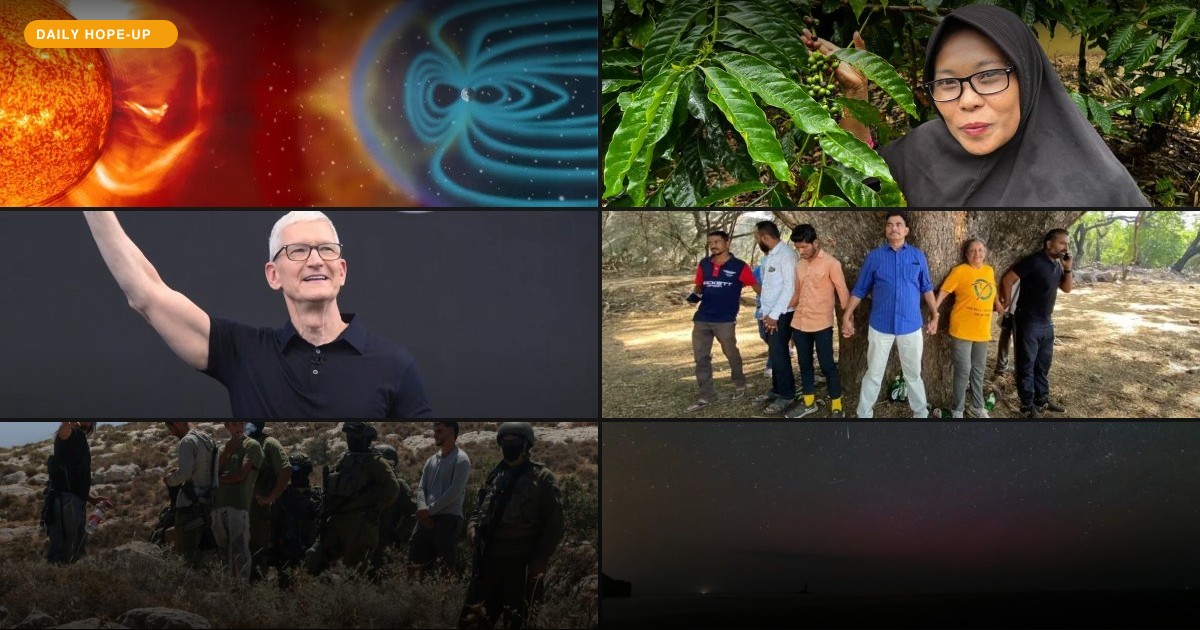
Today, a few different kinds of intelligence were on display. Not just the artificial kind, though that certainly made an appearance. We saw a different sort of smarts at play: the intelligence of nature, the tenacity of human ingenuity, and a quiet, persistent wisdom that understands some things are worth protecting.
The Unseen Protectors: From Orbit to Our Own Backyards
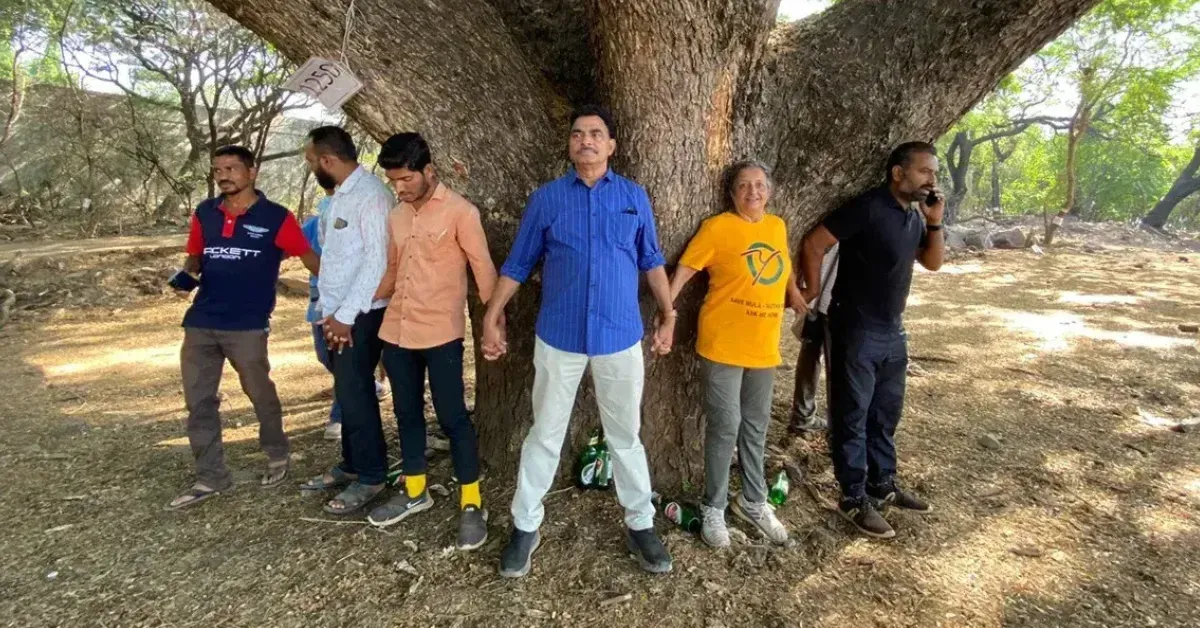
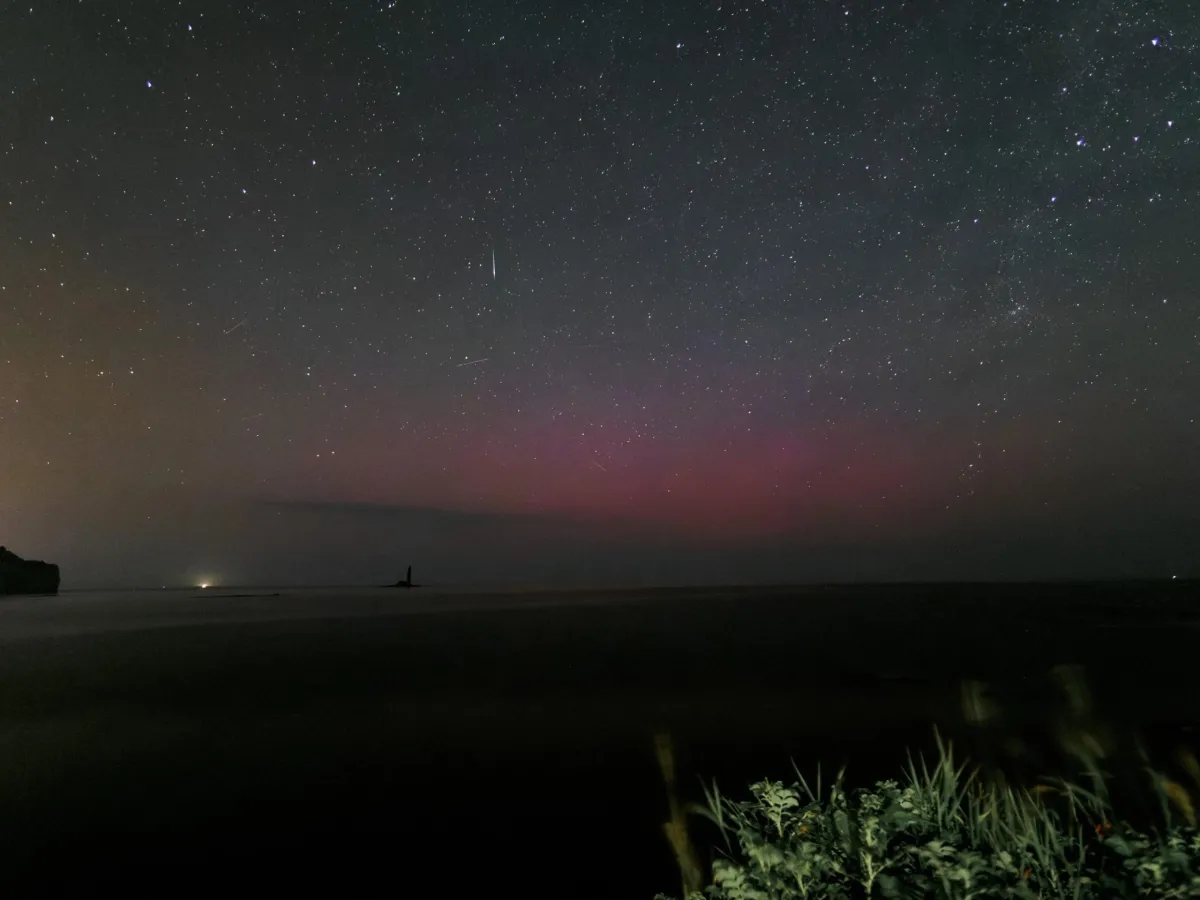
Sometimes, the biggest threats are the ones we can't see, and this week, humanity decided to get clever about them. Researchers unveiled a concept for an orbital airbag that could shield Earth from devastating solar storms by deploying hundreds of tons of gas to blunt incoming solar radiation. Think of it as a cosmic punchbag, ready to absorb the blows that could otherwise wreak havoc on our grids and satellites. Meanwhile, on a decidedly more terrestrial scale, Marathi actor Sayaji Shinde, driven by a promise to his dying mother, didn't just plant 5,000 trees — he planted 650,000. This isn't just about reforestation; it's about creating living shields, tiny lungs, and habitats that protect the very ground we walk on. Both efforts, one grand and theoretical, the other deeply personal and tangible, point to a growing recognition that defense isn't just about borders; it's about the very air we breathe and the systems that sustain us.
What this means for you: Whether it's a gas cloud in orbit or a forest in Maharashtra, someone's thinking about how to keep the lights on and the air clean for the long haul.
We're a new kind of news feed.
Regular news is designed to drain you. We're a non-profit built to restore you. Every story we publish is scored for impact, progress, and hope.
Start Your News Detox"For most people, grief slowly fades into memory. But for Marathi actor Sayaji Shinde, it took root in the soil of Maharashtra and grew into forests." — Read the full story
AI Gets Personal (and a Little Too Nosy)
Artificial intelligence continues its relentless march, and this week it got a significant upgrade, particularly in its ability to get up close and personal. Apple announced a long-awaited AI update for Siri, highlighting security and child safety, while also, one assumes, making your digital assistant a bit more… assistant-like. But AI isn't just about making your phone smarter; it's about building entire new digital infrastructures. The UK, for instance, just dropped $1.47 billion to build its own AI brains and boost chip capacity, a clear signal that nations are racing to control the underlying technology of the future. The conversation around AI has shifted from if to how — how we integrate it, how we secure it, and how we ensure it works for us, not just on us.
What this means for you: Your devices are getting smarter, and governments are investing heavily in the infrastructure that powers them, meaning AI will be an increasingly pervasive, if often invisible, part of daily life.
The Enduring Power of the Earth (and Human Patience)
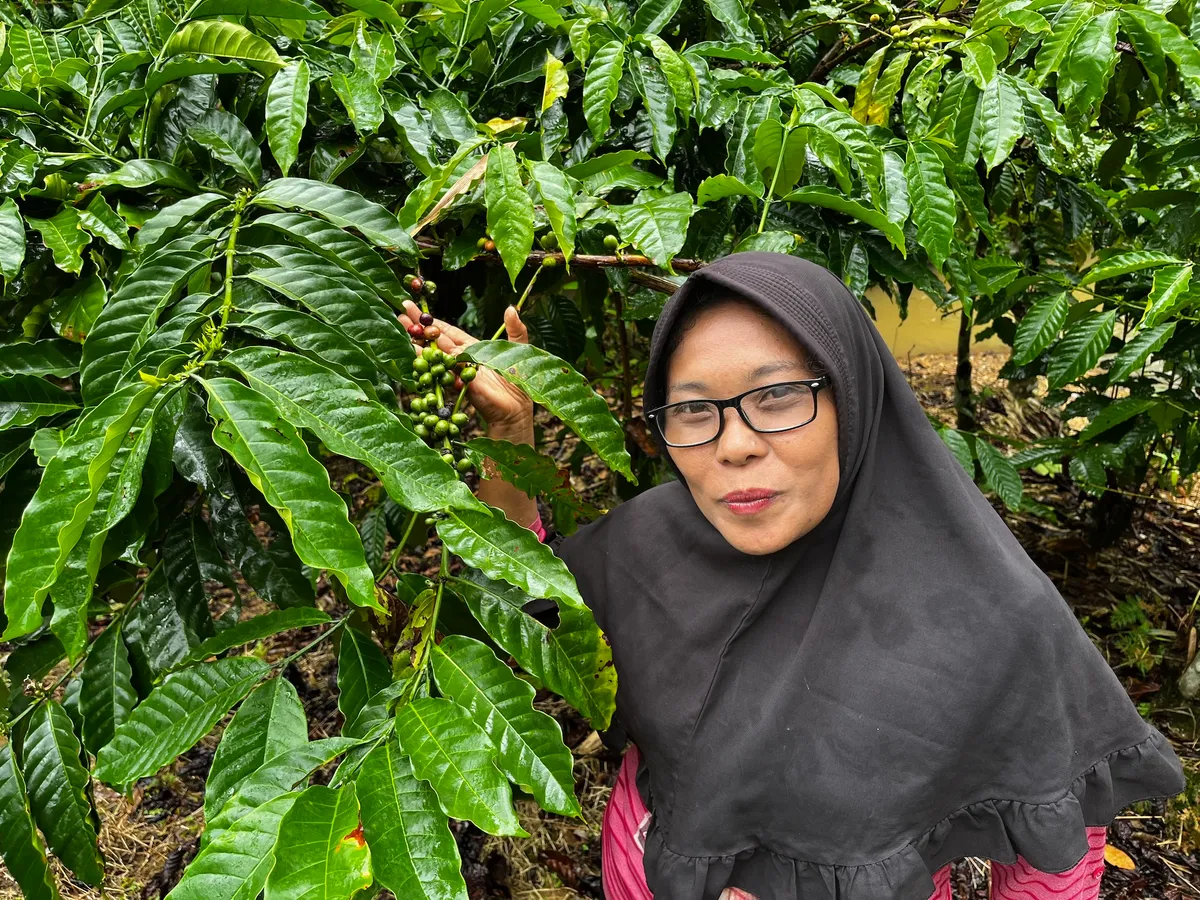
Finally, a quiet nod to the planet itself, and to the people who recognize its long game. In Taiwan, researchers, with a little help from citizen science, confirmed the country's new tallest tree: a 1,000-year-old fir they've aptly named "the heaven sword of the Da’an River." This isn't a quick fix or a clever invention; it's a testament to centuries of silent growth and the sheer resilience of nature. And in Sumatra, Sri Atmiatun took over a neglected coffee plot and, through careful work, linked conservation with livelihoods in the Batutegi region. Both stories remind us that sometimes, the best path forward involves simply respecting what's already there and working patiently with it.
What this means for you: Even as technology accelerates, the slow, steady power of nature and the human dedication to it continue to offer profound lessons and real-world impact.
Hope stat: 650,000 — the number of trees planted by one man to honor a promise to his mother.
Watch this space: The geopolitical dance around AI infrastructure is just beginning to heat up, with more countries likely to announce their own supercomputing initiatives.