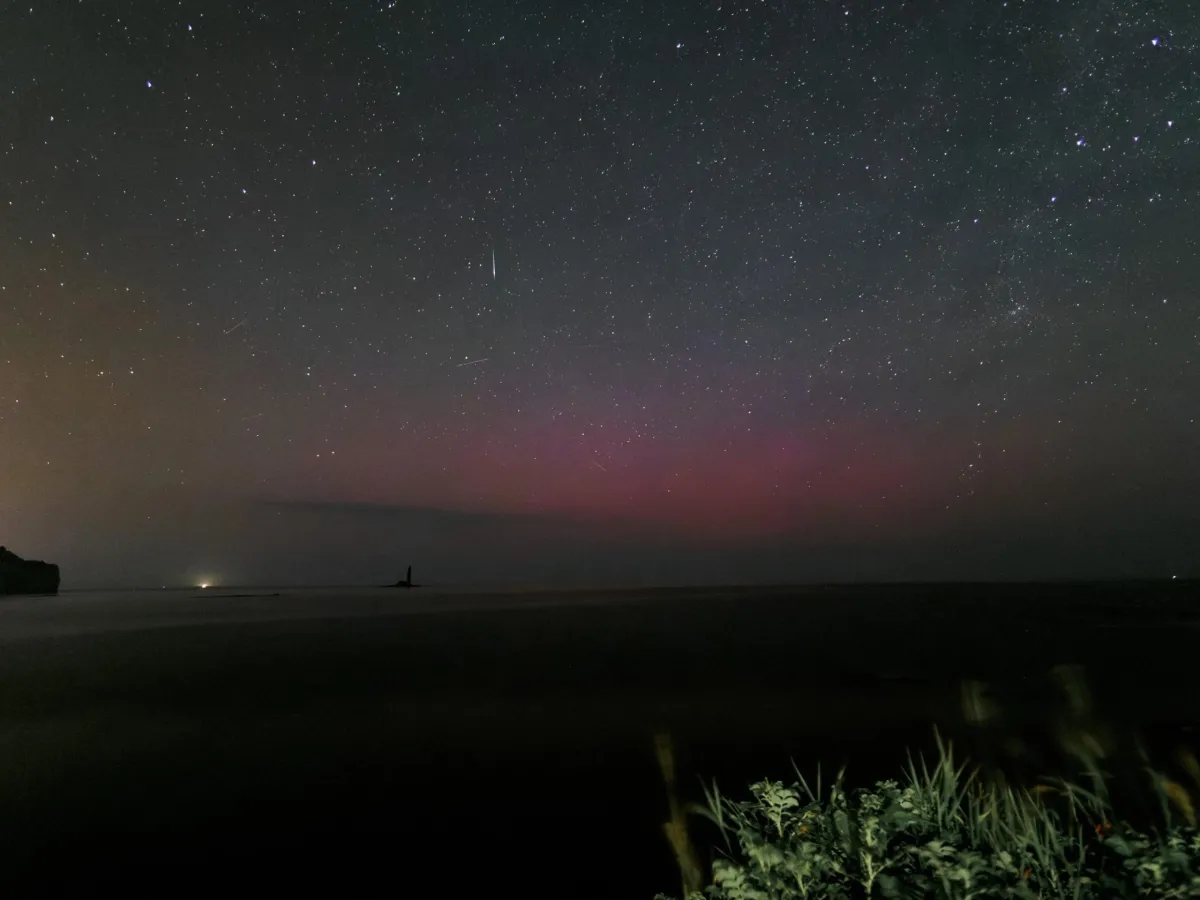
Turns out, some solar storms might be throwing a much bigger punch than scientists previously believed. How big? Big enough to paint the skies over Japan with towering red auroras reaching heights of 500 to 800 kilometers. That’s significantly higher than the usual 200-400 km for these kinds of displays.
Researchers from Hokkaido University and the Okinawa Institute of Science and Technology stumbled upon this rather lofty discovery while poring over several aurora events between June 2024 and March 2025. Because apparently, even space weather has a busy season.
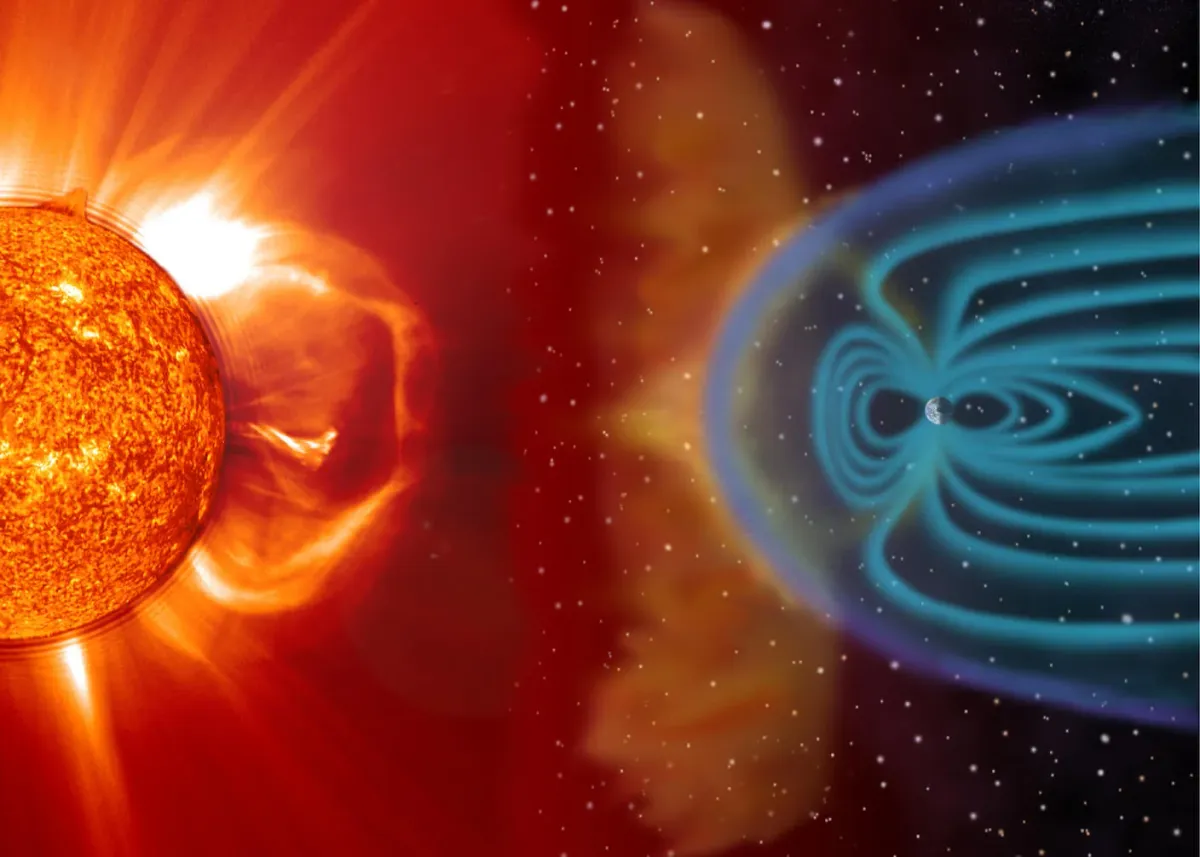
Auroras, for the uninitiated, are the Earth's natural light show, usually reserved for the poles. They happen when charged particles from the Sun decide to get a little too friendly with our planet's magnetic field. But during particularly intense geomagnetic storms, these ethereal lights can wander south, making an appearance over places like Japan.
We're a new kind of news feed.
Regular news is designed to drain you. We're a non-profit built to restore you. Every story we publish is scored for impact, progress, and hope.
Start Your News DetoxThe real head-scratcher here is that the storms causing these sky-high spectacles were only rated as moderately intense. Tomohiro M. Nakayama, the lead author, openly admitted his surprise. Which, if you think about it, is both impressive and slightly terrifying: the universe is throwing us curveballs even when we think we’ve got its measure.
The Sun's Sneaky Side
So, what’s happening? The team thinks dense streams of solar wind might be intensely compressing Earth's magnetosphere — our planet's magnetic shield. This squeeze could be superheating the upper atmosphere, essentially pushing the red aurora region much higher. Also, some charged particles might be discreetly escaping the area, making the storms seem weaker than they actually are. It's like a cosmic misdirection.
If these scientists are right, it means our current space weather tools might be underestimating the true power of certain geomagnetic storms. And nobody likes an underestimated solar storm.
Curiously, a good chunk of this cosmic detective work relied on an unlikely source: citizen scientists. Their photos, taken from various locations across Japan, were crucial in helping researchers measure the auroras’ altitude. It turns out, when you’re trying to triangulate a light show happening hundreds of kilometers up, a few dozen smartphone snaps are incredibly helpful. It’s like crowdsourcing a celestial mystery.
Why This Matters (Beyond Pretty Lights)
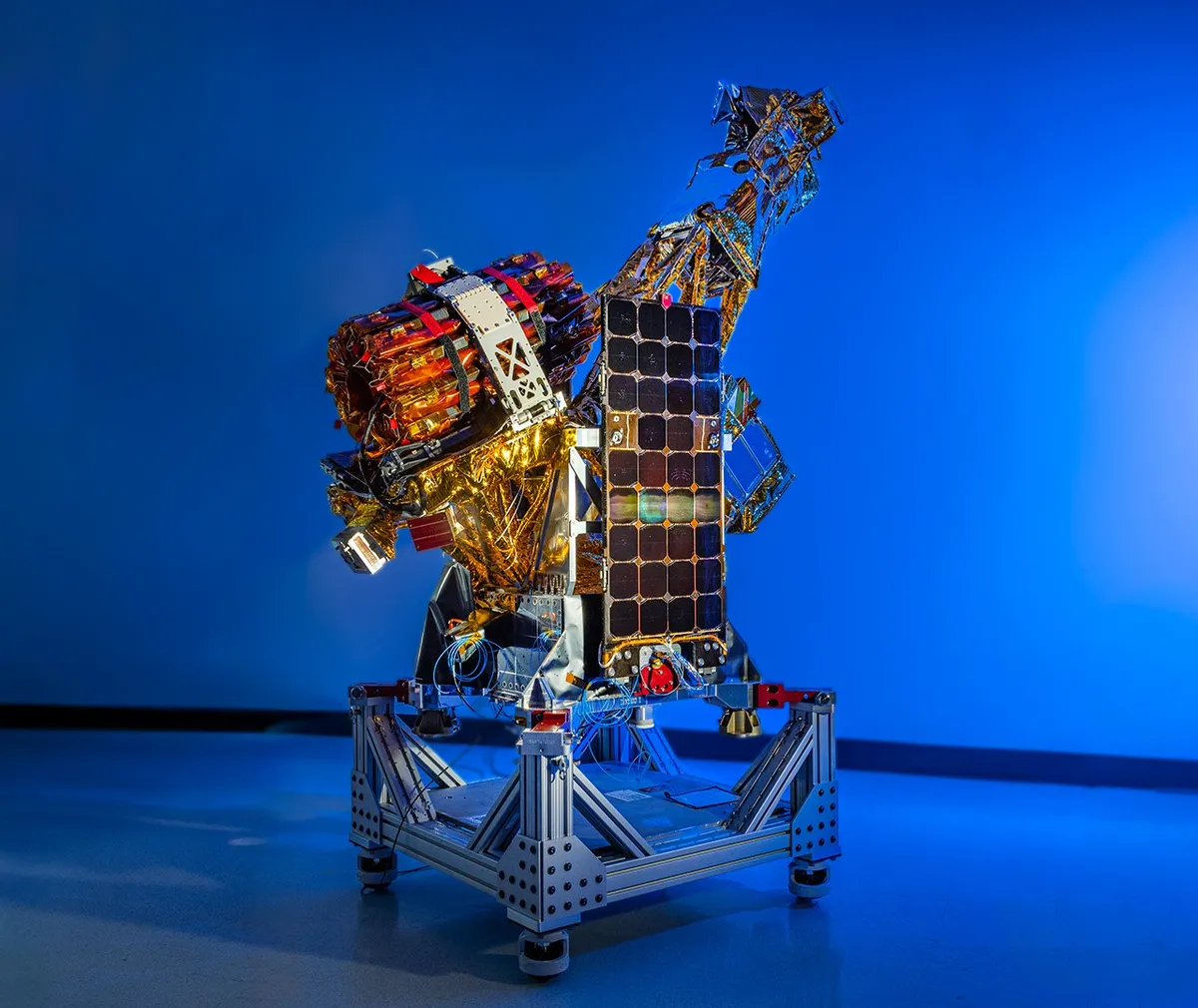
This isn't just about understanding why the sky sometimes looks like a giant lava lamp. When the upper atmosphere gets heated up, it expands. And an expanding atmosphere means more drag on the ever-growing number of satellites in low Earth orbit.
More drag means satellites lose altitude faster and can veer off course. As Nakayama points out, with more and more satellites cluttering our orbital highways, understanding these effects is crucial. These findings could help improve space weather forecasts, making operations safer for all those metal boxes circling above us. Because nobody wants their internet to go out because of a really tall aurora.