Imagine a giant airbag, but for the entire planet. That's essentially the idea behind a radical new proposal to shield Earth from devastating solar storms. We're talking hundreds of tons of gas, released into orbit, all to save our modern, tech-addicted lives.
Because apparently that's where we are now: contemplating a cosmic defense system that sounds like something out of a sci-fi blockbuster. But given how reliant we are on satellites, communication networks, and power grids, a little sci-fi might just be what the doctor ordered.
When the Sun Gets Grumpy
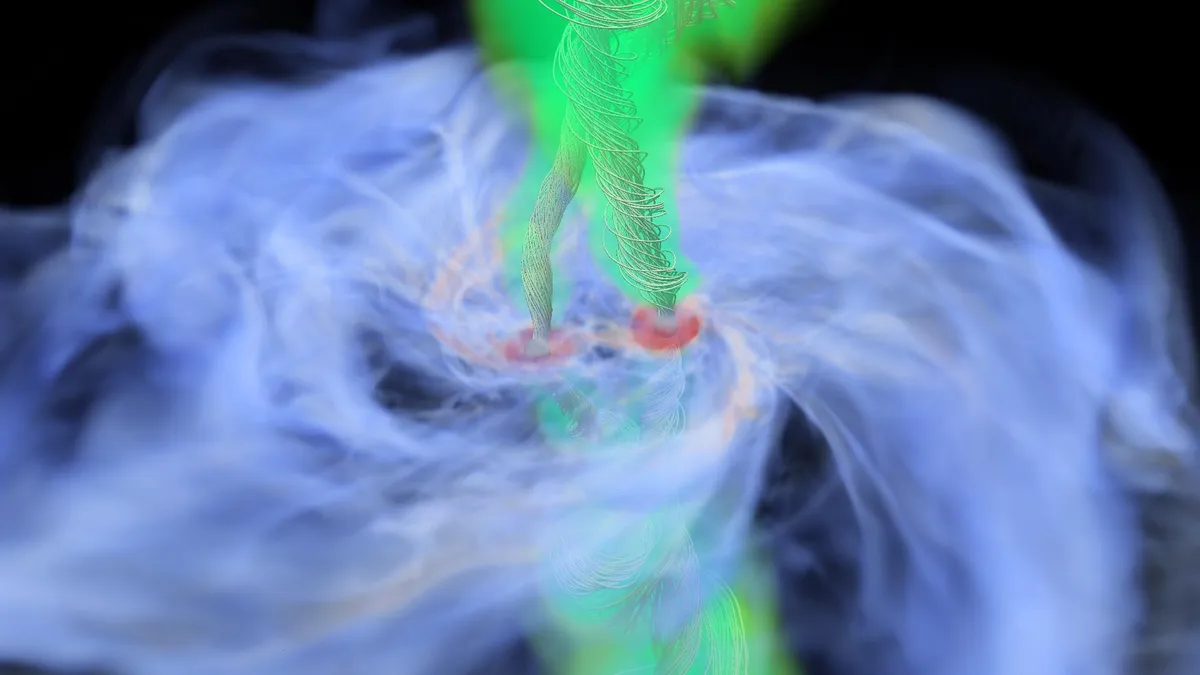
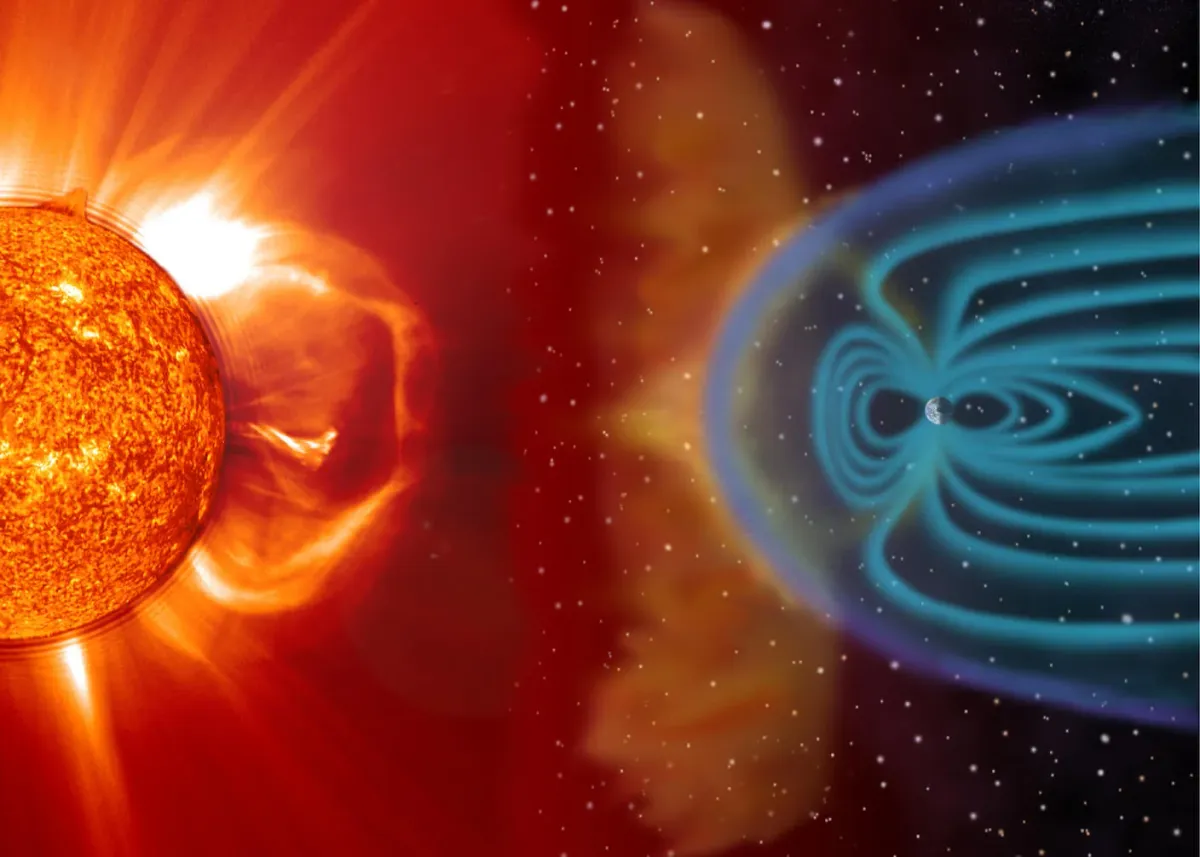
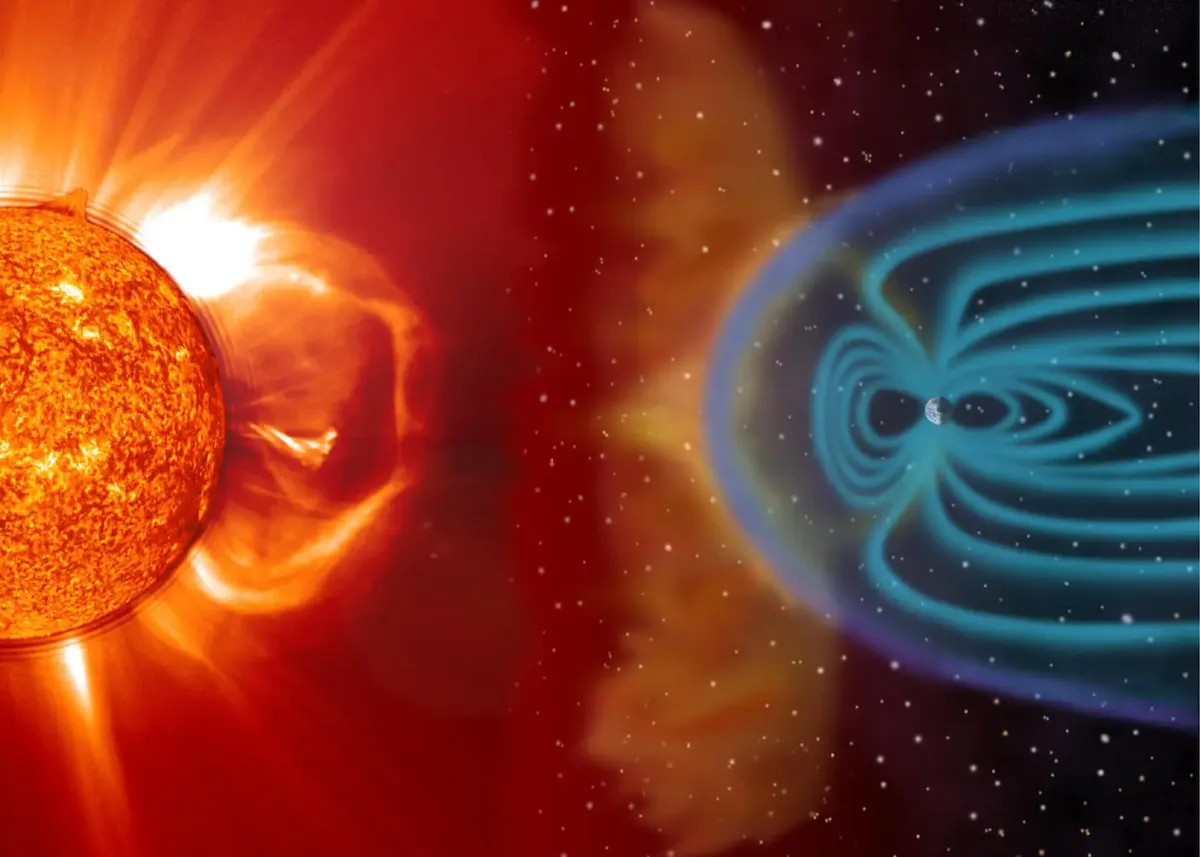
The sun, our life-giving star, is also a bit of a cosmic bully. It constantly hurls radiation, energetic particles, and magnetic fields our way. Most of the time, Earth's magnetic field handles it like a champ, giving us pretty light shows like the aurora borealis.
We're a new kind of news feed.
Regular news is designed to drain you. We're a non-profit built to restore you. Every story we publish is scored for impact, progress, and hope.
Start Your News DetoxBut sometimes, the sun really lets loose. These are geomagnetic storms, and they're not just pretty. They can scramble GPS, silence radio communications, and even fry electrical equipment. Back in 1859, the Carrington Event, the strongest solar storm on record, knocked out telegraph lines across continents. Today? Experts estimate a similar event could cost trillions in damage to power grids alone. Your Netflix binge would be the least of your worries.
The StormWall Solution
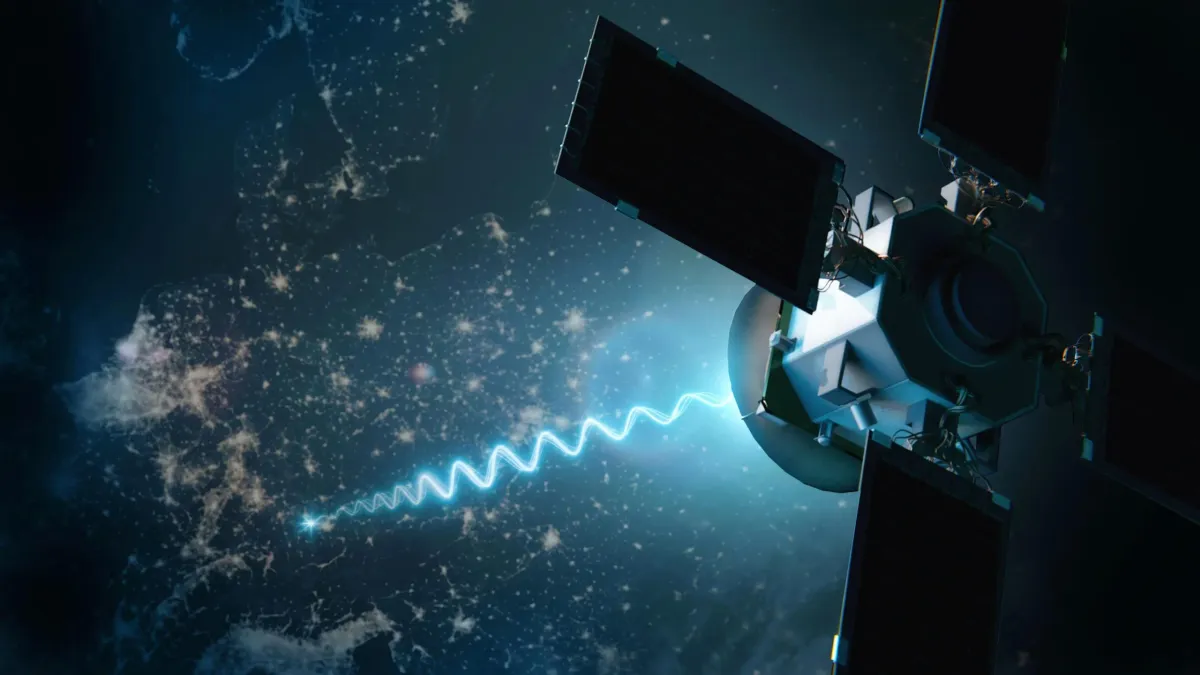
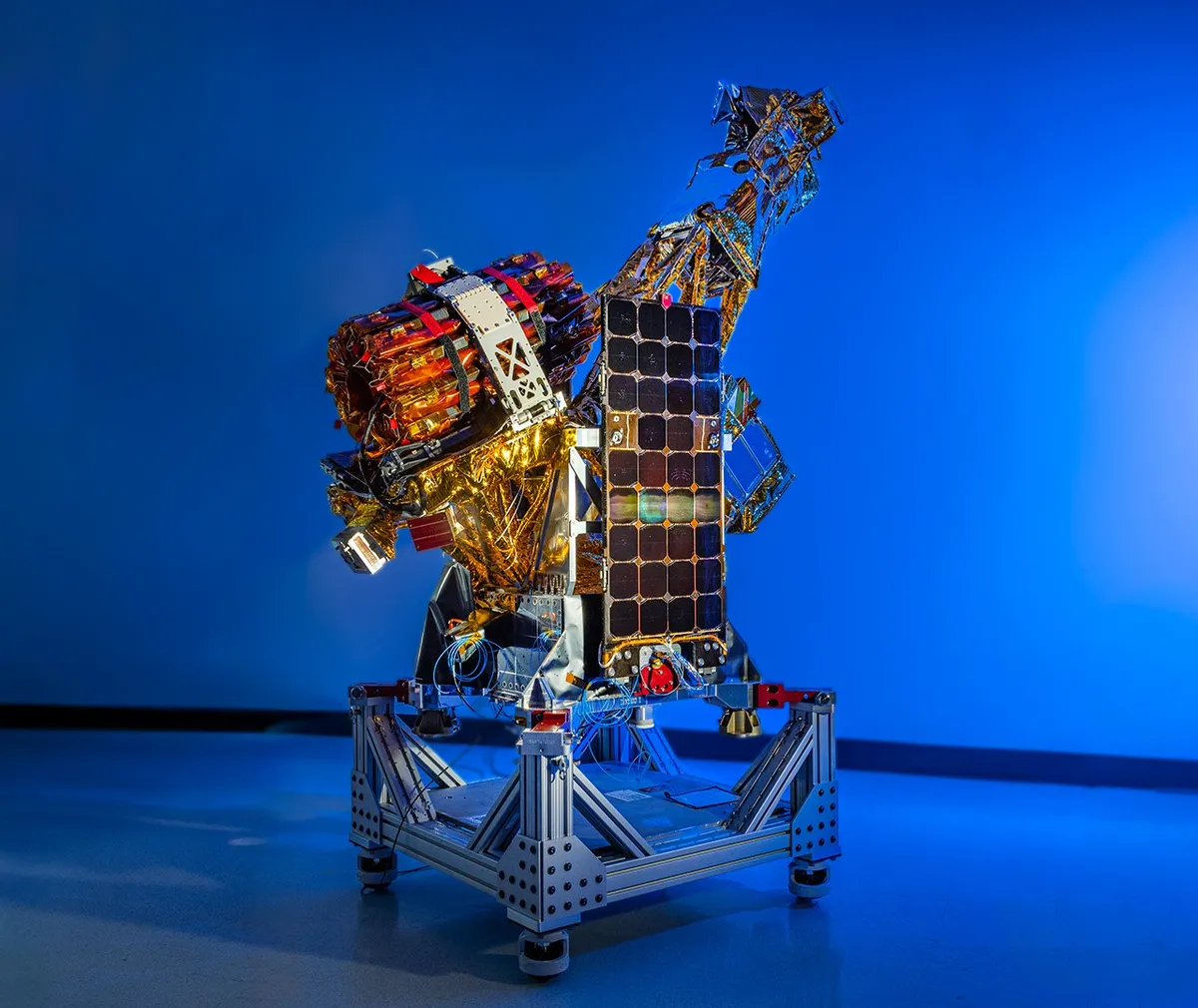
Enter the aptly named StormWall. Researchers at Boston University and the University of Michigan have cooked up a plan to deploy a satellite system that would release massive amounts of gas into orbit. The goal? To effectively soften the blow of an incoming solar storm. Daniel Welling, a space physicist, even called it "an airbag in the magnetosphere." Which, if you think about it, is both impressive and slightly terrifying.
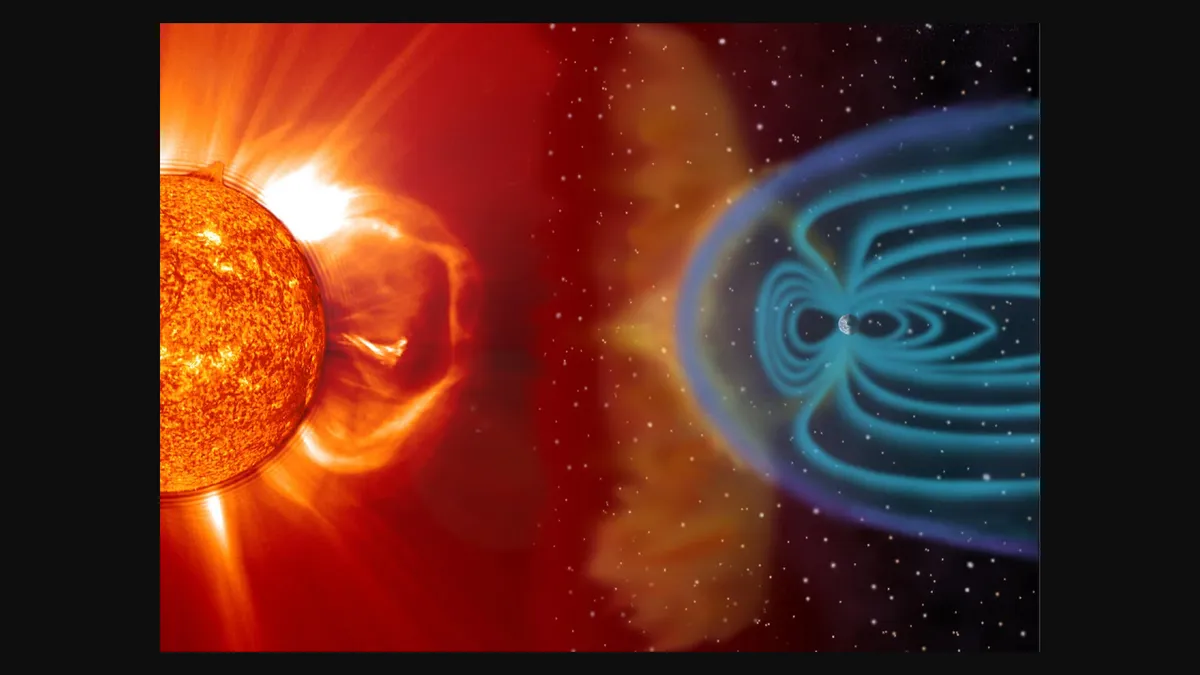
See, solar storms cause chaos by weakening Earth's natural magnetic shield. This allows all that nasty solar energy to pour into our protective bubble. But Earth already has a natural, albeit modest, defense: a doughnut-shaped cloud of ionized gas (plasma) above the atmosphere. When things get disturbed, some of this plasma flows out, slowing down the magnetic reconnection that causes all the trouble.
StormWall would supercharge this process. Satellites, orbiting about 22,000 miles up, would carry canisters of gases like lithium, barium, or sodium. When a big storm approaches, poof! The gases are released, quickly ionized by solar radiation, and essentially create an artificial plasma shield. Simulations suggest about 400 tons of gas could slash a major storm's strength by over 50%. The best part? It's quick and temporary, dissipating just a few hours after doing its job.
The Celestial Logistics
Launching that much material into space isn't exactly a weekend project. But with the advent of new heavy-lift rockets like SpaceX's Starship, researchers believe six launches could deploy the entire system in less than two months. Allison Jaynes, a space physicist not involved in the project, called the idea "highly innovative and quite feasible."

Of course, getting it up there is just one hurdle. We'd also need accurate space weather forecasts (no accidentally deploying the airbag for a drizzle), and international agreement on intentionally altering the near-Earth environment. Plus, there are potential side effects to study, like electromagnetic waves generated by the ionized gas. Still, with a Carrington-level event looming, the benefits of avoiding global devastation might just outweigh the risks. Your move, sun.