
In a move that probably didn't win them any friends in Jerusalem, six countries — the UK, Australia, Canada, France, New Zealand, and Norway — have slapped sanctions on groups funding and carrying out settler violence in the Israeli-occupied West Bank. Because apparently, when violence and illegal expansion tick up, the world starts paying attention.
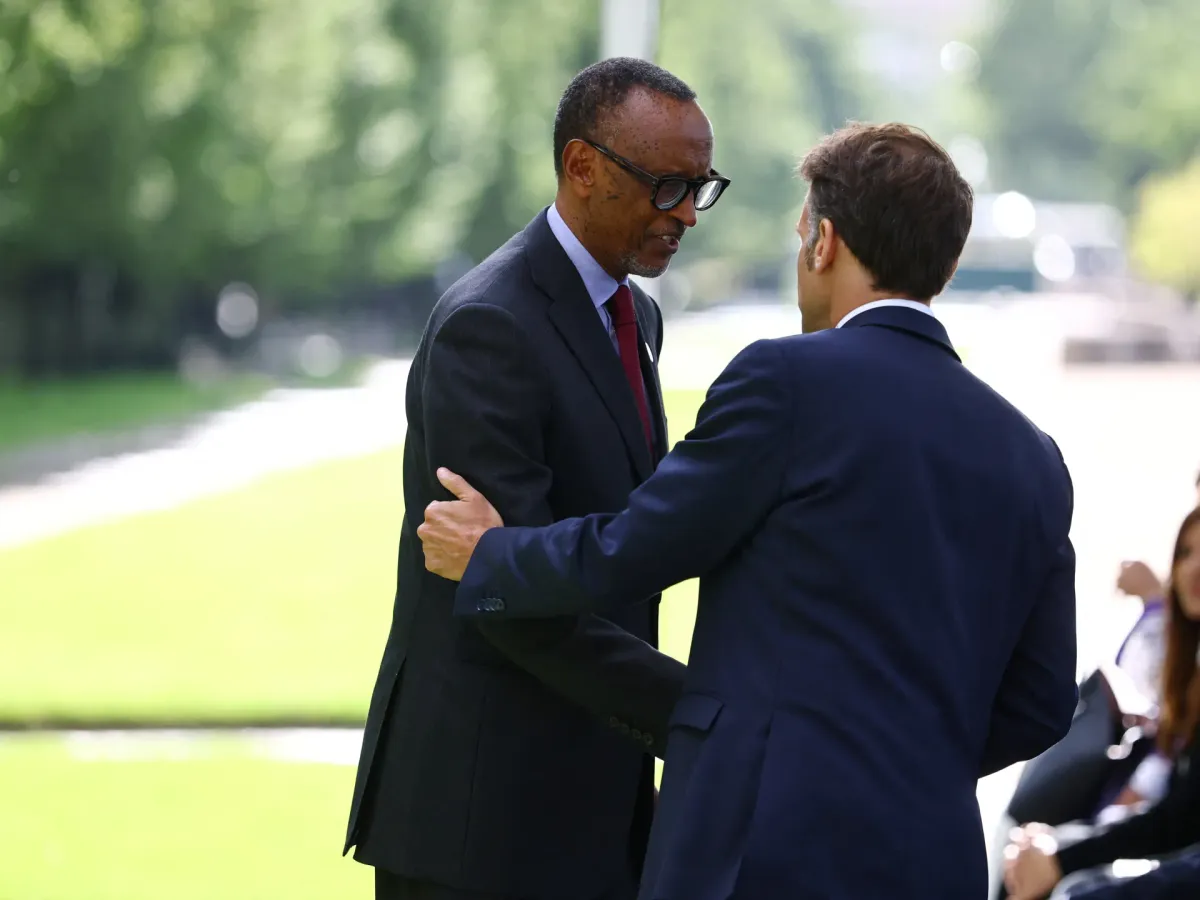
French Foreign Minister Jean-Noel Barrot took to social media to announce the collective action. The message? They're targeting those responsible for "increasing colonization and violence." And just to make it extra clear, France has already barred Israeli Finance Minister Bezalel Smotrich, three settler group leaders, and 21 other settlers from even stepping foot on French soil. Sometimes, a travel ban speaks louder than words.
The coalition isn't stopping there. They've hinted at more measures if Israel doesn't get a handle on the situation. Which, if you think about it, is both a warning and a slightly passive-aggressive nudge.
We're a new kind of news feed.
Regular news is designed to drain you. We're a non-profit built to restore you. Every story we publish is scored for impact, progress, and hope.
Start Your News DetoxIsrael's Take
Israel's foreign ministry was, shall we say, unimpressed. A spokesman called these "disgraceful measures," arguing they're just a thinly veiled attempt to push a political agenda on Jewish settlement rights and the Israeli-Palestinian conflict. Because nothing says "political agenda" like trying to curb violence, apparently.
Meanwhile, the UK government is now telling British businesses and citizens, quite directly, to avoid financial dealings in Israeli settlements in the West Bank. Foreign Secretary Yvette Cooper put it plainly to Parliament: "you should not conduct any economic and financial activities in illegal Israeli settlements." Her reasoning? Violent settler groups shouldn't profit from land taken from Palestinians, and Israel's condemnation of said violence "rings hollow when there is scant accountability."
They also urged Israel to stop expanding settlements, control the violence, punish those responsible, and ease up on the Palestinian economy. Which sounds like a fairly comprehensive to-do list.
"Not Enough," Say Critics
Amnesty International, ever the pragmatist, called the UK's sanctions "a step, but they are not enough." Kristyan Benedict, Amnesty UK’s crisis response manager, suggested that if ministers are serious about accountability, they need to acknowledge that settler violence isn't just a rogue operation; it's "directed and funded from the top." He wants to see sanctions hit higher up the chain, naming Benjamin Netanyahu, Orit Strock, Israel Katz, and former defense minister Yoav Gallant.
Christian Aid, another British charity, went even further, calling it "pathetic merely to ‘advise’ British businesses against activity in illegal Israeli settlements when there are no real consequences." They're advocating for a full ban on all trade and investment with settlements. Because sometimes, a strongly worded suggestion just doesn't cut it.
Israel, for its part, maintains that its troops don't protect settlers during attacks and that any such incidents are isolated and investigated. However, a UN inquiry found that Israeli authorities were directly involved in many settler attacks, often with Israeli forces providing protection. Which, if true, puts a rather different spin on things.
In a broader shift, the UK, under Labour Prime Minister Keir Starmer, has already paused free trade talks with Israel, suspended some arms export licenses, and sanctioned far-right Israeli cabinet members Itamar Ben-Gvir and Smotrich. And last year, they joined allies like France and Canada in recognizing a Palestinian state. It seems the diplomatic winds are shifting, and they're bringing some rather pointed paperwork with them.