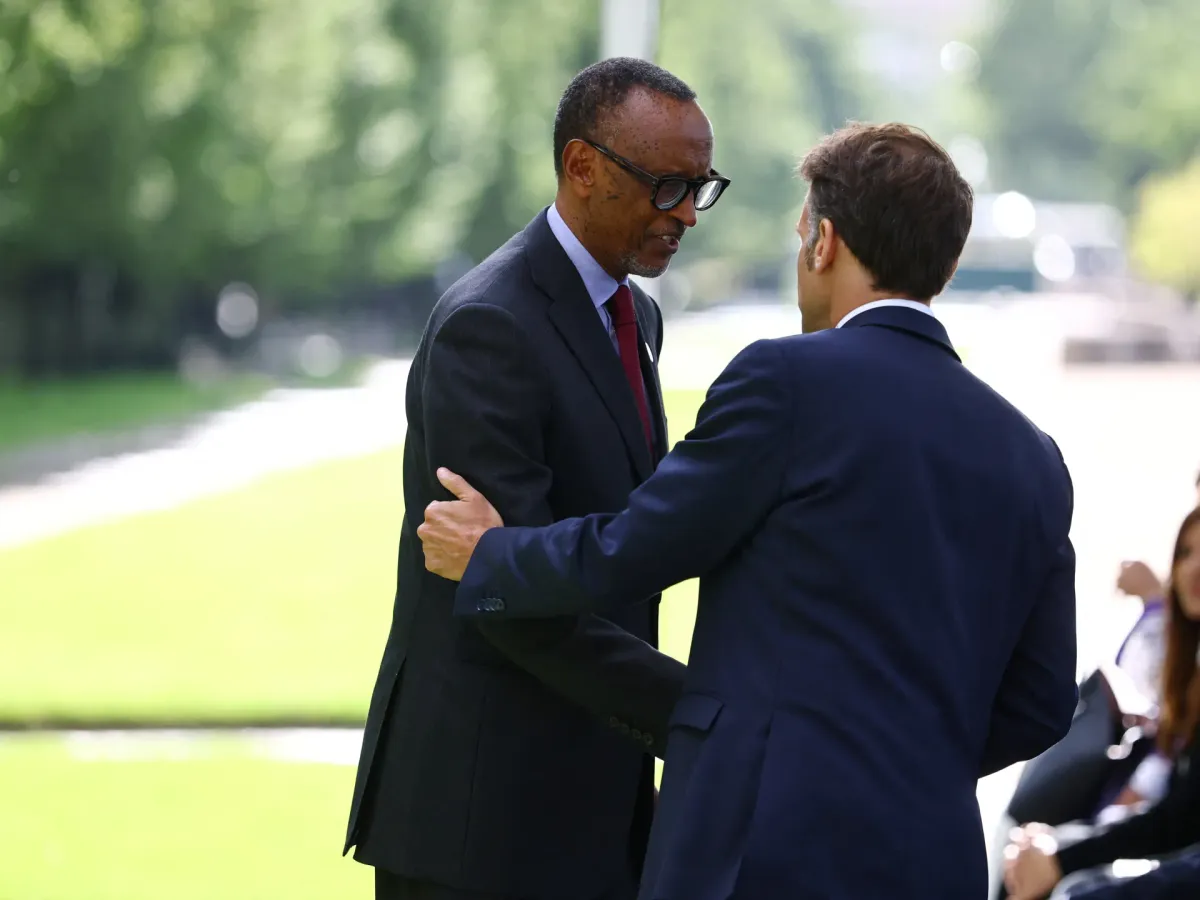
French President Emmanuel Macron has opened a memorial in Paris. It honors the victims of the 1994 Rwandan genocide. This move helps France build stronger ties with Rwanda. It also addresses France's role in the historic tragedy.
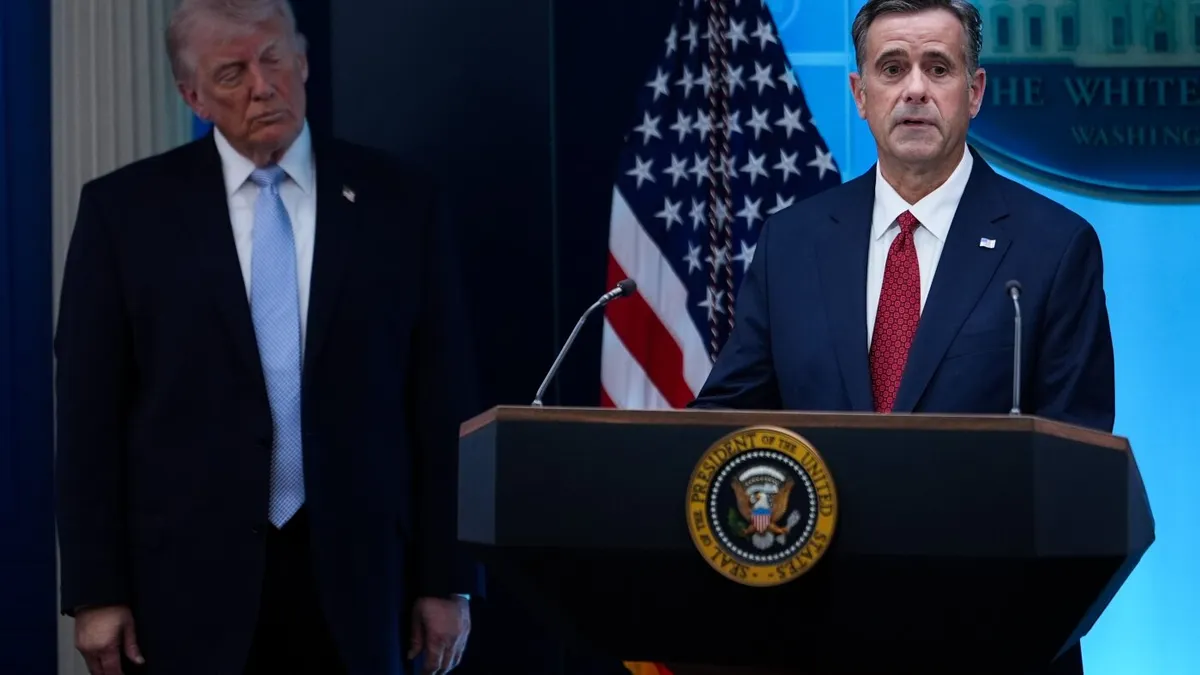
Macron spoke at the inauguration event on Tuesday. Rwandan President Paul Kagame was also there. Macron called the monument a "milestone" in seeking truth.
A New Monument for Reconciliation
Macron said an "unprecedented reconciliation" has happened between Rwanda and France. He noted the monument is an achievement, but not the end. It is a step on a new path.
We're a new kind of news feed.
Regular news is designed to drain you. We're a non-profit built to restore you. Every story we publish is scored for impact, progress, and hope.
Start Your News DetoxThe memorial is called "L’Archive" (The Archive). It has two black brass pillars. These pillars honor the estimated 800,000 people killed. Most were ethnic Tutsis. The killings happened between April and July 1994.
The memorial opened five years after Macron visited Kigali. There, he first admitted France failed to act on warnings of massacres in Rwanda. Macron has said France and its allies lacked the will to stop the genocide. However, he has not issued a formal apology.
Praising French Courage
President Kagame praised France's efforts to accept its responsibility. He thanked Macron for his "courage and humanity."
Kagame said France was not the only country that fell short. Many others did too. But he noted France has gone the furthest in correcting the record. It has accepted its part in the tragedy. Kagame added that facing historical responsibilities takes real courage. This is because it creates strong opposition from those who are accountable.
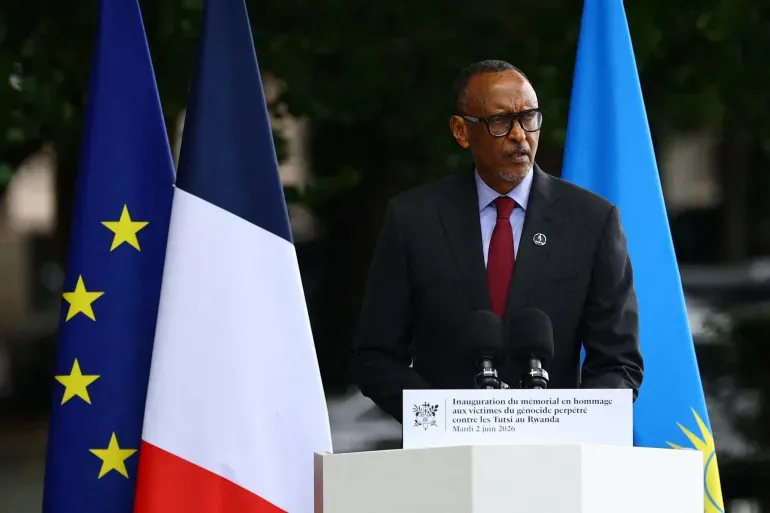
Before the 1994 genocide, France supported Rwanda's Hutu-led government. This caused decades of tension between the two nations. Diplomatic ties were even broken from 2006 to 2009.
In 2021, a commission led by historian Vincent Duclert studied France's role. It found France was "blinded by its colonial attitude." It bore "serious and overwhelming" responsibility for not foreseeing the slaughter. However, the commission found no proof that Paris was directly involved in the killings.
Duclert called the monument's unveiling a "powerful" step. He said the genocide against the Tutsi is now a full part of France’s public history. French courts have also convicted several Rwandans for their roles in the massacre. This is based on the principle of universal jurisdiction for serious crimes. In May, a French court ordered a new investigation. It will look into accusations against the widow of former Rwandan President Juvenal Habyarimana. She has lived in France since 1998.