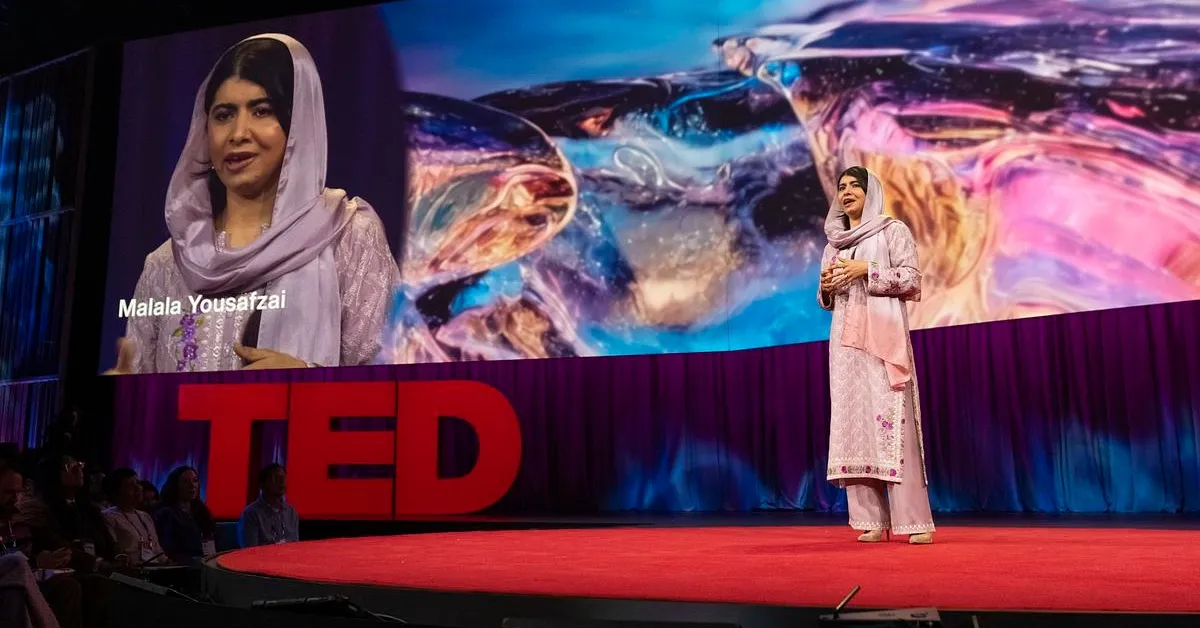
Malala Yousafzai recently gave her first TED Talk. Many know her as the Pakistani activist who was shot by the Taliban at age 15 for speaking out about girls' education.
After surviving the attack, she continued to advocate for education for all children. In 2014, she became the youngest Nobel Peace Prize winner. She then co-founded the Malala Fund, which helps girls get quality education.
Yousafzai graduated from Oxford in 2020. She now supports women's sports, produces feminist films, and even Broadway shows. She once believed change was slow but sure, built on hope and optimism.
We're a new kind of news feed.
Regular news is designed to drain you. We're a non-profit built to restore you. Every story we publish is scored for impact, progress, and hope.
Start Your News DetoxHowever, she shared in her TED Talk that she has often lost hope. This feeling became very strong in 2021.
"In a single day, my belief in progress shattered," she said.
In August 2021, while recovering from surgery, she saw news that the Taliban had taken over Afghanistan.
"I was stunned, shattered, terrified, angry," she recalled. "How could I continue to have faith that things would improve?"
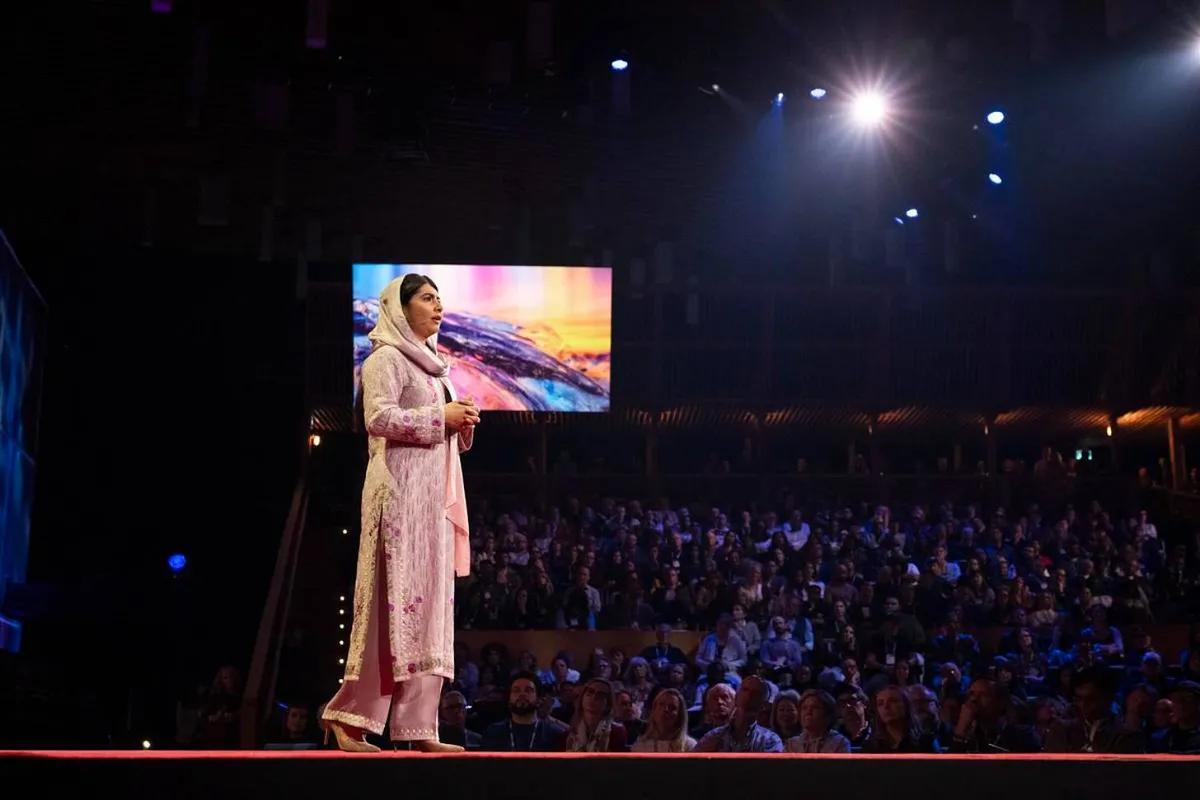
Under Taliban rule, girls cannot attend school past sixth grade. Women are banned from college or working. Speaking in public as a woman is a crime. Earlier this year, the Taliban even made it legal for men to beat their wives, as long as no bones are broken or open wounds left.
Yousafzai called this a "gender apartheid" imposed on millions of women and girls. Her optimism has faded, but she offered three tips to keep fighting for change when hope seems lost.
Malala's Tips for Fighting for Change
Start with Something
Yousafzai emphasized the importance of simply starting. After the Taliban took over Afghanistan, she began by supporting underground schools.
"Afghan girls are not giving up on learning," she said. "They are listening to lessons on the radio, passing cassette tapes and books, and studying in secret."
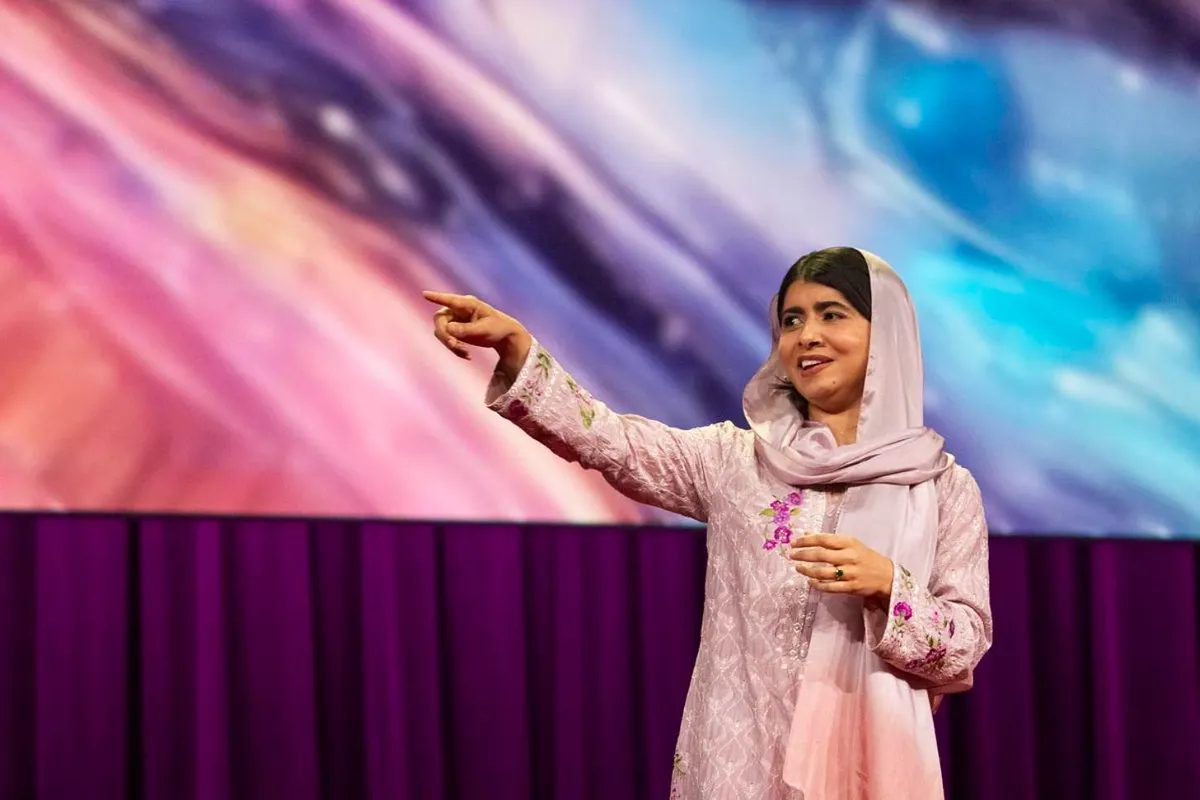
In 2025, the Malala Fund invested $3 million in alternative learning for Afghan girls. One group, Education Bridge for Afghanistan, provides 10,000 girls with online secondary education. Other programs, like Learn Afghan’s virtual Girls’ School, offer similar chances.
A student named Pashtana shared with the Malala Fund that seeing her classmates smile and dream keeps Afghanistan's future alive.
Work with Others
Yousafzai's second tip is to collaborate, even in unexpected places like movie theaters and football fields. She has produced two films. "Bread & Roses," co-produced with Jennifer Lawrence, tells stories of Afghan women fighting the Taliban. "Champions of the Golden Valley" follows Afghan skier Alishah Farhang.
She also supports women athletes. She joined the campaign for the Afghan Women’s National Football Team to compete in exile.
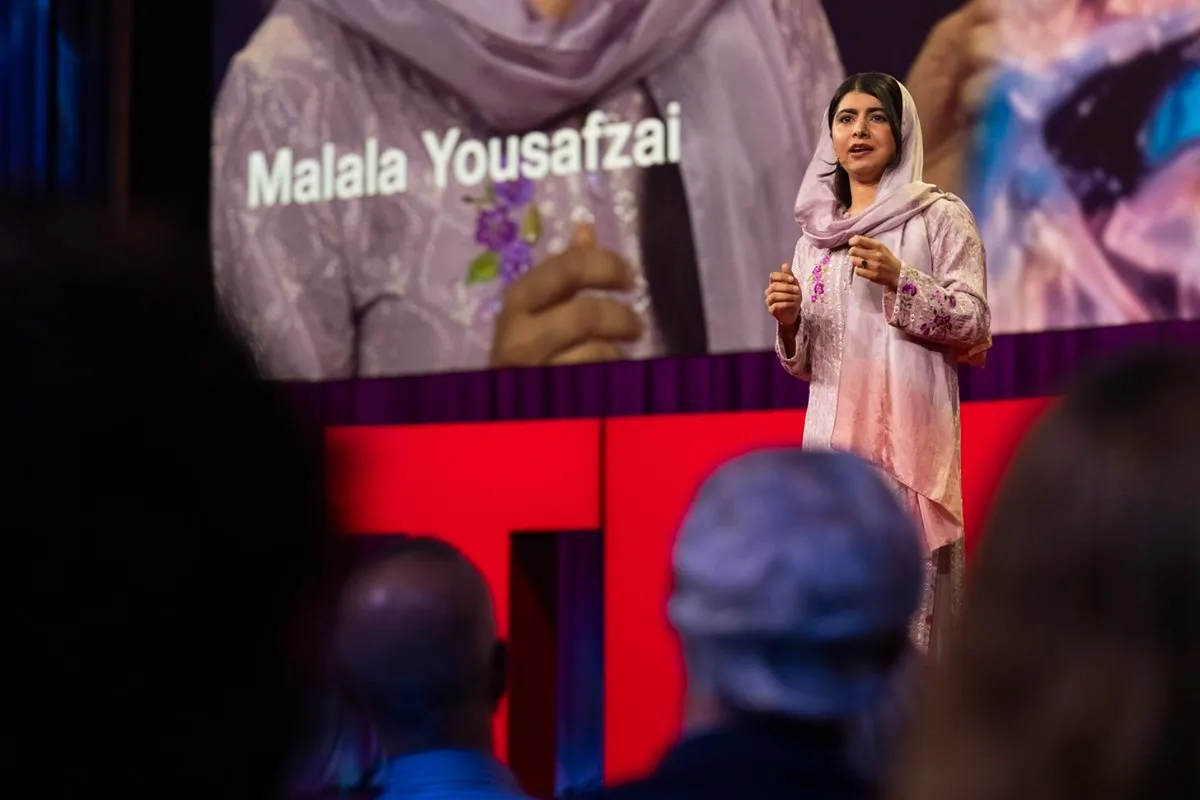
"The Taliban are erasing women from public life," Yousafzai said. "I am here to do the opposite." She takes every chance to show Afghan women speaking, singing, playing sports, and standing up for their rights.
In 2025, she and her husband, Asser Malik, co-founded Recess. This initiative invests in women's sports to promote gender equality. Yousafzai told Olympics.com that she wants to create opportunities for young girls to achieve their dreams.
Stay Ambitious
Yousafzai's final advice is to tackle big problems with big solutions. "The bigger the fight, the bolder you have to be," she noted.
She aims to end "gender apartheid" in Afghanistan. She points out that there are no international laws against gender apartheid. This means no way to hold those responsible accountable.
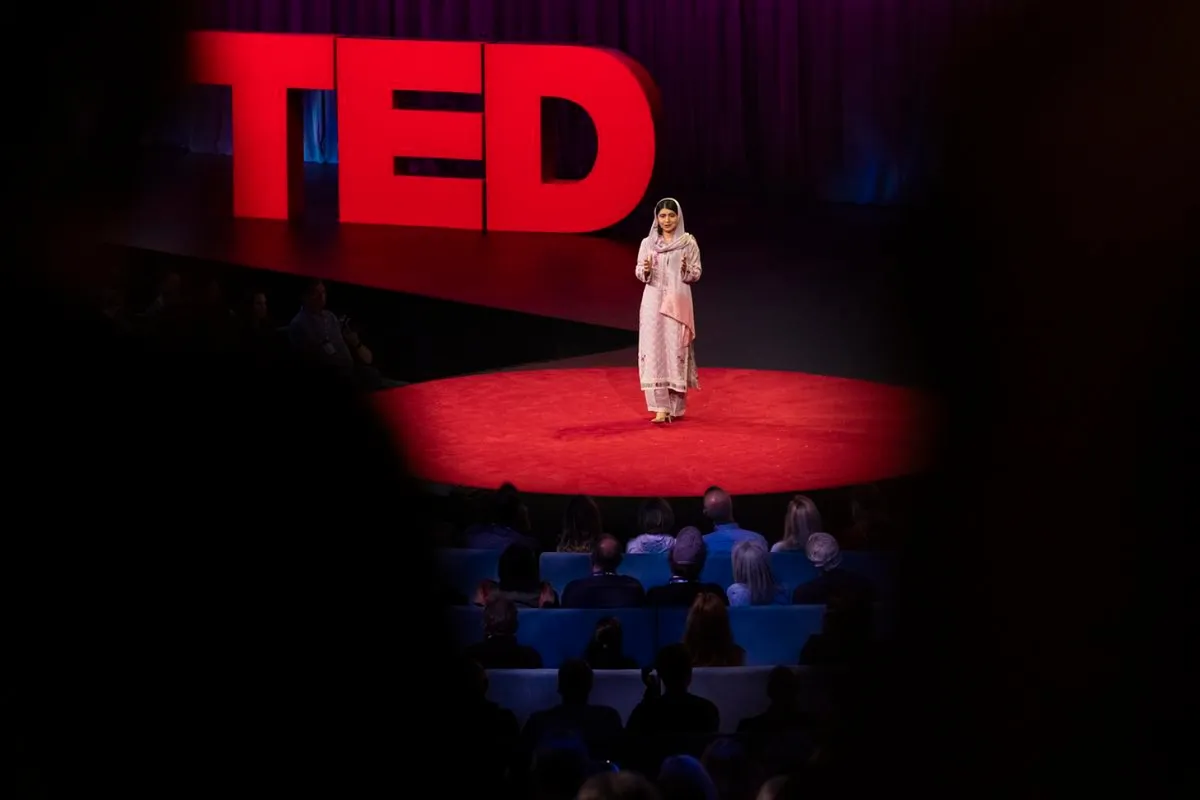
Afghan women are campaigning to add these abuses to the UN's crimes against humanity treaty. Yousafzai spoke at the United Nations General Assembly about this.
"This is not culture. It is not religion," she said in March 2026. "It is a system of segregation and domination — we must call the regime in Afghanistan by its true name: gender apartheid."
Adding gender apartheid to the treaty is a big goal. Yousafzai knows it may take years to see justice. But she will keep fighting so these crimes are not committed against another generation of girls.
This commitment to justice, even when things seem impossible, keeps her going.
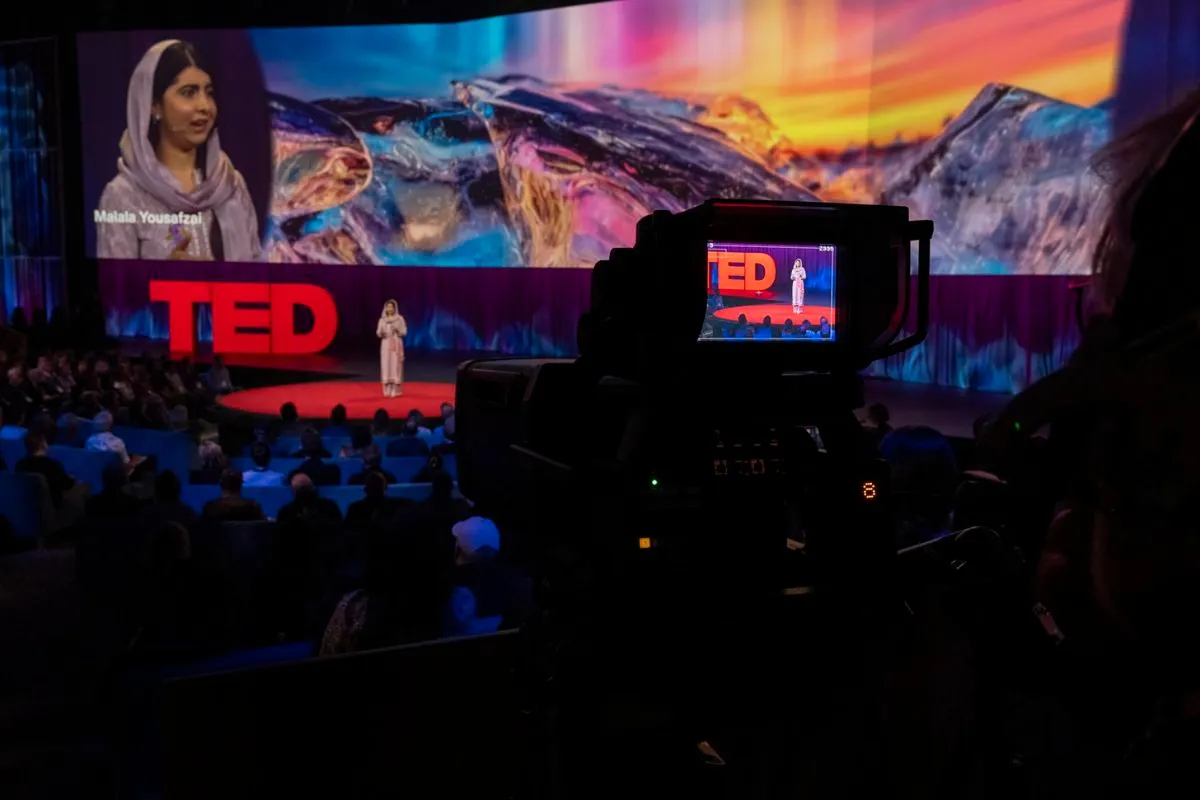
"I don't have all the answers on how to change the world," she concluded. "Progress is never guaranteed. There isn't one speech or one story, one moment, or one person that can bend the arc of history on their own."
"But if we start with something, work together, and stay ambitious, hope stops being a thing we wait to feel and becomes something we create."