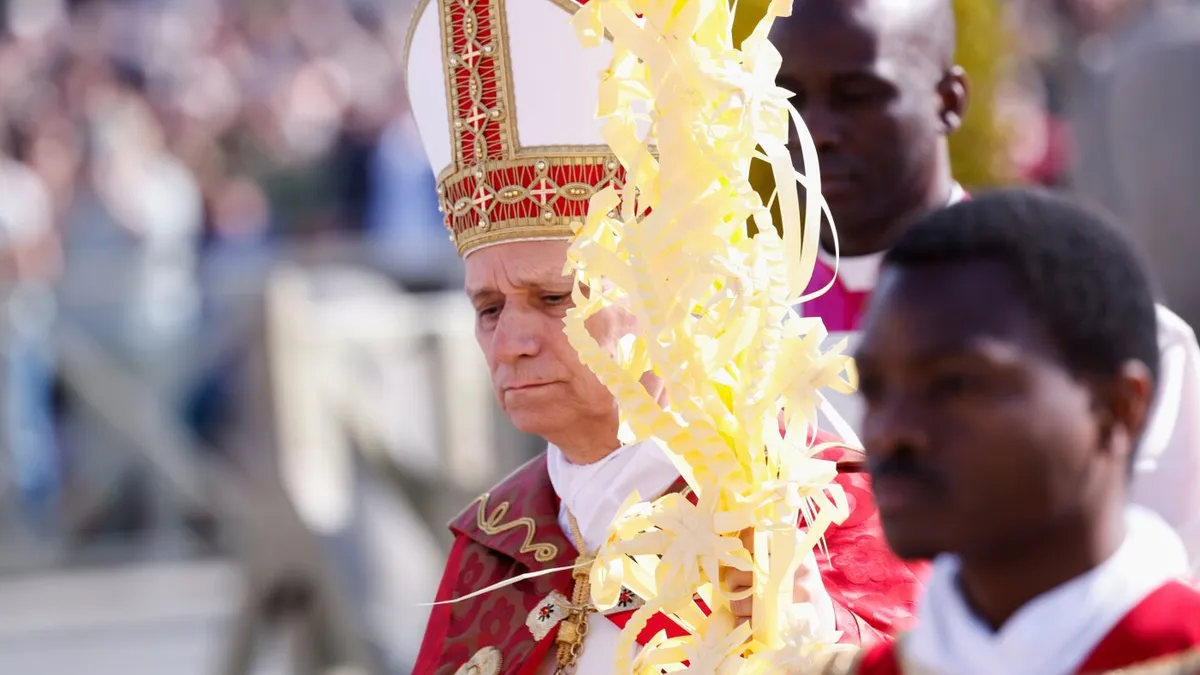
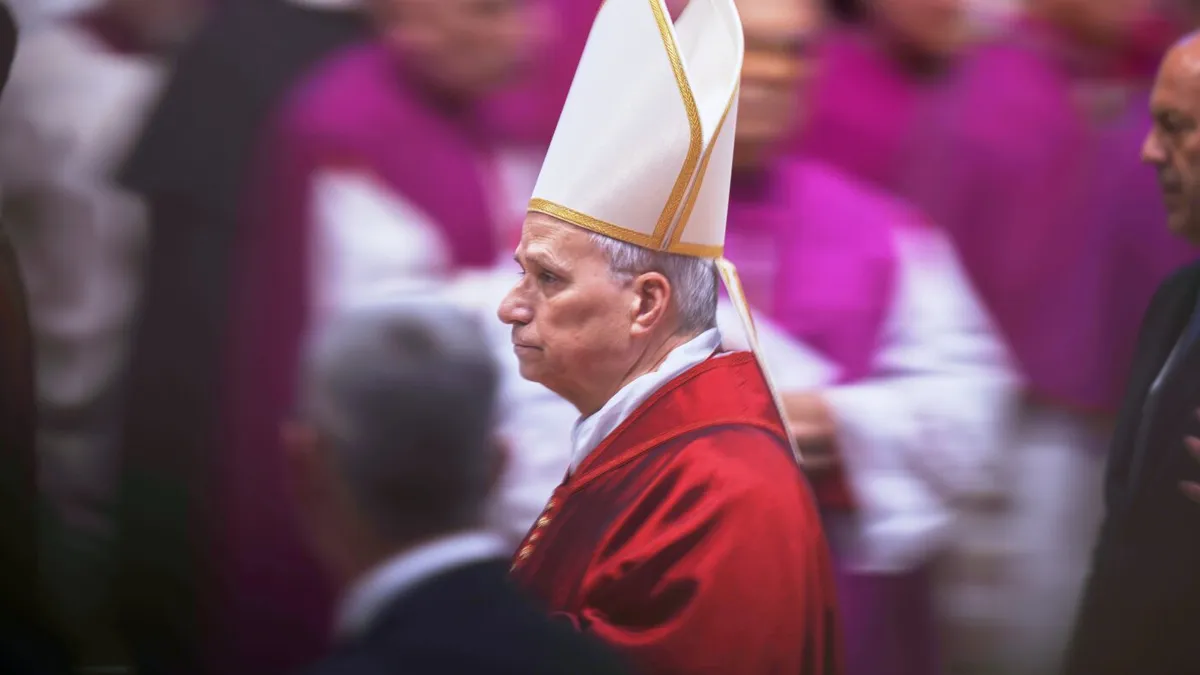
Pope Leo XIV is embarking on an 11-day, four-nation tour of Africa. It’s a journey that sounds less like a papal visit and more like a high-stakes diplomatic mission, tackling everything from resource exploitation to the lingering shadows of colonialism.
He’s got a packed itinerary, hitting themes that are as old as time and as current as yesterday's headlines: religious coexistence, the ethics of resource extraction, human exploitation, corruption (a favorite topic, it seems), and the ever-present issue of migration. Because apparently that’s where we are now.
Algeria: A Personal Stop Amidst History
First up, Algeria. This leg of the trip holds a special significance for Pope Leo, thanks to his deep connection to St. Augustine, who lived and died there. The Pope will visit Annaba, formerly Hippo, where the 5th-century saint served as bishop. A bit of a pilgrimage, if you will, to the roots of his own religious order.
We're a new kind of news feed.
Regular news is designed to drain you. We're a non-profit built to restore you. Every story we publish is scored for impact, progress, and hope.
Start Your News DetoxBeyond personal history, Algeria brings up some heavy themes: migration and the always-tricky dance of peaceful coexistence between Christians and Muslims. Algeria, a former French colony with a Sunni Muslim majority, sits on the Mediterranean, making it a frontline for migration. Pope Leo will honor those who perished trying to reach Europe – a stark reminder of the human cost of borders. He's also stopping at the Great Mosque in Algiers, which is quite the statement.
It’s worth noting that Algeria recently declared France’s colonization a crime, actively seeking the return of property taken during 130 years of French rule. Because some historical wrongs just don't go away quietly.
Cameroon: Peace Meetings and Resource Woes
Next, Cameroon, where Pope Leo is slated to lead a “peace meeting” in Bamenda. The guest list is impressively diverse: a traditional chief, a Presbyterian moderator, an imam, and a Catholic nun. This isn’t just for show. Cameroon’s western regions have been gripped by conflict since 2017, with English-speaking separatists battling the French-speaking majority. Over 6,000 lives lost, 600,000 displaced. Let that number sink in.
And if that weren’t enough, Boko Haram militants from Nigeria are also wreaking havoc in the north. It's a country caught between multiple fires.
Then there’s the resource question. Cameroon is sitting on a treasure trove of oil, natural gas, cobalt, gold, diamonds – you name it. Extraction accounts for nearly a third of its exports. Yet, human rights groups and the local Catholic Church point out that the money rarely trickles down to the communities living near these mining sites. Instead, foreign companies and a small national elite seem to be having all the fun.
Last year, UN experts flagged serious human rights and environmental damage from mercury use in eastern Cameroon's gold mining. And UNICEF reported that the gold rush has pulled hundreds of children out of school, sending them into dangerous makeshift mines. Because nothing says progress like children risking their lives for black-market ore.
Angola: Oil, Diamonds, and Lingering Scars
Angola, where 58% of the population identifies as Catholic, will see Pope Leo pray at the Sanctuary of Mama Muxima – a major pilgrimage site with a dark past. Built by the Portuguese in the 16th century, it became a key hub in the transatlantic slave trade, where enslaved people were baptized before being shipped to the Americas. A poignant reminder of history’s deep wounds.
Today, Angola is Africa’s fourth-largest oil producer and a global diamond powerhouse. Yet, in 2023, the World Bank estimated that over 30% of its population lived on less than $2.15 a day. Resource wealth, meet extreme poverty. It’s an old story, but no less tragic.
Angola’s independence from Portugal in 1975 was immediately followed by a devastating 27-year civil war, claiming over half a million lives. The Vatican says Pope Leo will offer a message of hope and healing to the country’s youth. Because sometimes, hope is all you have left.
Equatorial Guinea: The Petrostate Paradox
Finally, Equatorial Guinea. The discovery of offshore oil in the mid-1990s shot its economy sky-high, with oil now making up almost half its GDP. Yet, more than half the population still lives in poverty. You know, just a casual paradox.
This former Spanish colony is led by Africa’s longest-serving president, Teodoro Obiang Nguema Mbasogo, who’s been in power since 1979. Accusations of widespread corruption and authoritarianism are, shall we say, plentiful. Human Rights Watch and others have meticulously documented how oil revenues have enriched the ruling Obiang family, leaving 70% of the population in poverty.
And, naturally, the government faces accusations of harassing, arresting, and intimidating anyone who dares to disagree. Vatican spokesman Matteo Bruni confirmed that Pope Leo will directly address corruption and the proper role of governing authorities during his visit. Because if anyone can tell a dictator how to govern, it's the Pope. Which, if you think about it, is both impressive and slightly terrifying.