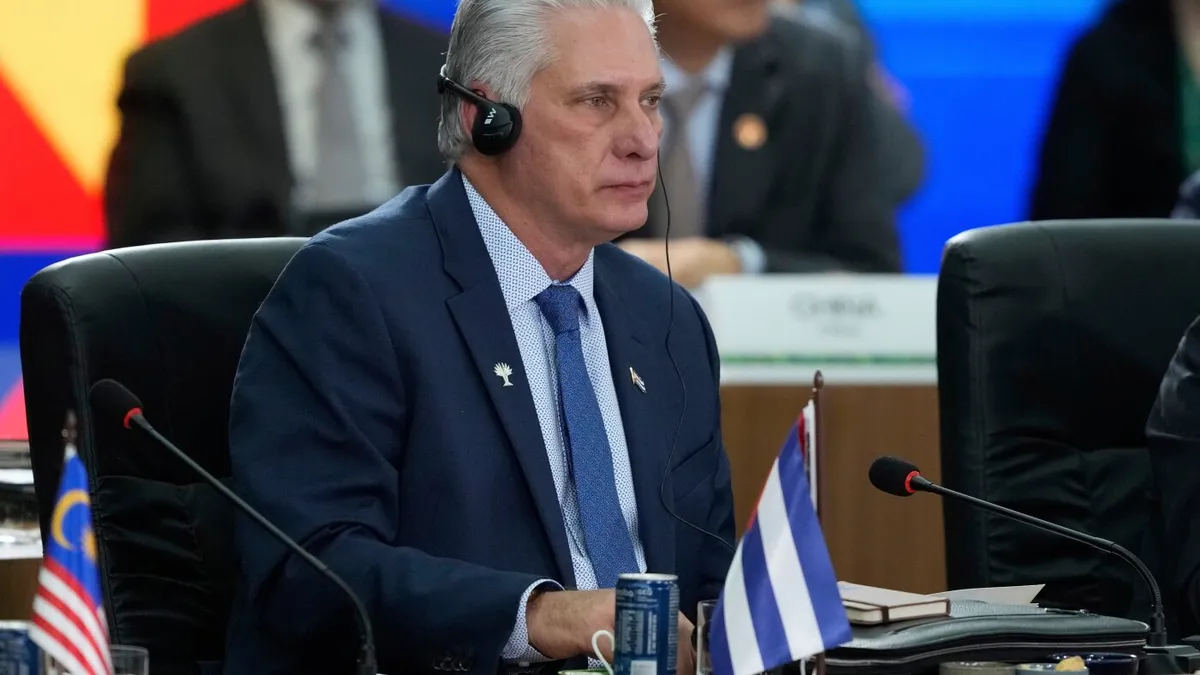
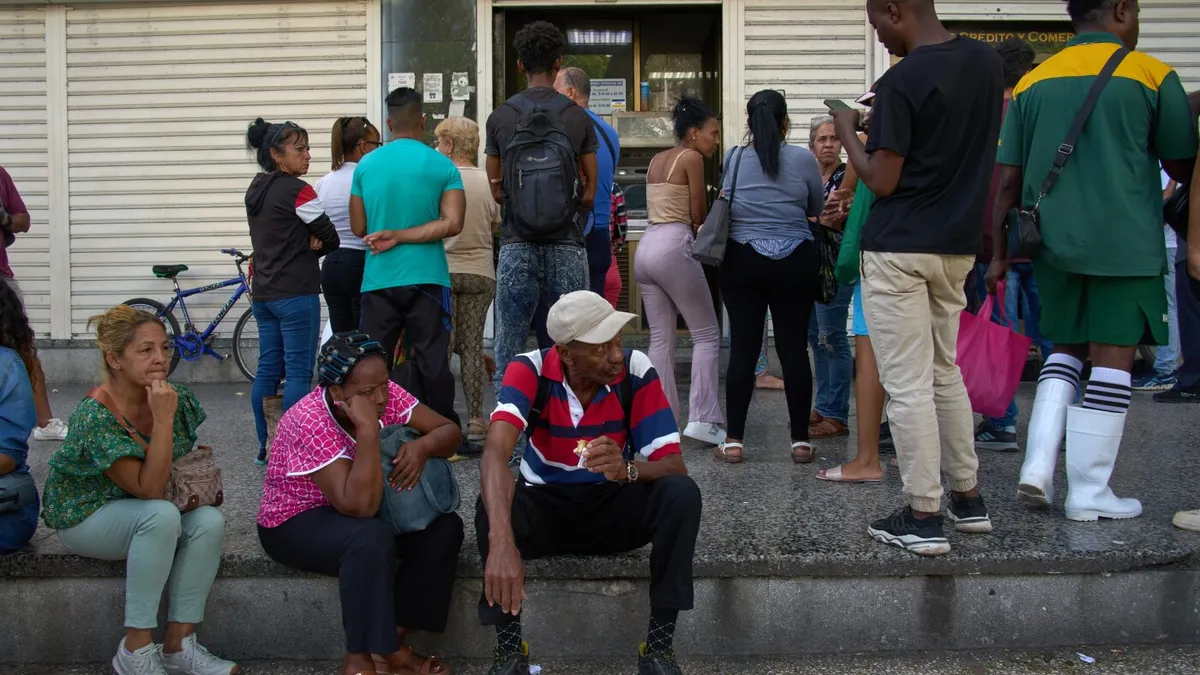
Cuba announced it's releasing 2,010 prisoners. On one hand, it's a "humanitarian gesture" tied to Holy Week, according to the Cuban government. On the other, it comes just as the U.S. has been applying significant pressure, including an oil blockade that's causing blackouts and general hardship across the island.
The pardons include both Cuban and foreign nationals, with women, the elderly, and younger inmates among them. Details on release dates, specific crimes, or conditions were, predictably, scarce. Authorities also didn't specify if any of the pardoned individuals were the protesters convicted of things like "terrorism," "contempt," or "public disorder" — charges often seen by activist groups as politically motivated.
Cuba's government maintains it holds no political prisoners. Meanwhile, the activist group Prisoners Defended reported 1,214 people imprisoned for political reasons as of February. Let that number sink in.
We're a new kind of news feed.
Regular news is designed to drain you. We're a non-profit built to restore you. Every story we publish is scored for impact, progress, and hope.
Start Your News DetoxState media published a statement from Cuban authorities, explaining the decision was based on "careful analysis" of crimes committed, good behavior, time served, and health status. Which, if you think about it, sounds like how most pardons should work. The timing, however, is what raises an eyebrow.
A History of Well-Timed Releases
This isn't Cuba's first rodeo. The nation has a rather consistent track record of releasing prisoners during significant moments. Last January, for instance, 553 prisoners were freed during talks with the Vatican, just a day after the Biden administration signaled it would remove Cuba from the list of state sponsors of terrorism. Coincidence? Perhaps. Last month, another 51 were released, also framed as a goodwill gesture linked to the Vatican.
Thursday's announcement marks the fifth prisoner release since 2011, bringing the total number of freed individuals to over 11,000. It also follows months of U.S. efforts to push for changes in Venezuela, including the release of political prisoners there. Because apparently that's where we are now: international pressure campaigns occasionally result in thousands of people getting an unexpected second chance. Which, if you're one of those 2,010, is probably all that matters.