In August 2025, Florida Governor Ron DeSantis ordered the removal of about 400 "non-standard" pieces of street art. Most of these were rainbow, Pride-themed crosswalks and murals. This happened even though they had state approval when first installed.
The new policy became clear when the DeSantis administration painted over a rainbow crosswalk. This crosswalk was outside Orlando's Pulse nightclub, where 49 people died in a 2016 shooting.
Community members responded by repainting the tribute themselves at night. Nearby business owners and other Florida cities also protested. They displayed rainbow Pride colors in other creative ways.
We're a new kind of news feed.
Regular news is designed to drain you. We're a non-profit built to restore you. Every story we publish is scored for impact, progress, and hope.
Start Your News DetoxA Fence Protest in Key West
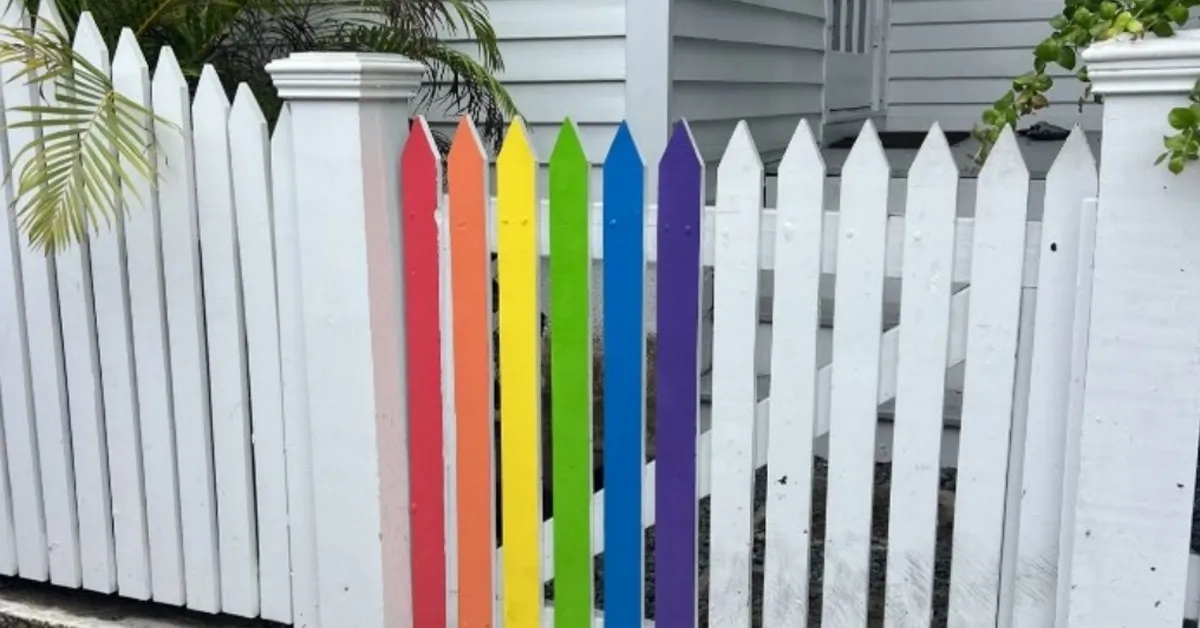
Nicole "Coley" Sohn and her wife, Linda Bagley-Sohn, showed their support for the LGBTQ+ community on their own property. They painted 12 pickets of their white fence in rainbow colors. They did this after Key West followed Gov. DeSantis's order.
Their protest inspired other neighbors to do the same. The American Civil Liberties Union (ACLU) of Florida reported that over 50 rainbow picket fences were painted in Key West's Old Town after crosswalks were removed.
However, some people complained to the city about the protest's message. The city then cited the Bagley-Sohns and other homeowners. They were told their fences violated regulations requiring all fences in Key West's historic district to be white.
The city ordered the couple to repaint their fence white or face fines. The Bagley-Sohn family removed their rainbow display to avoid fines, as did many other residents.
Lawsuit Against Selective Enforcement
The ACLU of Florida believes this censorship is unfair. They noted that the city enforced regulations against rainbow pickets but did not cite other noncompliant households for similar fence-color violations.
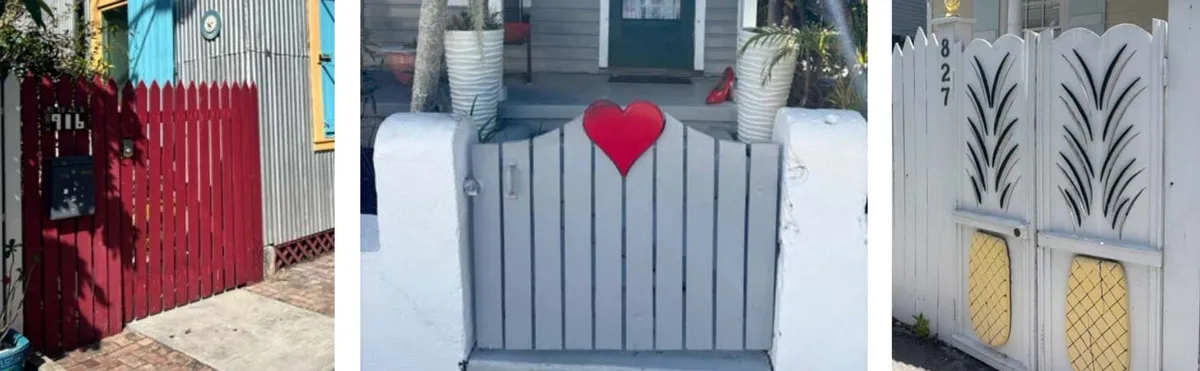 Three examples of other fences in the area that did not comply with the HARC's guidelines. Photo courtesy of United States District Court for the Southern District of Florida
The lawsuit includes photos of other fences and exterior structures that do not follow the Key West Historic Architectural Review Commission guidelines. These guidelines were enforced on the rainbow displays.
The suit argues that the only fence and gate color violations the city has cited recently were the rainbow displays of the plaintiffs and their co-protestors. Nicholas Warren, an ACLU of Florida attorney, called this "selective enforcement" and said it is illegal.
Warren told The Palm Beach Post that if the government enforces the law, it cannot single out certain expressions or messages while ignoring others.
With the help of the local ACLU chapter, the couple filed a lawsuit, Sohn v. City of Key West, in the United States District Court of the Southern District of Florida.
Coley Sohn stated that they painted their fence in rainbow colors to protest the city's removal of rainbow crosswalks. This showed that their community still stands for inclusion. She added that no one should lose their right to speak out because those in power disagree with the message. The government cannot single out some views over others when enforcing laws, which is protected by the First Amendment.
Samantha Past, an ACLU of Florida staff attorney, said the forced removal of rainbow crosswalks and Pride art shows a threat to free expression. She noted that allowing anti-LGBTQ+ rhetoric to become censorship is an act of state overreach. Past praised the Bagley-Sohn family for bravely protesting the state's attempt to erase LGBTQ+ identities and exercising their First Amendment rights.