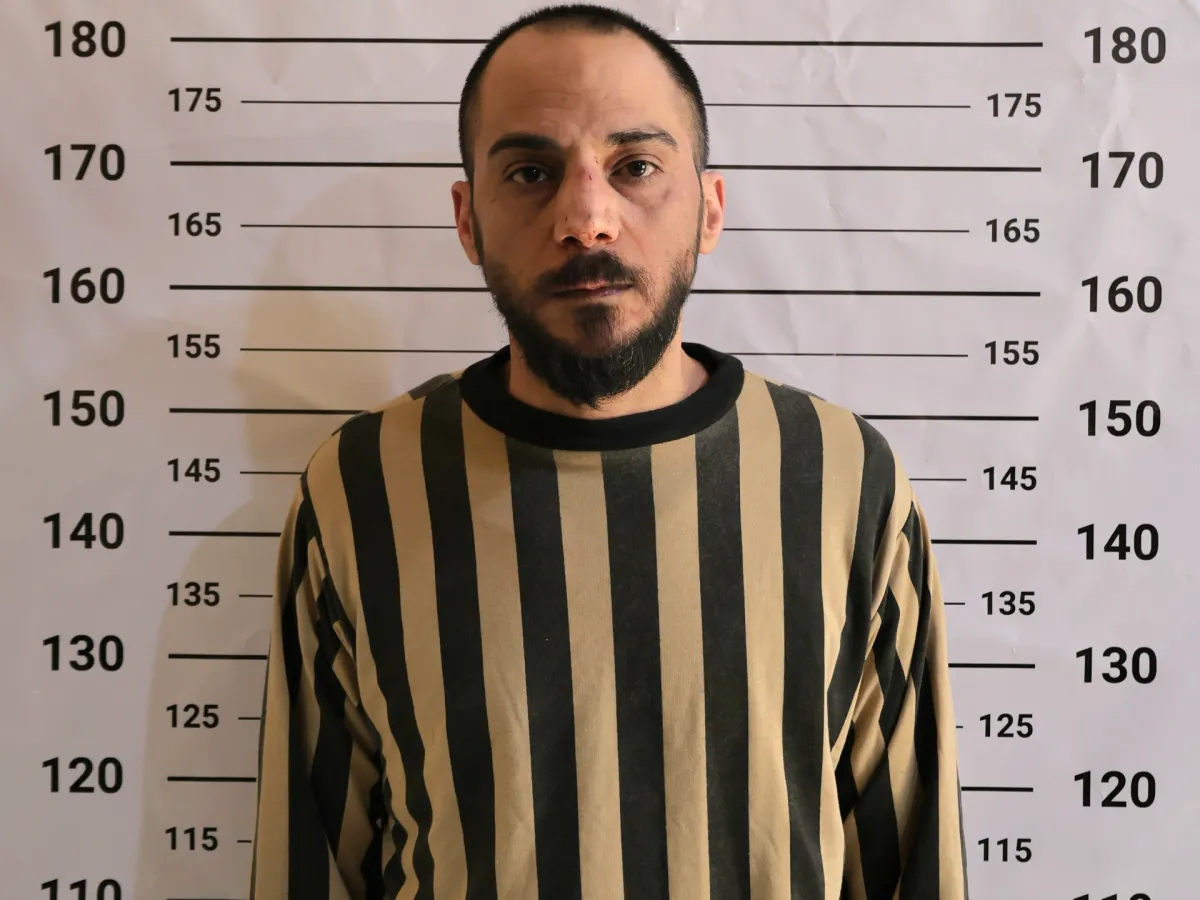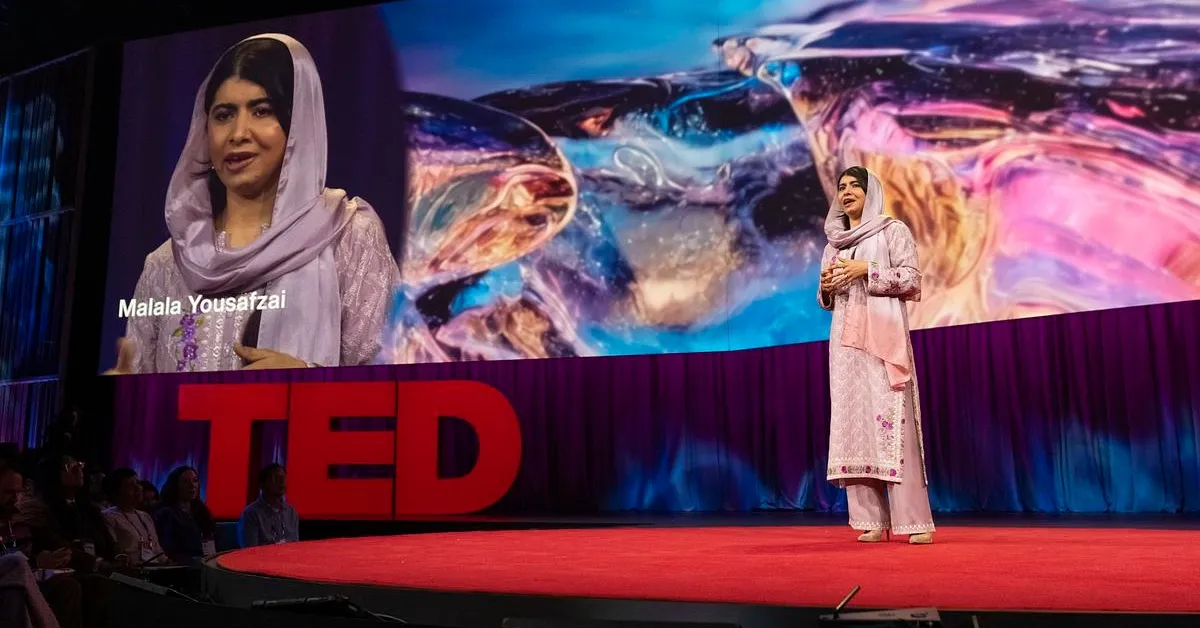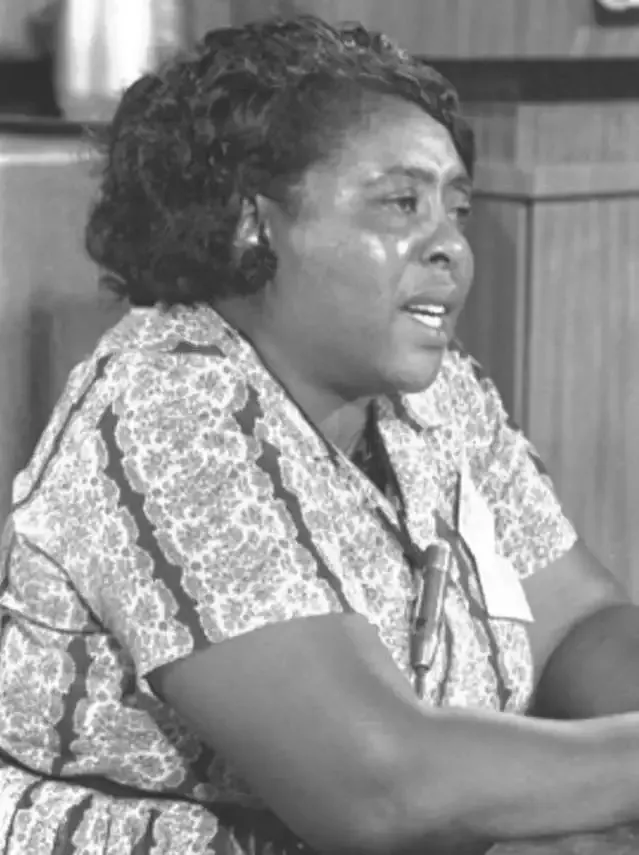
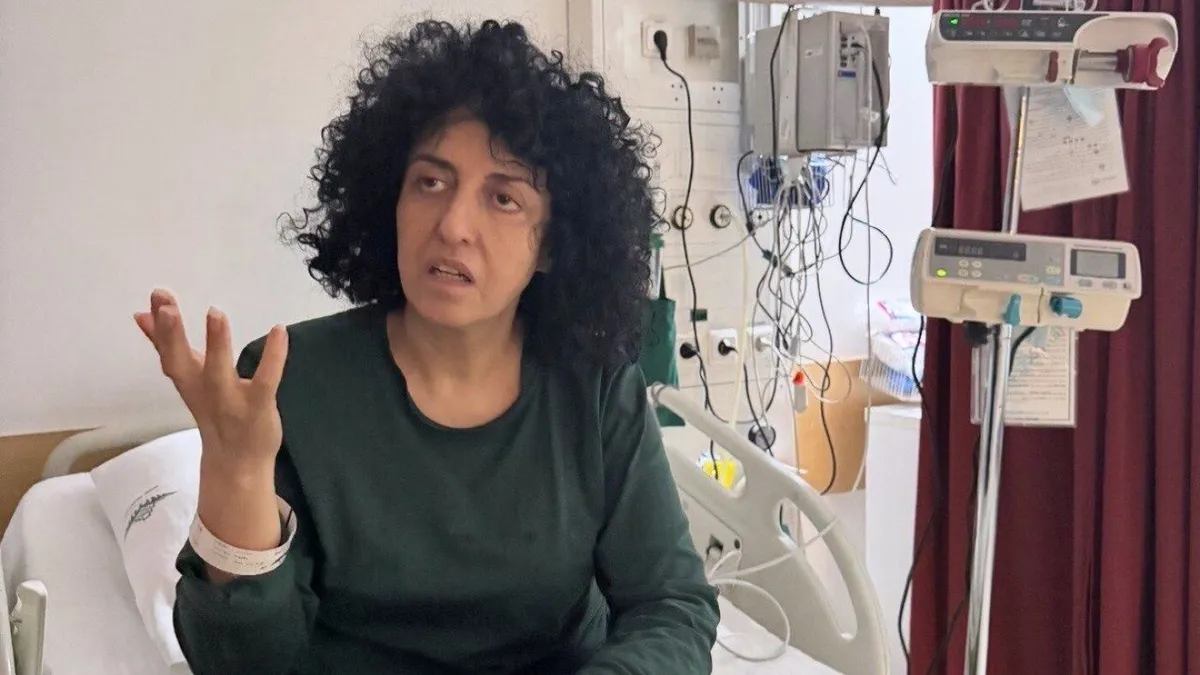
Nobel Peace Prize winner Narges Mohammadi, an Iranian activist, has finally been transferred to a hospital in Tehran. This move comes over a week after she collapsed in prison, sparking urgent calls for her medical treatment. Her foundation confirmed the news, adding a surprising detail: her prison sentence has been temporarily suspended on bail, though for how long, no one's saying.
Mohammadi, 53, has been held in Zanjan prison since December. She'd lost consciousness twice before being rushed to a local hospital on May 1. Her family and advocates had been pleading for her transfer for days, citing a critical health situation. Because, apparently, a Nobel laureate's health isn't always a top priority.
Not a Vacation, Just a Hospital Stay
While the temporary suspension offers a brief reprieve, her foundation isn't exactly popping champagne. They've made it clear this isn't enough, emphasizing that Mohammadi needs "permanent, specialized care." And, critically, she shouldn't be returning to prison, where she still faces 18 years.
We're a new kind of news feed.
Regular news is designed to drain you. We're a non-profit built to restore you. Every story we publish is scored for impact, progress, and hope.
Start Your News DetoxHer lawyer in Iran, Mostafa Nili, confirmed on social media that the transfer order followed a ruling from the Legal Medicine Organization. This government medical examiner group, in a rare moment of clarity, determined that Mohammadi suffers from multiple illnesses and requires treatment outside prison, under the care of her own medical team. Iranian authorities, predictably, have remained silent.
Mohammadi's brother, Hamidreza, based in Oslo, Norway, shared his relief. He had previously revealed that medical examiners had recommended a transfer to Tehran, but Iran's intelligence agency, ever the helpful sort, blocked it. "I'm relieved now. I can breathe lightly," he messaged.
Her health in prison has been a serious concern. Reports indicate she was beaten during her arrest and suffered a heart attack in March. Prior to her current imprisonment, she had a blood clot in her lung, necessitating blood thinners and constant monitoring. After her initial transfer to a cardiac unit, her blood pressure was described as wildly unstable, and she needed oxygen just to breathe. The Nobel committee had previously urged Iran to act, stating that "without such treatment, her life remains at risk." Which, if you think about it, is a pretty stark way to say, 'please don't let her die in prison.'