Imagine being deported to a country that doesn't want you, can't treat your medical conditions, and then locks you in a hotel. That's the absurd reality a Colombian woman faced until a federal judge stepped in.
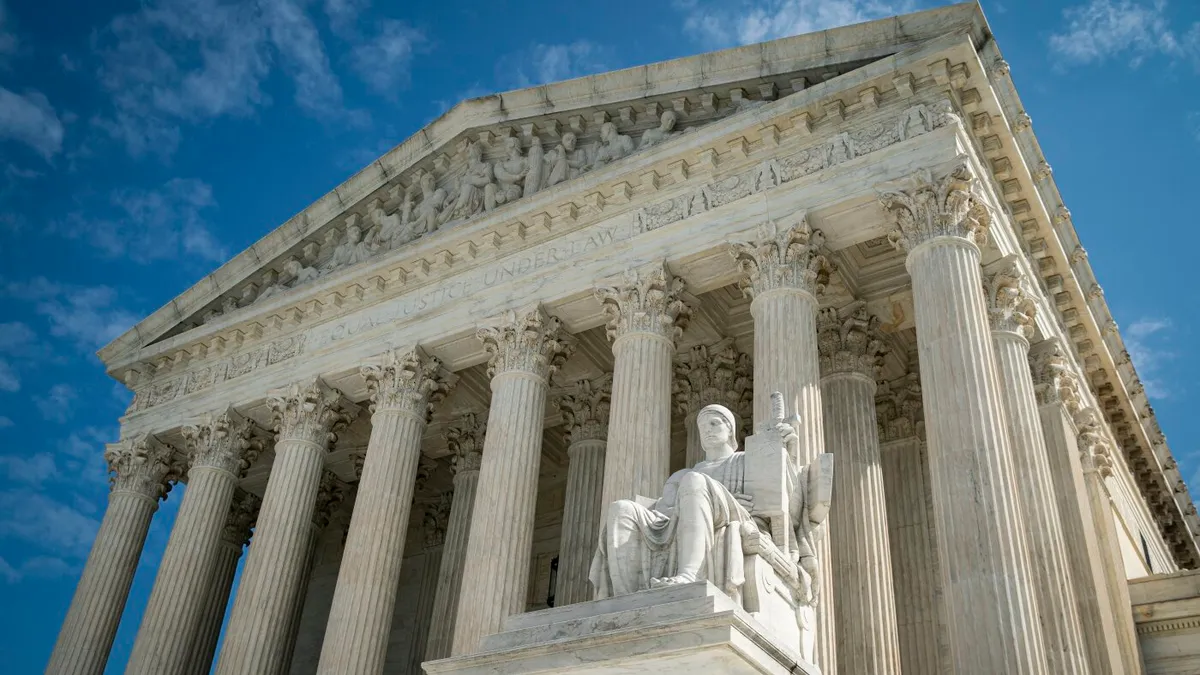
US District Judge Richard Leon just ruled that the Trump administration's deportation of Adriana María Quiroz Zapata was "likely illegal." Which, if you think about it, is a pretty strong statement coming from a judge.
Quiroz Zapata, 55, has diabetes and a thyroid condition. The ruling pointed out that she was shipped off to the Democratic Republic of Congo (DRC), a place notoriously ill-equipped to handle such medical needs. The daily risk of serious medical issues, including death, was apparently not a deterrent.
We're a new kind of news feed.
Regular news is designed to drain you. We're a non-profit built to restore you. Every story we publish is scored for impact, progress, and hope.
Start Your News DetoxWhile in detention, she developed black spots, peeling skin, and black nails. Her lawyer, Lauren O’Neal, shared a court declaration detailing these delightful symptoms, adding that Quiroz Zapata "is not doing well and fears she will die." Because, apparently, that's where we are now.
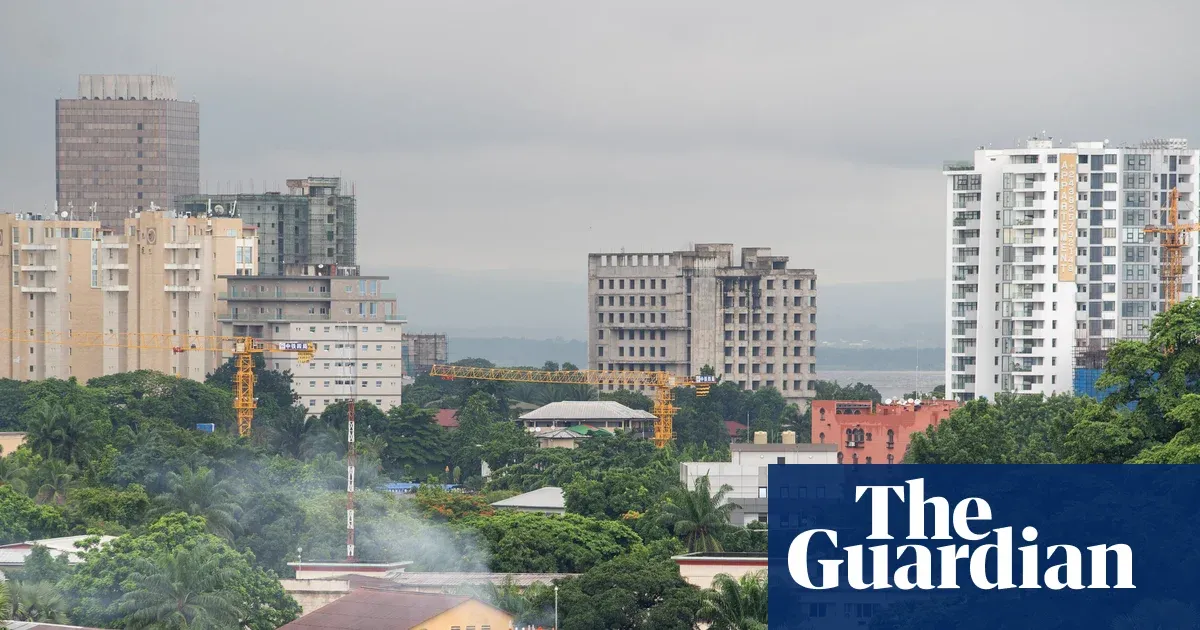
Quiroz Zapata entered the US from Mexico in August 2024 (yes, 2024, it's a wild timeline). She was then promptly taken into ICE custody. Since her deportation, she's been living in a hotel in Kinshasa, the DRC's capital. But not exactly living it up.
O'Neal explained that the hotel gates are locked, and she and other deportees are rarely allowed to leave, and only with supervision. Because nothing says "welcome to your new home" like a supervised outing from a locked hotel.
Quiroz Zapata was one of thousands of immigrants who were living legally in the US, patiently waiting for their asylum claims to be decided. Then, poof, sudden deportation orders to countries where most had zero connections. It's like a really terrible, bureaucratic game of 'pin the tail on the country.'
Advocacy groups say the White House issued over 15,000 of these "third-country" deportation orders as part of a push for more expulsions. Mercifully, only a small fraction of these have actually been carried out. Few details are known about the agreements the US has signed with countries like Ecuador, Honduras, Uganda, Cameroon, and the DRC to accept these unexpected guests. Estimates suggest only a few hundred of these off-the-books deportations have actually happened.
Now, the US has to bring her back. One can only imagine the paperwork involved in undoing a deportation.