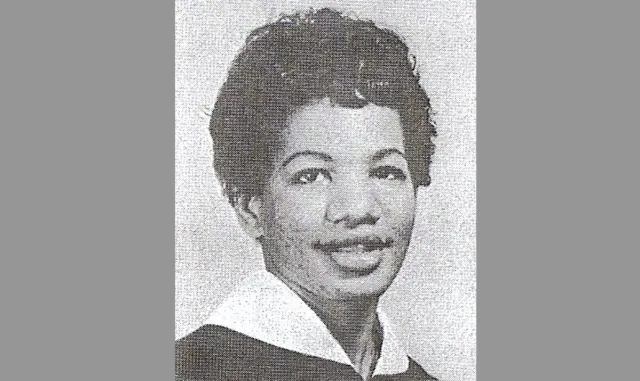
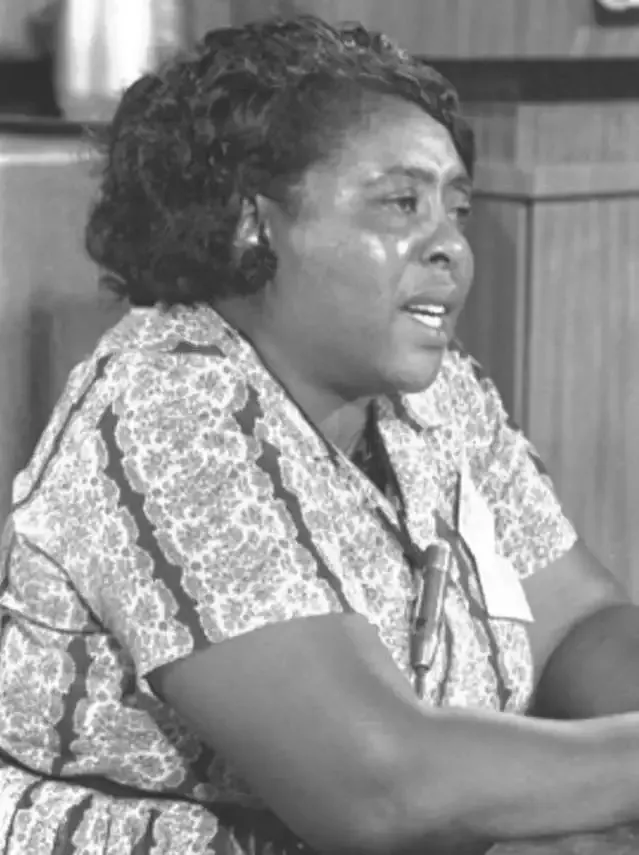
In 1961, a Mississippi plantation worker named Fannie Lou Hamer tried to register to vote. For that single act, she was jailed, beaten so severely she suffered permanent kidney damage, and fired from her job. She was 43 years old.
Instead of retreating, Hamer doubled down. She joined the Student Nonviolent Coordinating Committee, traveled across Mississippi registering Black voters, and co-founded the Mississippi Freedom Democratic Party. She ran for U.S. Senate. She spoke at the 1964 Democratic Convention, her voice steady as she testified about the violence she'd witnessed and endured. "I'm sick and tired of being sick and tired," she said — words that became a rallying cry for the entire movement.
What made Hamer extraordinary wasn't her credentials. She had no college degree, no family wealth, no political connections. What she had was clarity: "Nobody's free until everybody's free." She believed it completely, and she lived it. She organized from churches and community centers. She spoke in the language of the people around her. She refused to soften her message or accept compromise on fundamental rights.
We're a new kind of news feed.
Regular news is designed to drain you. We're a non-profit built to restore you. Every story we publish is scored for impact, progress, and hope.
Start Your News DetoxA legacy that outlasted her
Hamer died in 1977, worn down by the toll of decades fighting for justice while her own body was breaking down from the beatings and stress. But something remarkable happened after her death: her words didn't fade. Scholars published collections of her speeches. Documentaries brought her voice into living rooms — PBS aired "Fannie Lou Hamer's America" in 2022, introducing a new generation to her story. Historians like Keisha N. Blain and Kay Mills wrote biographies that showed how one woman's refusal to be silenced rippled outward, changing the landscape of American democracy.
Today, you can still hear Hamer speak. Her autobiography is archived online through the SNCC Digital Archive. Video clips of her speeches circulate on YouTube — grainy footage, but her presence unmistakable. When you watch her, you're not seeing a historical figure. You're seeing someone who understood that change doesn't come from waiting for permission. It comes from people deciding that the cost of silence is too high.
That decision — to speak, to organize, to keep showing up even after the beatings — is what her legacy actually is. Not a monument or a holiday, though those matter. But the fact that nearly 50 years after her death, people still cite her words when they're fighting for rights. That her example still teaches people what it looks like to refuse to be broken.