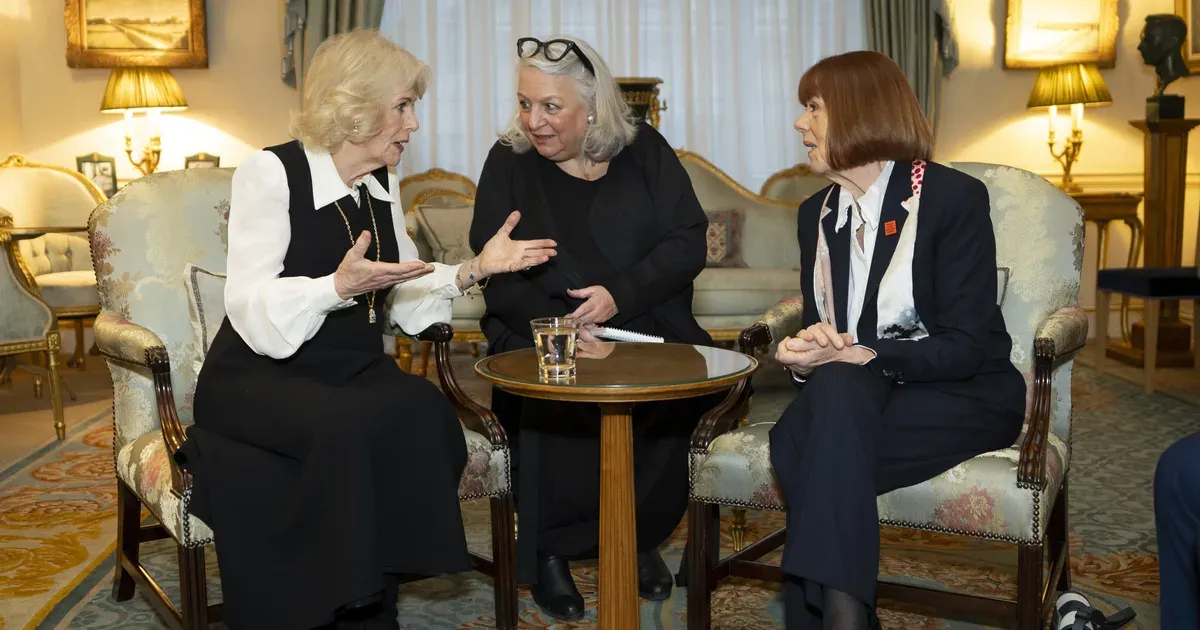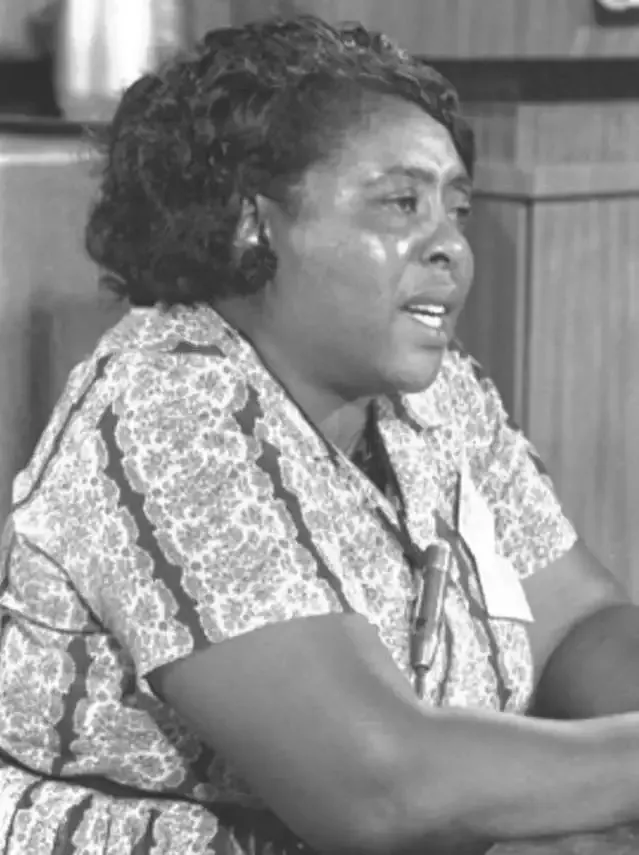

At 73, Gisèle Pelicot walked into a courtroom and chose to be named. She could have remained anonymous—the law allowed it. Instead, she decided that the shame of what happened to her should belong to someone else entirely.
For a decade, her ex-husband Dominique drugged her unconscious so he and at least 50 other men could assault her. When investigators discovered the crimes in 2020, Gisèle faced the choice most victims make: disappear from the record, protect your privacy, move forward quietly. She refused. "I felt ashamed when the incidents came to light," she said in a Radio France interview. "It took me four years to reach this point. I told myself we had to consider all the rape victims, who don't dare reject a closed trial out of shame."
She waived her anonymity not for herself, but for the women who couldn't yet speak.
We're a new kind of news feed.
Regular news is designed to drain you. We're a non-profit built to restore you. Every story we publish is scored for impact, progress, and hope.
Start Your News DetoxThe Trial That Changed French Law
The Mazan Rape Trial—named for the southeastern French village where the assaults occurred—concluded in December 2024 with convictions of all accused. But its impact extended far beyond the courtroom. In 2025, the French parliament amended the Penal Code to legally define rape as any nonconsensual sexual act. For the first time, lack of consent became the legal standard, not force or violence. That shift came directly from the attention Gisèle's decision to testify publicly had generated.
In France, one woman is raped or experiences attempted rape every two and a half minutes—a figure likely understated because most assaults go unreported. Gisèle's choice to speak changed how the country measured and named what was happening.
On February 17, 2026, she released her memoir, A Hymn to Life: Shame Has to Change Sides, co-written with journalist Judith Perrignon. When she appeared on the prime-time literary show La Grande Librairie to discuss it, more than half a million people tuned in. In nearly 50 minutes, she spoke about rebuilding her life, refusing to be what she calls a "broken victim," and how the support of thousands of women sustained her through the trial.
Her central message remained steady: shame must change sides.
From Courtroom to the World
The book is being published in 22 languages. From El País to the New York Times, from the BBC to Der Spiegel, journalists have sought her out. Her image appears in exhibitions and artistic works. In July 2025, the French State appointed her a knight of the Legion of Honor.
What makes this moment distinct isn't just that one woman spoke up—it's that her testimony became structural. She didn't inspire sympathy; she inspired legal change. She didn't ask for understanding; she demanded accountability. And somewhere in that difference, other women found permission to speak too.
Gisèle is now 73, rebuilding her life in the open, her name attached to a global conversation about consent, impunity, and who actually carries the weight of shame. The conversation is far from over.