Nearly a million people are trafficked in the U.S. each year, but the routes they travel remain largely invisible—until someone notices. Public transportation is where that invisibility ends.
A bus ticket requires nothing more than cash. A train seat needs only a fare. Unlike airports with their security checkpoints, buses and trains move people across cities and states with minimal scrutiny. Traffickers know this. In California, 29% of trafficking victims used buses at some stage of their exploitation, according to a 2022 transportation research study. The scenario is often chillingly simple: an online conversation, then a bus ticket arrives. The victim boards.
But something is shifting. Transit agencies and bus companies are training their frontline workers—conductors, drivers, station staff—to see what traffickers rely on going unnoticed.
We're a new kind of news feed.
Regular news is designed to drain you. We're a non-profit built to restore you. Every story we publish is scored for impact, progress, and hope.
Start Your News DetoxThe Chicago model spreads
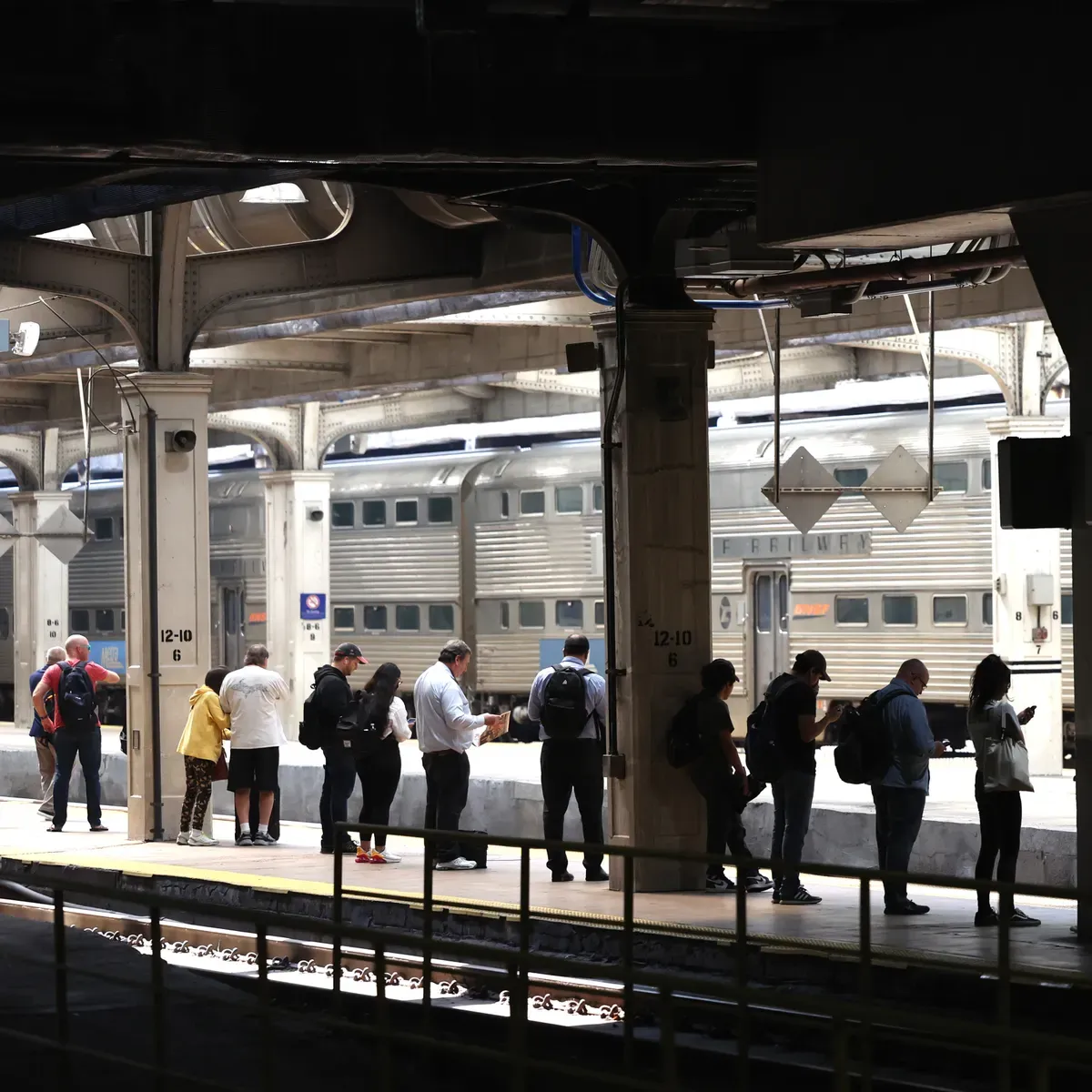
Metra, the Chicago region's commuter railroad, held a human trafficking conference in April after months of training its employees to recognize the signs. The indicators are specific: two or three girls sitting with an older man who holds all their tickets. The children keep their heads down, carry no phones, don't speak. A common pattern that most riders would never register as unusual.
Metra CEO James Derwinski framed the work plainly: "People use public transportation to traffic individuals. The more we get that message out to our forward-facing employees, the greater the possibility of saving the victim."
The training includes videos, station signage, and a critical instruction: don't intervene directly. Instead, alert law enforcement who can board at the next stop. Metra assigned two officers specifically to trafficking cases and connects them regularly with local police. When Derwinski presented this framework to the Commuter Rail Coalition in November, the response was immediate. "It opened people's eyes," said coalition CEO KellyAne Gallagher. Other transit agencies are now requesting Metra's training materials.
Amtrak, which states there is no evidence traffickers use its trains, still provides employee education and posts trafficking awareness videos on its website. Independent research suggests traffickers may use Amtrak at some point in their operations, though the company maintains caution about definitive claims.
A network of trained observers
The American Bus Association is educating companies on what to watch for. Bus terminals and stops, it turns out, are common recruiting grounds. Greyhound launched a program offering free rides to young people aged 12 to 21 who meet certain criteria—a direct effort to reduce homelessness, trafficking, and violence among vulnerable youth.
Perhaps most significantly, Truckers Against Trafficking has trained nearly 200,000 bus and commercial drivers to recognize and report suspected trafficking. That's 200,000 people moving through the country daily, all trained to see what traffickers want hidden.
The data on human trafficking in America remains incomplete—the Bureau of Justice Statistics can't even estimate prevalence. But transit workers don't need perfect statistics. They need to know what to look for on their next shift. That knowledge is spreading.