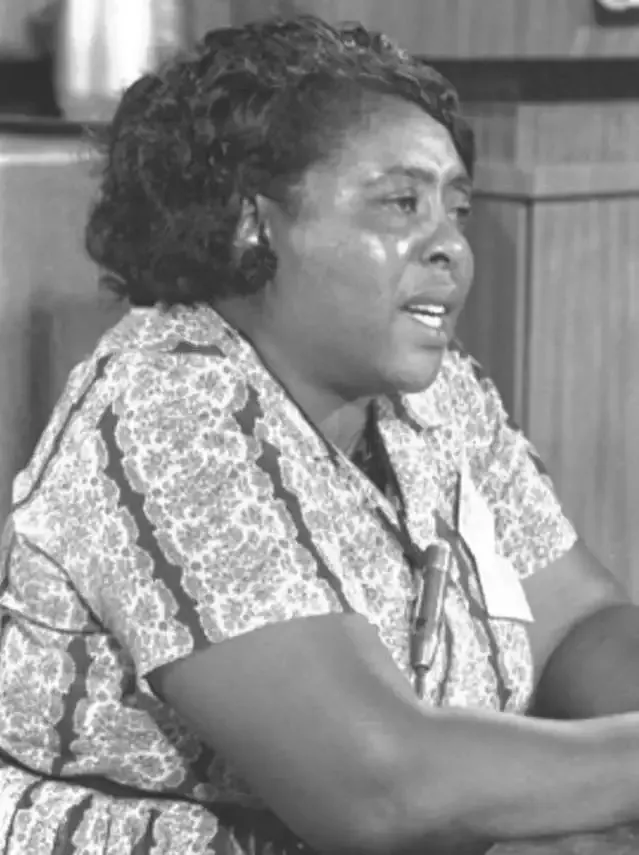
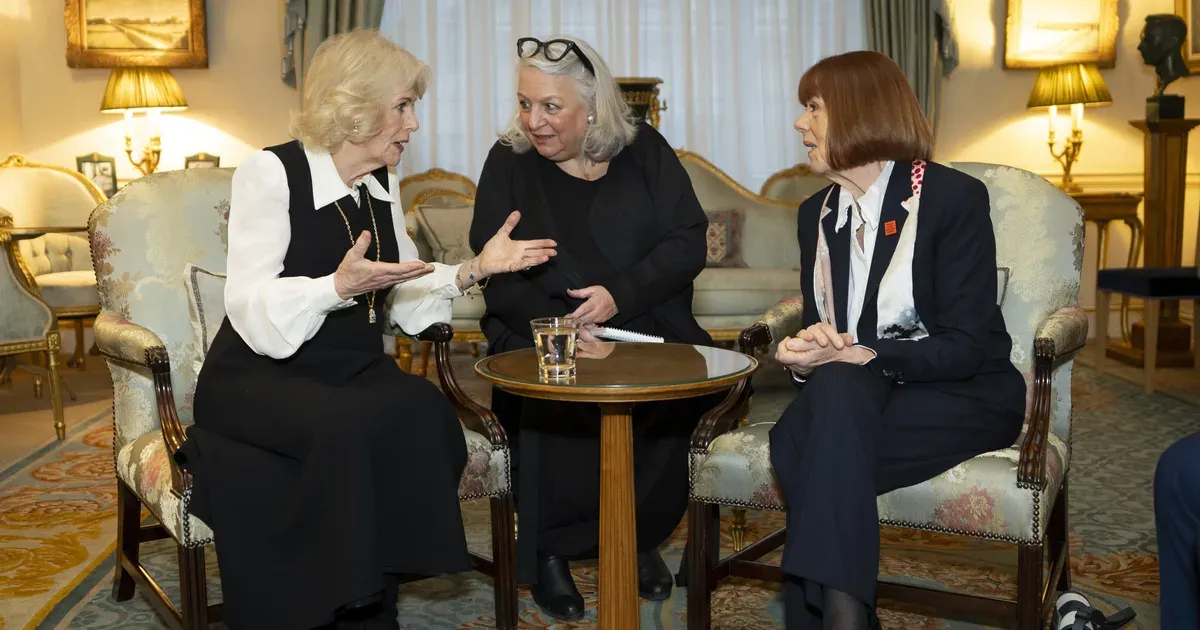
Britain's Queen Camilla sat down with French rape survivor Gisèle Pelicot over tea at Clarence House on Monday, a private meeting that carried weight far beyond the teacup. Camilla told the 73-year-old that she'd read her memoir, "A Hymn to Life: Shame Has to Change Sides," in just two days and couldn't put it down—a confession that came from someone who has spent decades meeting survivors of sexual violence.
"I've met so many survivors of rape and sexual abuse I never thought I could be shocked by anything any more, but I was shocked at your case," Camilla said. "It left me speechless."
Pelicot is in Britain wrapping up a U.K. tour for her memoir, which launched Friday at London's Royal Festival Hall to a sold-out crowd of more than 2,000. The event featured readings from actors Kate Winslet, Kristin Scott Thomas, and Juliet Stevenson—a signal of how far her story has traveled. She and her partner, Jean-Loup Agopian, spoke with Camilla for about 30 minutes through an interpreter, with the queen opening in French before joking that her schoolgirl French from 60 years ago had mostly evaporated.
We're a new kind of news feed.
Regular news is designed to drain you. We're a non-profit built to restore you. Every story we publish is scored for impact, progress, and hope.
Start Your News DetoxWhy This Moment Matters
Camilla has long campaigned against domestic violence and sexual abuse, but this meeting carried particular resonance. Pelicot became an international symbol of resilience after choosing to waive her anonymity and declare publicly that shame belonged with her abusers, not with her. Her ex-husband, Dominique Pelicot, was sentenced to 20 years in prison for drugging and raping her and enabling other men to do the same while she was unconscious—a pattern that continued for nearly a decade. Fifty men were eventually found guilty of rape or sexual offenses in the trial that concluded in December 2024.
When Pelicot spoke during their meeting about the "incredible strength" she'd received from supporters, Camilla responded simply: "you have so much support." It was the kind of acknowledgment that matters—not minimizing the horror of what happened, but recognizing that public witness to her courage had meaning.
Camilla had written to Pelicot the year before, praising her "extraordinary dignity and courage." Pelicot kept that letter framed in her office, a small anchor point in a larger story about what happens when someone refuses to carry shame that was never theirs to bear.
The timing of this meeting also lands in a moment when institutions—including royal ones—face renewed questions about how they respond to sexual violence and whether accountability actually reaches those with power. Against that backdrop, Camilla's embrace of Pelicot's refusal to be silenced sends a message about where moral clarity lies.
Pelicot's next steps remain her own, but her willingness to speak has already shifted something in how survivors are seen—not as victims defined by what was done to them, but as people whose courage can reshape a conversation.