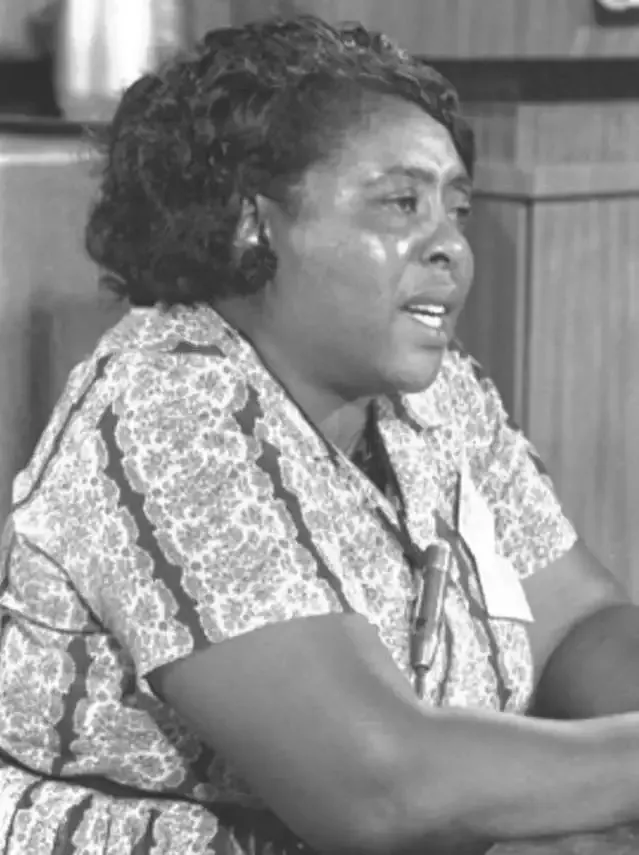
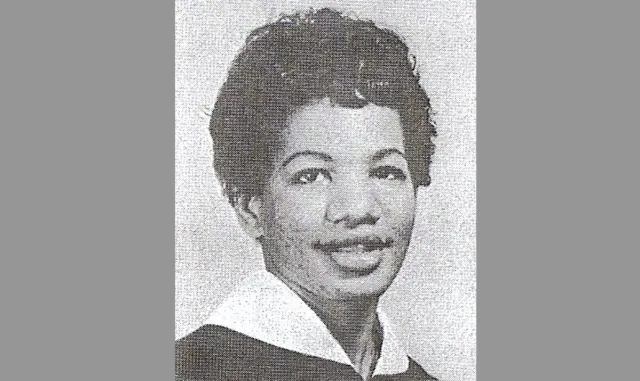
Ruby Doris Smith-Robinson was 25 when she died of cancer. By then, she'd already spent 100 days in prison, been beaten by a mob, and single-handedly forced an airline to honor its overbookings. She was the only woman to serve as Executive Secretary of the Student Nonviolent Coordinating Committee (SNCC), and her colleagues knew they'd never replace what she brought to the movement.
Kwame Ture, one of the original SNCC Freedom Riders, described her this way: "She was convinced that there was nothing that she could not do... she was a tower of strength." It's the kind of thing people say at funerals, usually. In Ruby's case, it was just fact.
The Person Behind the Title
Ruby's activism wasn't abstract. While attending Spelman College in Atlanta, she sat in at lunch counters and later moved on to integrating hospitals—work that required showing up at white-only entrances and refusing to leave. At one hospital, when a receptionist told her group they weren't even sick, Ruby walked to the desk, made eye contact, and vomited on the counter. "Is that sick enough for you?" she asked. It's a story that captures something crucial: she didn't just endure the movement's work, she refused to let her opponents' logic stand unchallenged.
We're a new kind of news feed.
Regular news is designed to drain you. We're a non-profit built to restore you. Every story we publish is scored for impact, progress, and hope.
Start Your News DetoxShe also joined the Freedom Riders, the integrated bus trips that tested segregation laws across the South. In Montgomery, she was attacked and beaten. She voluntarily served time under SNCC's "Jail-no-Bail" strategy, keeping bail money out of the hands of racist police departments rather than cycling through the system.
But Ruby's most revealing moment might be the airline story. In 1964, SNCC was boarding a plane to Africa to study nonviolent resistance in action. An airline representative told the group they were overbooked and would have to take a later flight. Without consulting anyone, Ruby walked into the jetway and sat down. She refused to move. Within hours, the airline found them seats on the original flight.
It's a small moment in the arc of the Civil Rights Movement, but it shows something her colleagues understood: Ruby didn't negotiate with injustice. She simply made it impossible to ignore.
What She Built
Beyond the confrontations, Ruby created the Sojourner Truth Motor Fleet—a practical system that kept cars available for SNCC's field staff. It's the kind of unglamorous infrastructure that keeps movements running, and it bore her fingerprints: thoughtful, necessary, and quietly powerful.
One year after she became Executive Secretary, succeeding James Forman, she was gone. The movement lost not just a leader but a person whose presence seemed to shift what was possible in a room. On her headstone in Atlanta are words that fit both her life and SNCC's mission: "If you think free, you are free."
Ruby's legacy extends forward through her family. In 2017, her niece Keisha Lance Bottoms was elected Mayor of Atlanta—the city where Ruby had fought for integration and paid with her body and her time. The work continues, carried forward by those who inherited her refusal to accept the world as it was.