A New Human Rights Center Just Opened in the Central African Republic

Congo Basin conservation hides a dark truth: protected areas meant for wildlife have become sites of alleged human rights abuses against Indigenous peoples, including beatings and intimidation.

James Whitfield
James Whitfield
·1 min read·Bayanga, Central African Republic·3 views
Share

Why it matters: This center offers Indigenous Peoples in the Central African Republic a vital path to justice and ensures their voices are heard in conservation efforts.

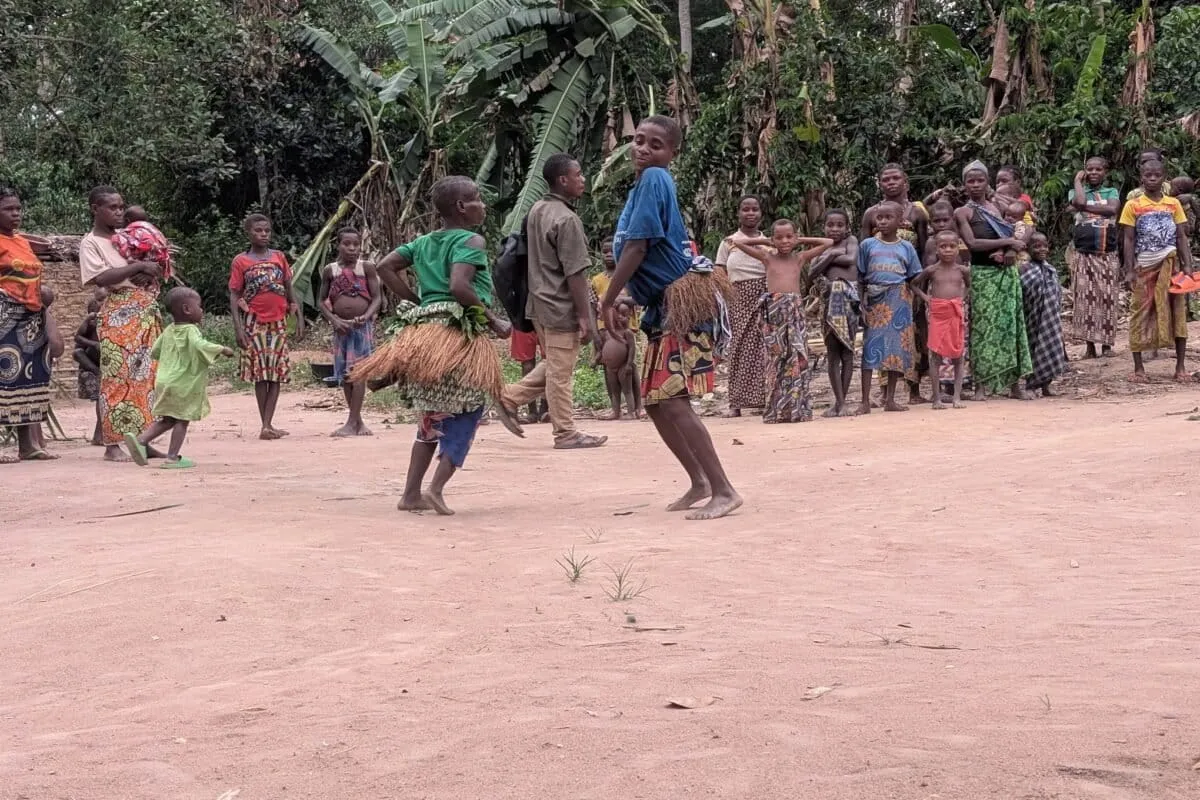
For years, conservation efforts in the Central African Republic have had a bit of a shadow hanging over them. While the goal was always to protect incredible wildlife, the methods sometimes… missed the mark. Specifically, Indigenous communities, particularly the Ba'aka forest people, have reported allegations of violence and intimidation, often at the hands of park rangers. Not exactly the “save the planet” vibe you’d expect.

Organizations like WWF and African Parks have been named in these reports, though they've consistently denied wrongdoing. Still, the stories kept coming, painting a picture of conservation coming at a very real human cost. Because apparently, protecting a forest sometimes meant stepping on the people who’ve lived in it for generations.
Article illustration

Justice in the Jungle

Now, a new kind of center has popped up in Bayanga, a town right on the edge of Dzanga-Sangha National Park. It’s called the Bayanga Human Rights Center, and its mission is as straightforward as it is vital: give Indigenous people a path to justice.

Wait—What is Brightcast?

We're a new kind of news feed.

Regular news is designed to drain you. We're a non-profit built to restore you. Every story we publish is scored for impact, progress, and hope.

Start Your News Detox

Here’s the kicker: it’s funded by several conservation groups, including WWF. Yes, the very same WWF. For them, it’s a way to finally address the complaints from those impacted by conservation work in the park. Because sometimes, the best way to move forward is to acknowledge the past.

This small, unassuming center has quickly become a beacon of trust for the Ba'aka and the nearby Bilo communities. It’s a place where they can voice their concerns, share their stories, and actually seek solutions. Which, if you think about it, is a pretty crucial step in protecting everything that calls that forest home – humans included.
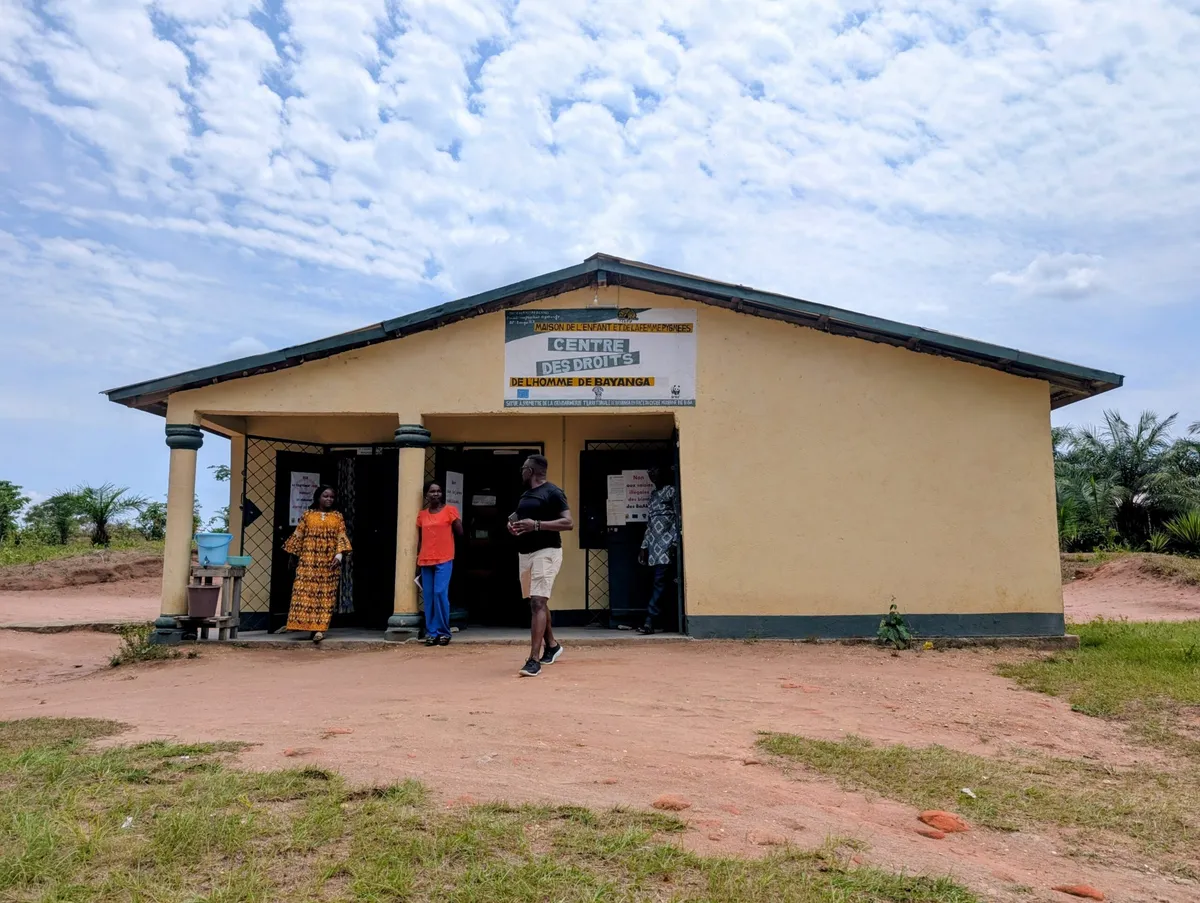
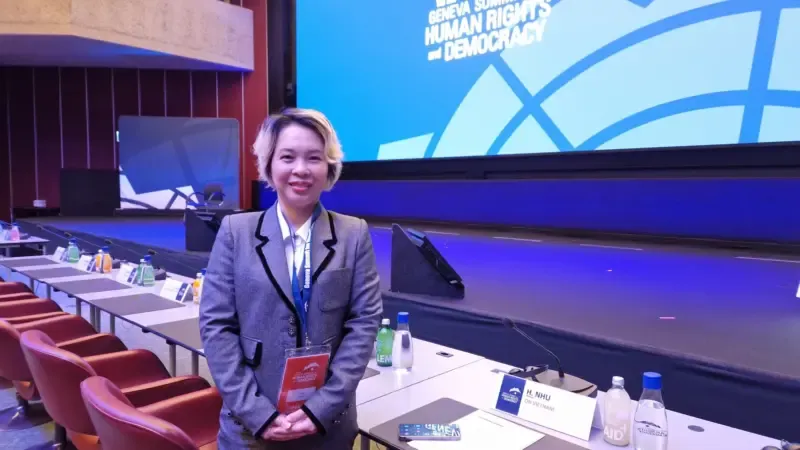
Article illustration
61
HopefulSolid documented progress

Brightcast Impact Score

This article highlights the positive action of establishing a human rights center that provides a path to justice for Indigenous Peoples affected by conservation efforts. The center offers a novel mediation mechanism, fostering trust and addressing grievances, which is a significant step towards rectifying past issues. While currently focused on a specific region, its success could serve as a model for similar initiatives in other areas facing similar challenges.

26

Hope

Solid

18

Reach

Solid

17

Verified

Solid

Wall of Hope

0/50

Be the first to share how this story made you feel

How does this make you feel?

1
2
3
4
5
6
7
8
9
10
11
12
13
14
15
16
17
18
19
20
21
22
23
24
25
26
27
28
29
30
31
32
33
34
35
36
37
38
39
40
41
42
43
44
45
46
47
48
49
50

Connected Progress

Drop in your group chat

This is cool - a new human rights center in the Central African Republic is helping Indigenous peoples address conservation-related abuses. www.brightcast.news

Be the first to ripple this story

Share it and watch how far your hope travels. Each share extends the ripple.

Share

Originally reported by Mongabay · Verified by Brightcast

Get weekly positive news in your inbox

No spam. Unsubscribe anytime. Join thousands who start their week with hope.

More stories that restore faith in humanity

P
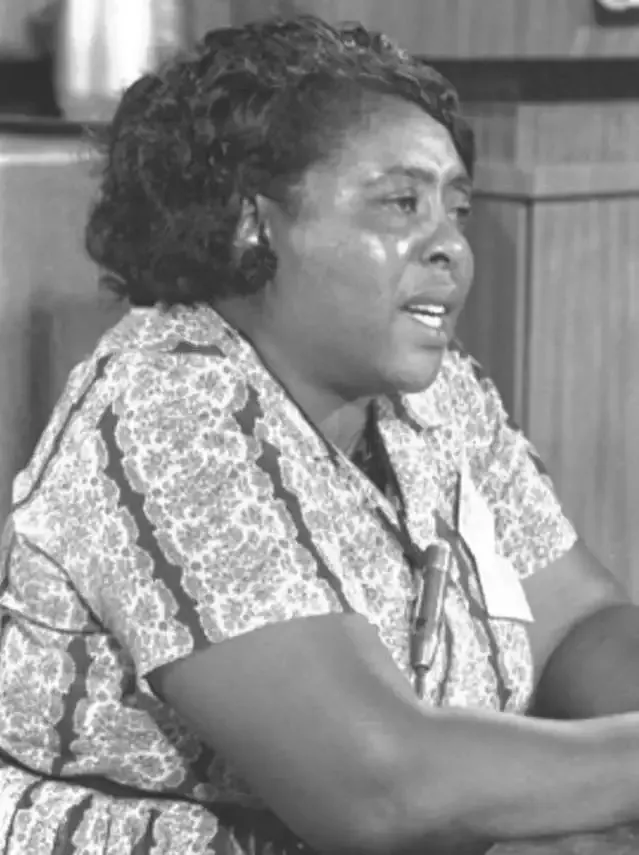
BHM100*: Remembering Fannie Lou Hamer, the Mississippi Plantation Worker Jailed and Beaten for Trying to Vote; She Fought Back as a Civil Rights Activist, Organizer and Powerful Speaker
Peace
2 months ago
Breakthrough

BHM100*: Remembering Fannie Lou Hamer, the Mississippi Plantation Worker Jailed and Beaten for Trying to Vote; She Fought Back as a Civil Rights Activist, Organizer and Powerful Speaker

[*This year marks the 100th anniversary since Carter G. Woodson, the “Father of Black History” founded Negro History Week in February 1926. Fifty years after that, President Gerald Ford officially recognized Black History Month. In 1986, Congress passed a law officially designating February as Black...

from Good Black News

81
BIS
0 Likes
9 Views