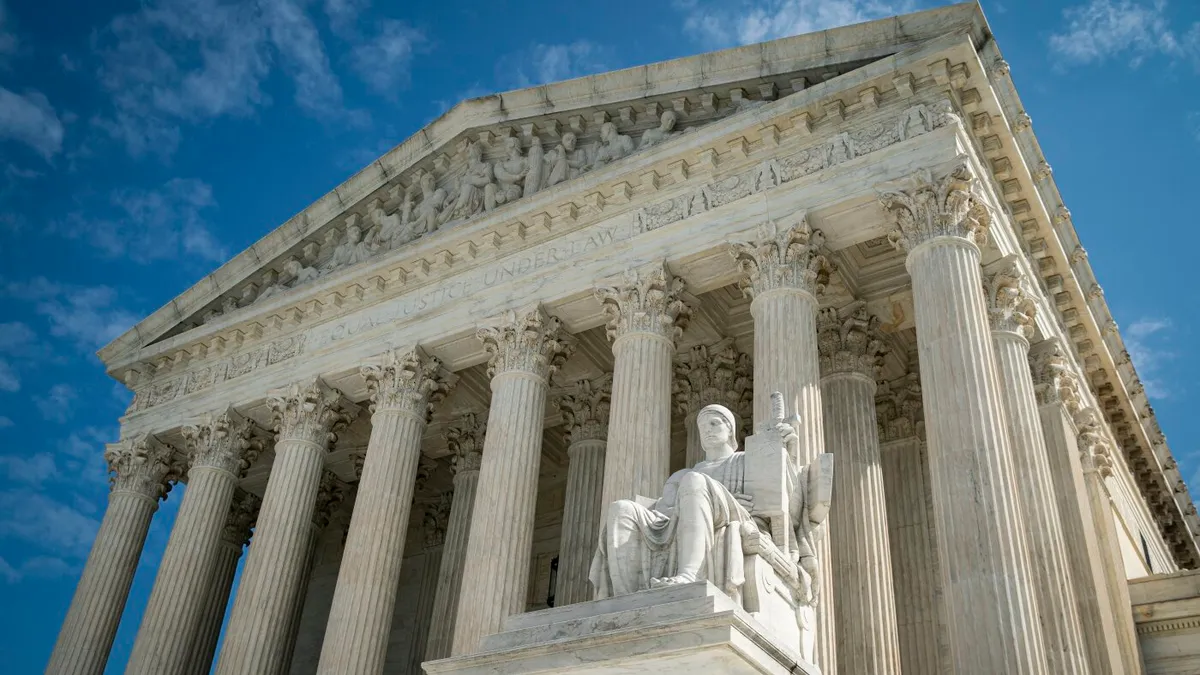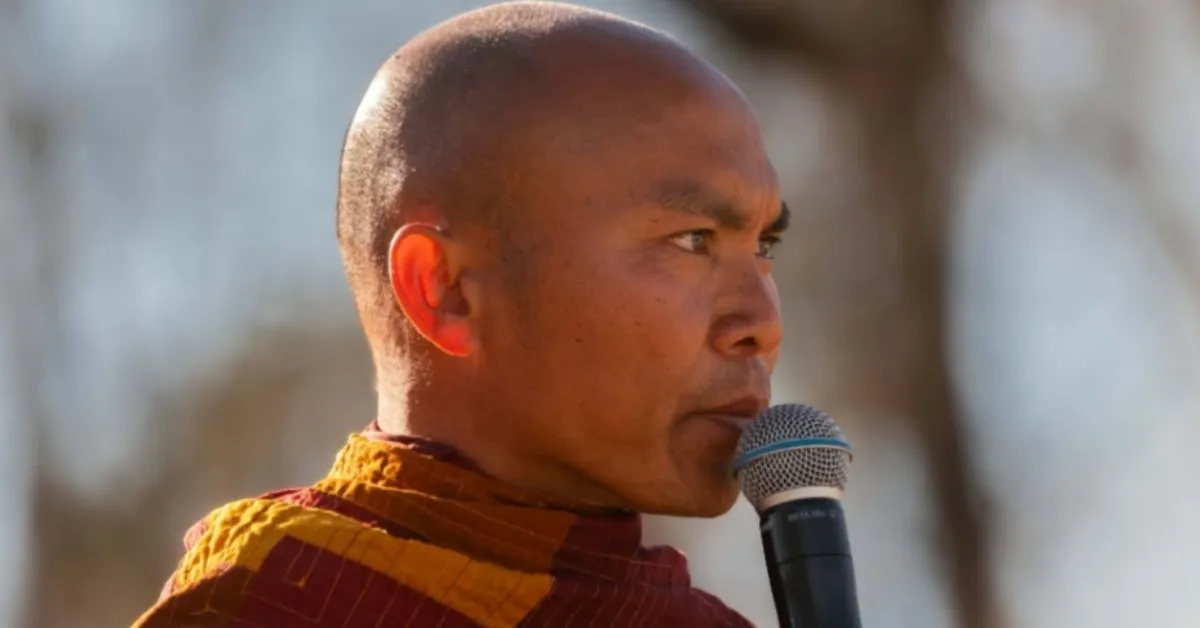
After nearly two decades of legal back-and-forth, Nepal's highest court has finally told its government: same-sex marriage is happening. And not just 'maybe happening,' but guaranteed to happen. The binding directive, issued on June 18, 2026, wraps up a legal battle that's been dragging on since before TikTok was even a twinkle in anyone's eye.
Adding a little judicial mic-drop, the court also tossed out a petition that tried to block these rights. Now, the government has its marching orders: update the civil code, scrub out the discriminatory bits, and create a separate marriage registry just for same-sex couples. Because apparently that’s where we are now — a country where love is, legally speaking, just love.
A Marathon, Not a Sprint, to Equality
This isn't Nepal's Supreme Court's first rodeo on this issue. This is the fourth time they’ve had to weigh in, which tells you something about persistence. The Blue Diamond Society, Nepal's leading LGBTQ+ rights group, noted that these rulings simply confirm what should have been obvious all along: everyone has a constitutional right to marry.
We're a new kind of news feed.
Regular news is designed to drain you. We're a non-profit built to restore you. Every story we publish is scored for impact, progress, and hope.
Start Your News DetoxThe whole journey kicked off in 2007 with a case titled Sunil Babu Pant vs. Nepal government. That's when the groundwork was laid, establishing constitutional protections for sexual and gender minorities. Fast forward to 2023, and an interim ruling started provisionally recognizing same-sex marriages while the final decision was pending. Nine activists initially filed that lawsuit, challenging laws that stubbornly insisted marriage was only for a man and a woman.
By early 2026, local LGBTQ+ rights organizations had documented 35 same-sex marriages. Local media confirmed nine of those. Imagine being one of those couples, living in limbo. Now? That limbo just got a binding legal stamp.

So, What Now?
Nepal's Supreme Court is the final word on interpreting the constitution, which means the government isn't just politely asked to comply; they must. The civil code gets an overhaul, biased language gets the boot, and same-sex couples get the same access to marriage registration as everyone else.
Sunil Babu Pant, the human rights activist who initiated that 2007 case, called the decision a "historic milestone for equality, dignity, and human rights in Nepal." They added that it provides "crucial legal clarity and protection for the rights of same-sex couples." Which, if you think about it, is both impressive and slightly terrifying that it took this long to get clarity on something so fundamental.
While the legal victory is huge, the real test is how quickly the government translates this ruling into actual action. Nepal's governments have, shall we say, a history of dragging their feet on Supreme Court directives. But for those 35 couples who registered under the 2023 interim order, the uncertainty is finally over. The directive is binding. Now, we just wait to see how fast the paperwork moves.