
A Lemur Scientist's Unlikely Legacy: Civil Rights and Speedy Trials

1950s American South: Segregation was daily life. Airports, restaurants, schools, buses—all separate. This system, enforced by law and custom, demanded white compliance.

Amara Diallo
Amara Diallo
·1 min read·Durham, United States·6 views

Originally reported by Mongabay · Rewritten for clarity and brevity by Brightcast

Why it matters: Peter Klopfer's legacy at Duke University and his fight for civil rights continue to inspire justice and scientific advancement for all.

Peter Klopfer, a name you might not know but whose impact you've certainly felt, passed away recently at 95. He spent nearly seven decades at Duke University, shaping the field of behavioral ecology and co-founding the now-legendary Duke Lemur Center — which, for the record, boasts the largest lemur collection outside of Madagascar itself. That's a lot of tiny, wide-eyed primates.

But here’s the unexpected twist: Klopfer, the lemur guy, was also the central figure in a landmark Supreme Court case. We're talking about Klopfer v. North Carolina (1967), a case that firmly established the Sixth Amendment's right to a speedy trial in state courts. So, the same brain that pondered mother-offspring bonding in prosimians also ensured that the justice system couldn't just leave you hanging indefinitely. Because apparently, that's where we were.

Article illustration

Born in Berlin in 1930, Klopfer grew up in the U.S. within a German immigrant family, attending Friends schools before heading off to UCLA and Yale. He lived a life that blended scientific curiosity with a deep commitment to civil liberties, proving that you can be a world-renowned zoologist and a pivotal figure in American jurisprudence. A man of many talents, indeed.

Wait—What is Brightcast?

We're a new kind of news feed.

Regular news is designed to drain you. We're a non-profit built to restore you. Every story we publish is scored for impact, progress, and hope.

Start Your News Detox


Brightcast Impact Score (BIS)

This article celebrates Peter Klopfer's positive actions in both civil rights and scientific institution building. His involvement in a Supreme Court case and co-founding the Duke Lemur Center demonstrate significant, lasting contributions. The story highlights his dedication to justice and scientific advancement.

Hope30/40

Emotional uplift and inspirational potential

Reach24/30

Audience impact and shareability

Verification20/30

Source credibility and content accuracy

Significant
74/100

Major proven impact

Start a ripple of hope

Share it and watch how far your hope travels · View analytics →

Spread hope
You
friendstheir friendsand beyond...

Wall of Hope

0/20

Be the first to share how this story made you feel

How does this make you feel?

1
2
3
4
5
6
7
8
9
10
11
12
13
14
15
16
17
18
19
20

Connected Progress

Sources: Mongabay

More stories that restore faith in humanity

P
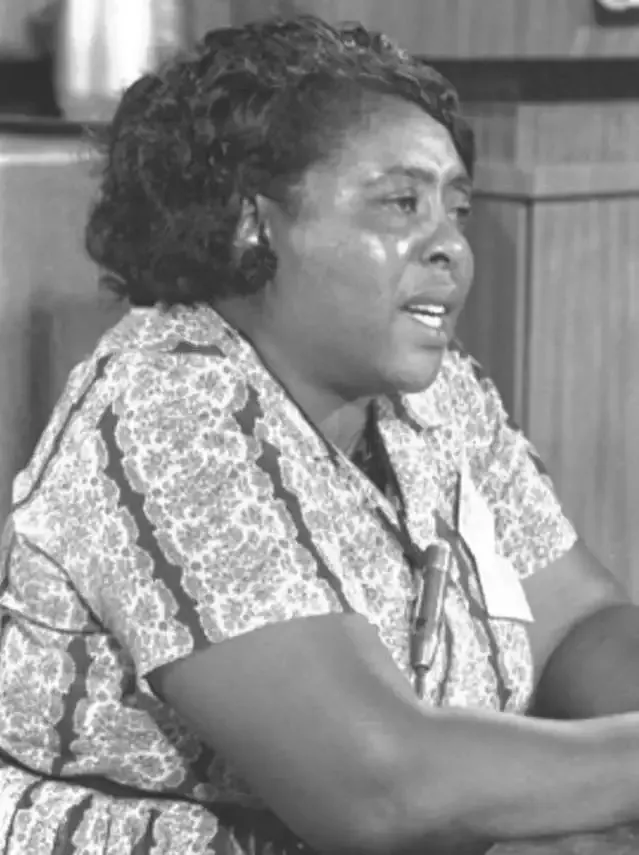
BHM100*: Remembering Fannie Lou Hamer, the Mississippi Plantation Worker Jailed and Beaten for Trying to Vote; She Fought Back as a Civil Rights Activist, Organizer and Powerful Speaker
Peace
4 months ago
Breakthrough

BHM100*: Remembering Fannie Lou Hamer, the Mississippi Plantation Worker Jailed and Beaten for Trying to Vote; She Fought Back as a Civil Rights Activist, Organizer and Powerful Speaker

[*This year marks the 100th anniversary since Carter G. Woodson, the “Father of Black History” founded Negro History Week in February 1926. Fifty years after that, President Gerald Ford officially recognized Black History Month. In 1986, Congress passed a law officially designating February as Black...

81
0
105