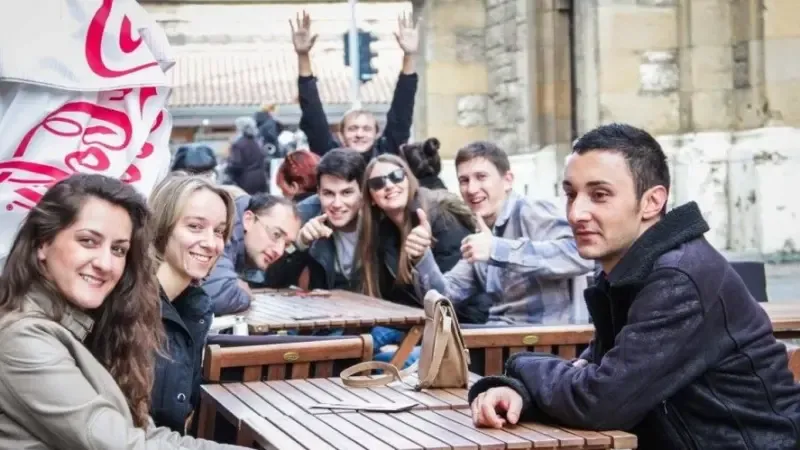
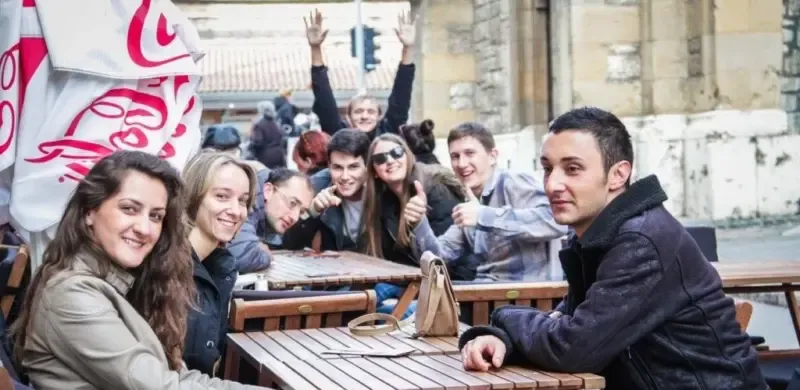
While politicians in Croatia, Bosnia and Herzegovina, and Serbia are still busy with their nationalist greatest hits, a new generation is quietly, stubbornly, choosing a different path. They're not just hoping for cooperation; they're doing it. Every single day.
For these young people, regional unity isn't some dusty political talking point. It's a lived experience, forged in workshops, study trips, and community projects that fly under the radar of officialdom.
Unlearning Divides
Forget the classroom — these collaborations are happening in the real world. Young people are gathering for workshops in Sarajevo, embarking on study trips to Zagreb, and launching projects in Belgrade. In these spaces, they're tackling the heavy stuff: responsibility, remembrance, and the lingering shadow of the 1990s wars. It's critical thinking, uncensored, and a refreshing contrast to the often-sanitized history lessons.
We're a new kind of news feed.
Regular news is designed to drain you. We're a non-profit built to restore you. Every story we publish is scored for impact, progress, and hope.
Start Your News DetoxInformal education, it turns out, is the antidote to nationalist narratives. Regional training, youth exchanges, and workshops are helping them understand the region's complex past and why cooperation isn't just nice, but necessary.
Vid Radičević, a 22-year-old from Zemun, Serbia, puts it simply: cooperation is a chance to meet new people and understand different cultures. Because, apparently, understanding other realities helps you fix your own.
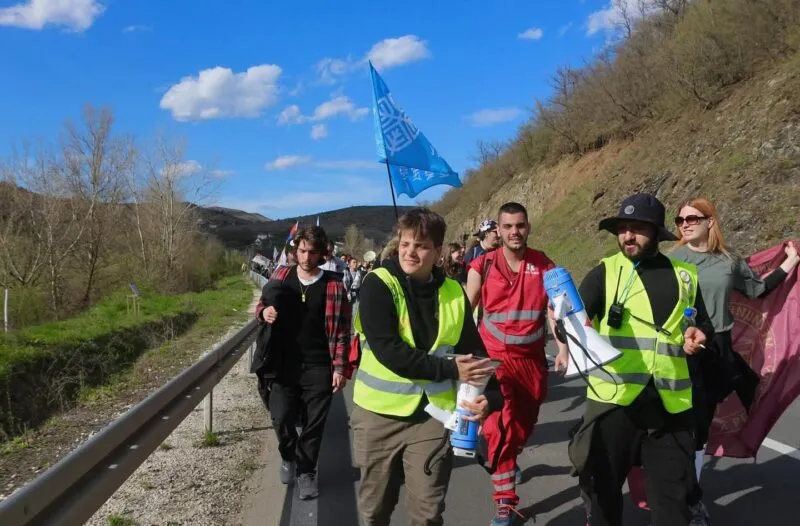
For nearly three decades, community organizations have been the unsung heroes, bringing young people together to discuss justice, human rights, and regional unity. Study trips to former sites of suffering aren't seen as a betrayal of one's country, but as an act of social responsibility. Which, if you think about it, is both impressive and slightly terrifying that it needs stating.
During these sessions, many hear perspectives from "the other side" for the very first time. They talk without political pressure, often realizing their experiences are remarkably similar, despite the constant drumbeat of division from their leaders.
Power in Numbers
Amidst the political squabbles, this youth cooperation is a quiet, powerful form of civil resistance. They're rejecting collective guilt and constant intolerance, opting instead for solidarity.
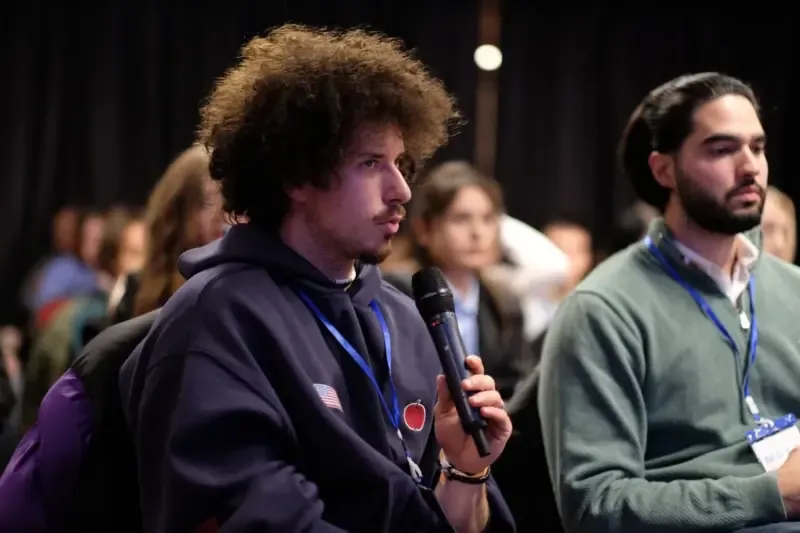
Enis Mlivić, 24, from Breza, Bosnia and Herzegovina, finds it empowering. Knowing there are others fighting for similar values in different cities helps break that crushing feeling of isolation. "This gives legitimacy and strength," he notes. "It connects resources, knowledge, and experiences, but more importantly, it connects people." Let that satisfying observation sink in.
This solidarity manifests in joint campaigns against hate speech, supporting activists, organizing protests, and even attending commemorations in neighboring countries. They're not just talking the talk.
Building a Future, One Conversation at a Time
These young activists understand that lasting regional cooperation requires genuine dialogue and mutual understanding. Denying war crimes, downplaying court verdicts, or weaponizing war trauma for political gain? That's a one-way ticket to distrust and closed doors.
Which is precisely why initiatives that connect young people are so vital. They're building networks of trust that transcend borders and the daily political noise. When young people analyze court judgments, visit memorials, or collaborate on research, they're not just learning; they're building a culture of responsibility. And that, friends, is the bedrock of lasting peace.
Tena Vizinger, 21, from Zagreb, sees cooperation on the past as crucial for the future, especially when it comes to joining the European Union and overcoming existing barriers. She's holding out hope that structural changes, particularly in education, will lead to concrete, cross-border cooperation.
Despite the usual suspects – limited resources and political pressure – youth activism in the region isn't just surviving; it's thriving. They didn't choose the wars of the 1990s, but they're acutely aware that the conflict's legacy still shapes everything. And through their efforts, they're proving that cooperation isn't just a lofty ideal, but a practical, powerful reality. The future, it seems, might just be defined by collaboration, not division.