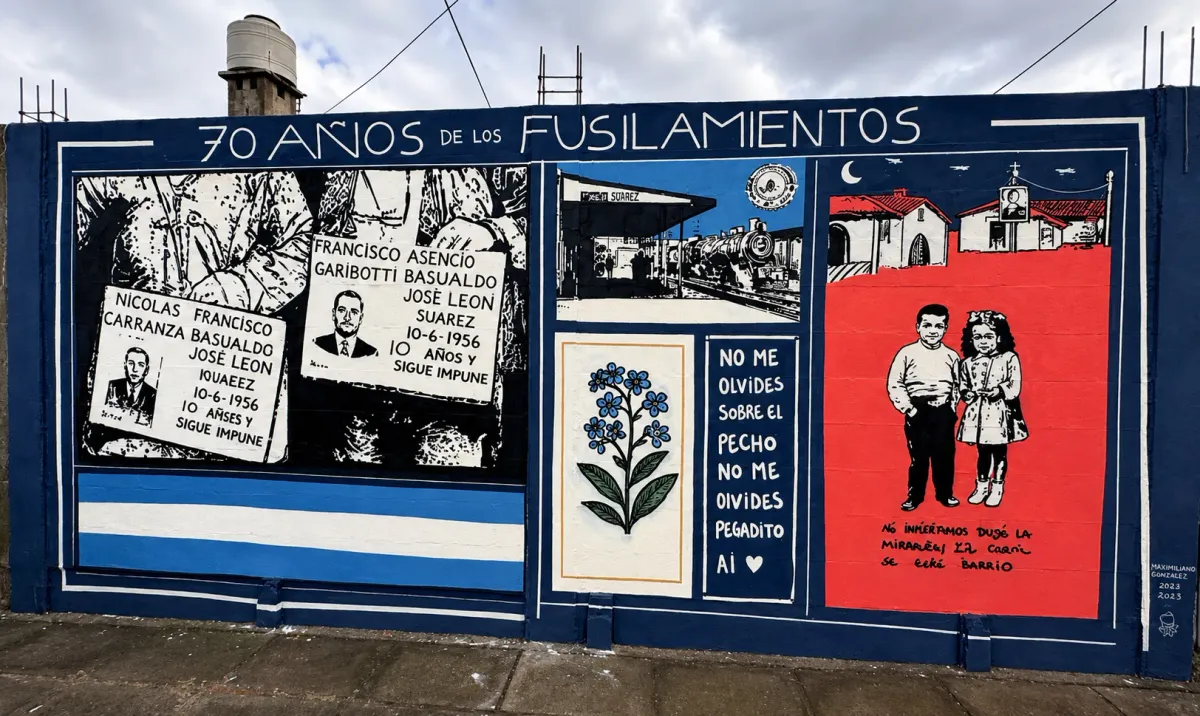
It took 70 years, but a court in Argentina has finally declared the 1956 José León Suárez executions to be crimes against humanity. Let that number sink in. Seventy years for families to get a sliver of official recognition for a night that changed everything.
The ruling, handed down by Judge Alicia Vence on June 22nd, states unequivocally that the highest echelons of the dictatorship ordered the brutal operation. If the architects of this particular horror — state security officials Juan Constantino Quaranta, Desiderio Fernández Suárez, and Rodolfo Rodríguez Moreno — were still breathing, they'd be facing life sentences. Which, if you think about it, is both impressive and slightly terrifying given the snail's pace of justice.
Beyond the legal declaration, the court ordered several reparations. We're talking about restoring the victims' names and honor, publishing the judgment for all to see, and integrating these grim facts into educational programs. There will be commemorative plaques and even a memorial site at the José León Suárez landfill. Because apparently, that's where we are now: turning landfills into monuments to official cruelty.
We're a new kind of news feed.
Regular news is designed to drain you. We're a non-profit built to restore you. Every story we publish is scored for impact, progress, and hope.
Start Your News DetoxThe Night It All Went Sideways
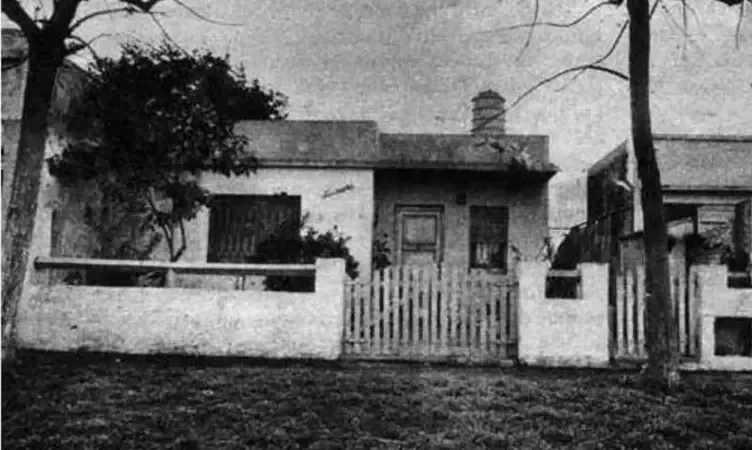
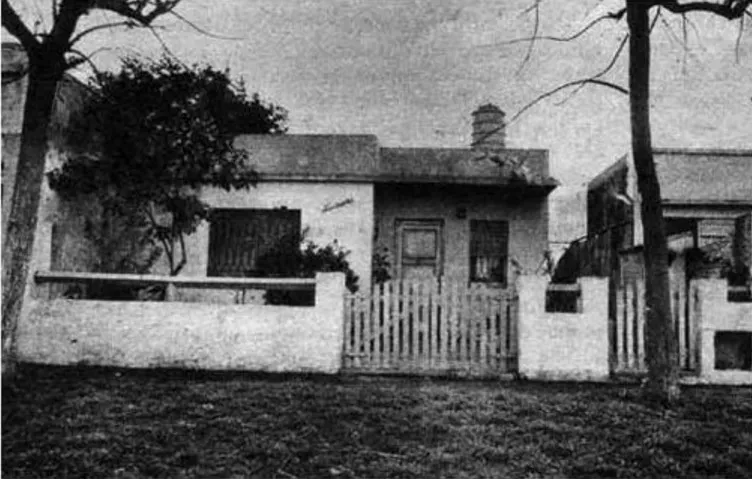
The story begins on June 9, 1956, in a house in Florida, a suburb of Buenos Aires. Some men were just neighbors catching a boxing match. Others were Peronist sympathizers, hoping for a radio announcement that would signal an uprising against the dictatorship that had overthrown President Juan Domingo Perón the year before. Spoiler alert: the plot failed before it even got out of bed.
Around 11:00 p.m., armed men stormed the house, hunting for military official Raúl Tanco, who they believed was orchestrating a coup. Every man in the house was arrested. By dawn, five of them were executed at a landfill in José León Suárez. Seven others, miraculously, survived.
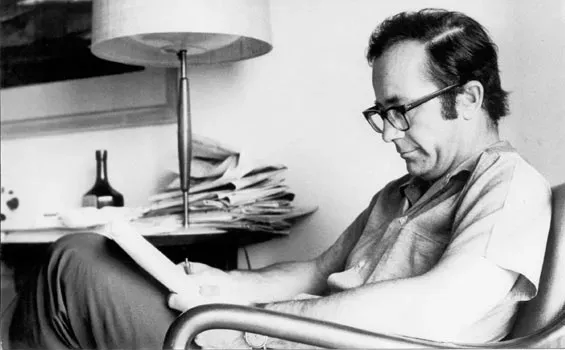
This is where Argentine journalist Rodolfo Walsh steps in. Initially anti-Peronist, Walsh smelled a rat. His 1957 non-fiction novel, Operation Massacre, blew the lid off the whole sordid affair. It's now considered the first Spanish-language non-fiction novel, which is quite a legacy for a story born of such injustice.
A Dictatorship, a Cover-Up, and a Chess Game
The 1955 coup, charmingly dubbed "Revolución Libertadora," installed General Aramburu's dictatorship. This regime ruled with an iron fist, outlawing Peronism, crushing trade unions, and tossing thousands of activists into prison. The planned uprising by Generals Juan José Valle and Raúl Tanco was supposed to be triggered by a radio announcement, but it crumbled almost immediately. The men in that house had no idea what was coming.
Police stormed in, shouting, "Where is Tanco?" He wasn't there; he'd sought asylum at the Haitian embassy. But that didn't stop them from rounding up 12 men, who were then driven to the San Martín Regional Police Unit and eventually to the José León Suárez landfill. Nicolás Carranza, Francisco Garibotti, Carlos Alberto Lizaso, Mario Brión, and Vicente Rodríguez were executed. Juan Carlos Livraga, 24, was one of the seven who escaped, shot but alive, and dedicated his life to telling the tale.
Six months later, Walsh was playing chess in a bar when an acquaintance dropped a bombshell: "There's an executed man who lives." Walsh, a skeptic by nature, was hooked. He spent months tracking down survivors, piecing together the night, and uncovering the chilling detail that martial law, supposedly authorizing the executions, wasn't even decreed until after the arrests. The state, naturally, offered no answers. The perpetrators kept their jobs.
Walsh himself never saw justice for Operation Massacre. He was abducted and assassinated by another military dictatorship in 1977, a day after releasing his scathing "Open Letter to the Military Junta."
The Seventy-Year Debt
Juan Carlos Livraga, "the executed man who lives," spent seven decades seeking justice. In June, at 94, he testified via videoconference from the U.S. and finally heard the ruling he'd waited a lifetime for.
This is a big deal. For the first time, Argentina has legally acknowledged that the state executed five men without trial, charges, or legal basis, then covered it up for 70 years. Unlike the families of the disappeared in the 1970s, who famously formed groups like Madres de Plaza de Mayo, these families stood alone for decades. The sheer passage of time was a massive legal hurdle.
Declaring these incidents crimes against humanity was the key, as such crimes have no time limitations. Alicia Rodríguez, who was 10 when her father, Vicente Rodríguez, was executed, is now 80. She told the media, "It helps young people learn the truth. I believe this is how we build Truth, Memory, and Justice, so other families don't have to suffer the same cruelty we did." Seventy years is a long time to wait for the truth, but sometimes, it's just long enough to finally get it.