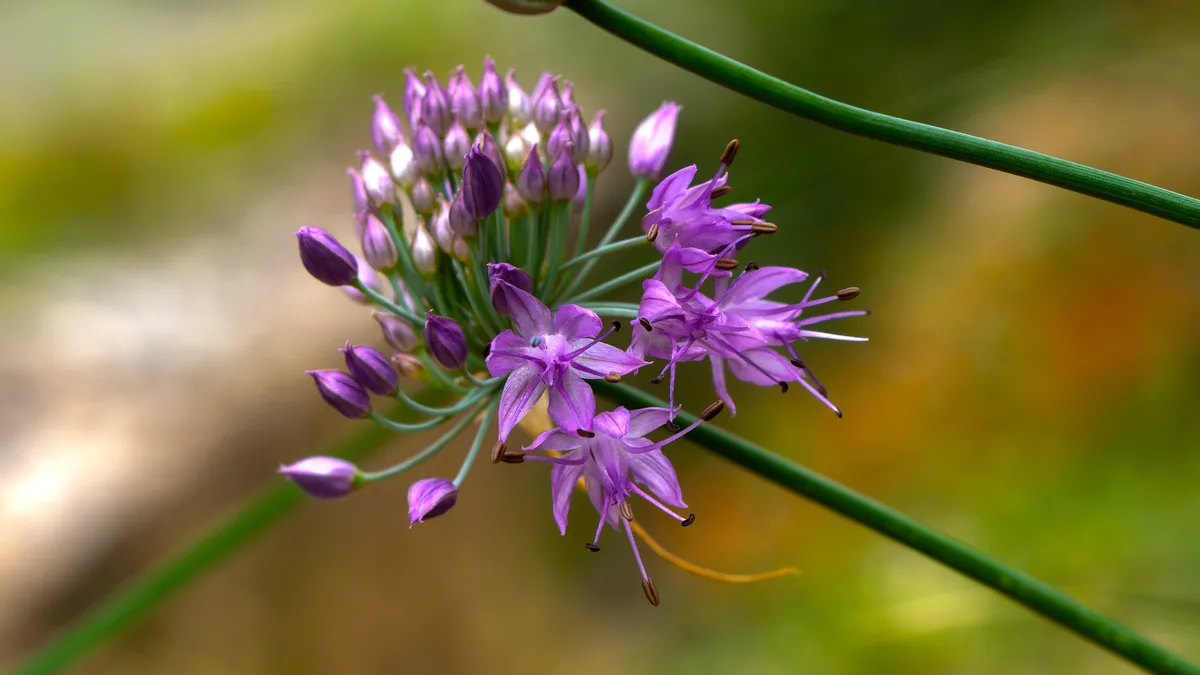
In Nepal, there's a saying: "dal bhat power, 24 hour." It's the local version of "an apple a day," except it involves rice and soupy lentils, and it fuels a nation. A simple, comforting dish, it's a staple. But what gives it that extra something, that unique taste of home? A fragrant Himalayan herb called jimbu.
Turns out, this unassuming herb, a kind of wild chive, isn't just a culinary secret. It's also quietly becoming a lifeline for Indigenous communities and, unexpectedly, for the elusive snow leopard.

The Unexpected Power of Jimbu
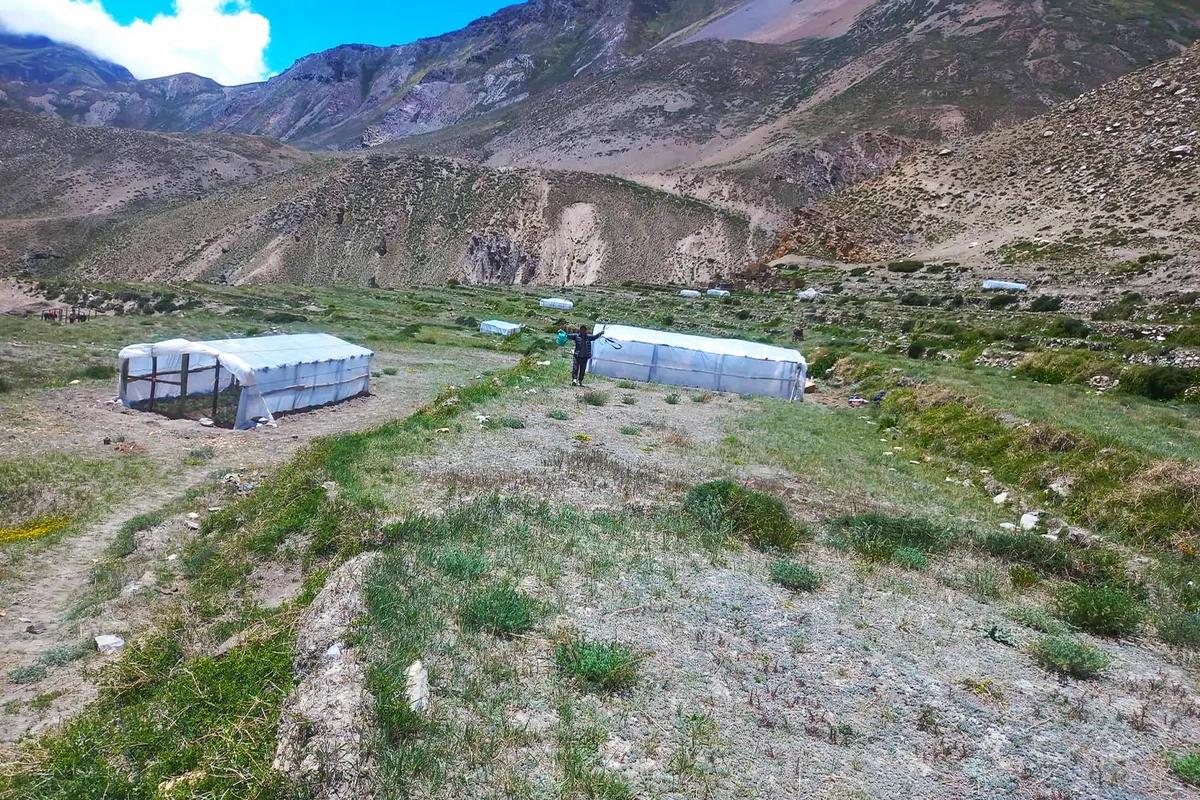
High in the Phu Valley, near the Tibetan border, communities are cultivating jimbu (Allium przewalskianum). This isn't just for flavor – it's a cash crop. And that cash crop is directly linked to protecting the "big cat of the mountains." Talk about a glow-up for a garnish.
We're a new kind of news feed.
Regular news is designed to drain you. We're a non-profit built to restore you. Every story we publish is scored for impact, progress, and hope.
Start Your News DetoxTraditionally, dried jimbu is fried in ghee (clarified butter) and then drizzled over simmering dal, infusing it with an earthy, almost oniony depth. Shailendra Thakali, a conservation and tourism expert, points out that the famous Thakali version of dal bhat owes its legendary status to this very herb. Before, locals would scramble up dangerous, steep slopes to gather it. Now, they're growing it. Which is significantly less perilous, and much more sustainable.
This shift means less reliance on traditional livelihoods that sometimes put communities in conflict with wildlife. More income from jimbu means fewer reasons to, say, overgraze livestock, which can deplete the prey base for snow leopards, leading to the big cats preying on domestic animals, and well, you can see where that escalates.
So, the next time you're enjoying a bowl of dal bhat, remember the humble jimbu. It's not just making your meal delicious; it's helping to keep one of the world's most magnificent, and endangered, creatures roaming free.