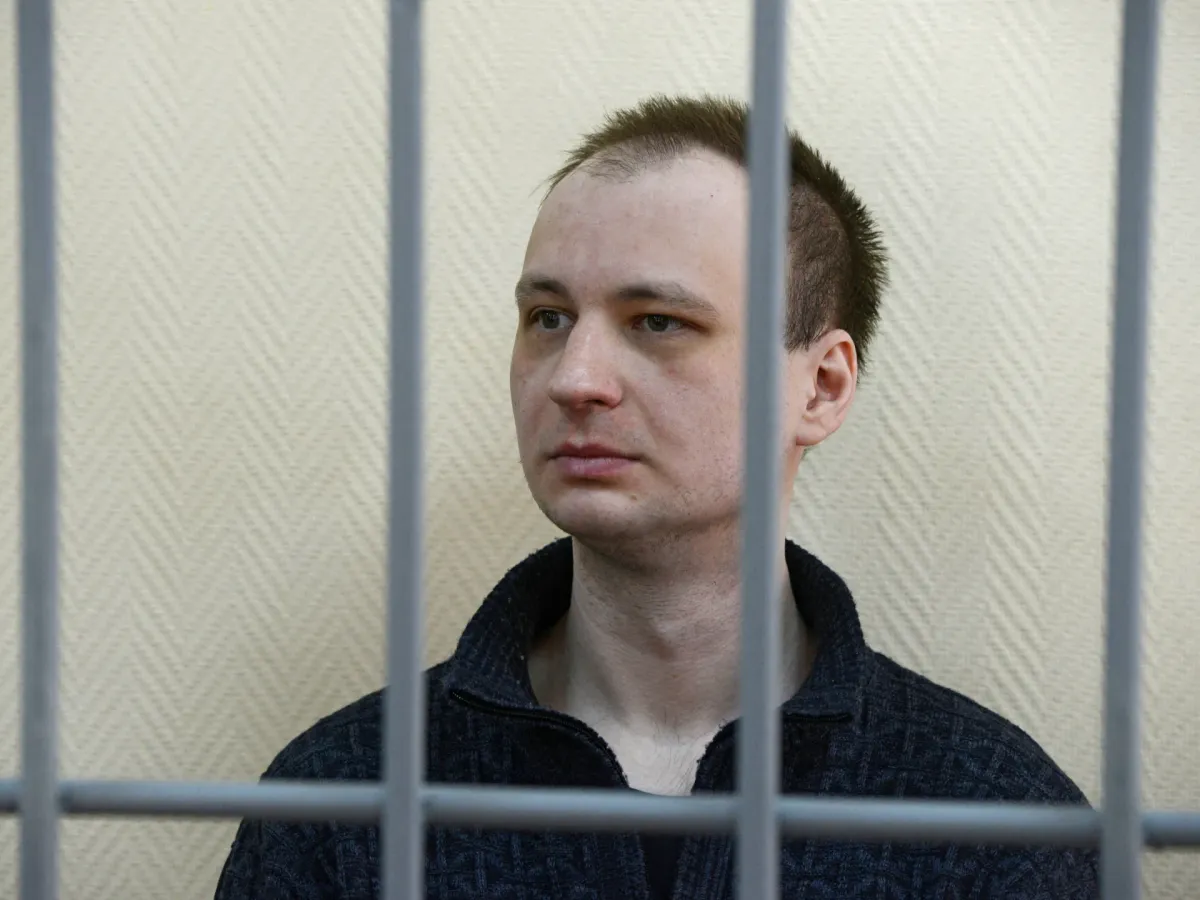
Venezuela, in a move that signals either a softening heart or some serious geopolitical arm-twisting, has just released 131 people previously designated as political prisoners. Apparently, the United States removing former President Nicolas Maduro from the picture has a way of encouraging national reconciliation.
On Friday, the interim government announced these individuals were granted "alternative measures from incarceration" under something called the Program for Peace and Democratic Coexistence. Which sounds less like a program and more like a very polite way of saying, "We're letting some people go, finally."
While opposition groups like Vente Venezuela confirmed 43 releases, and the Foro Penal rights group (who, bless them, track this stuff) reported "at least 40," the official number settled at a satisfying 131. Let that number sink in.
We're a new kind of news feed.
Regular news is designed to drain you. We're a non-profit built to restore you. Every story we publish is scored for impact, progress, and hope.
Start Your News DetoxUS Secretary of State Marco Rubio was quick to applaud, calling it "a crucial step for the nation’s reconciliation process." He also dropped the rather pointed observation that 1,046 Venezuelans have been released since the US had a hand in Maduro's detention back in January. Because apparently, that's where we are now.
Venezuela is currently under the leadership of Maduro’s former deputy, Delcy Rodriguez, though Washington’s influence is reportedly quite strong. Funny how that works.
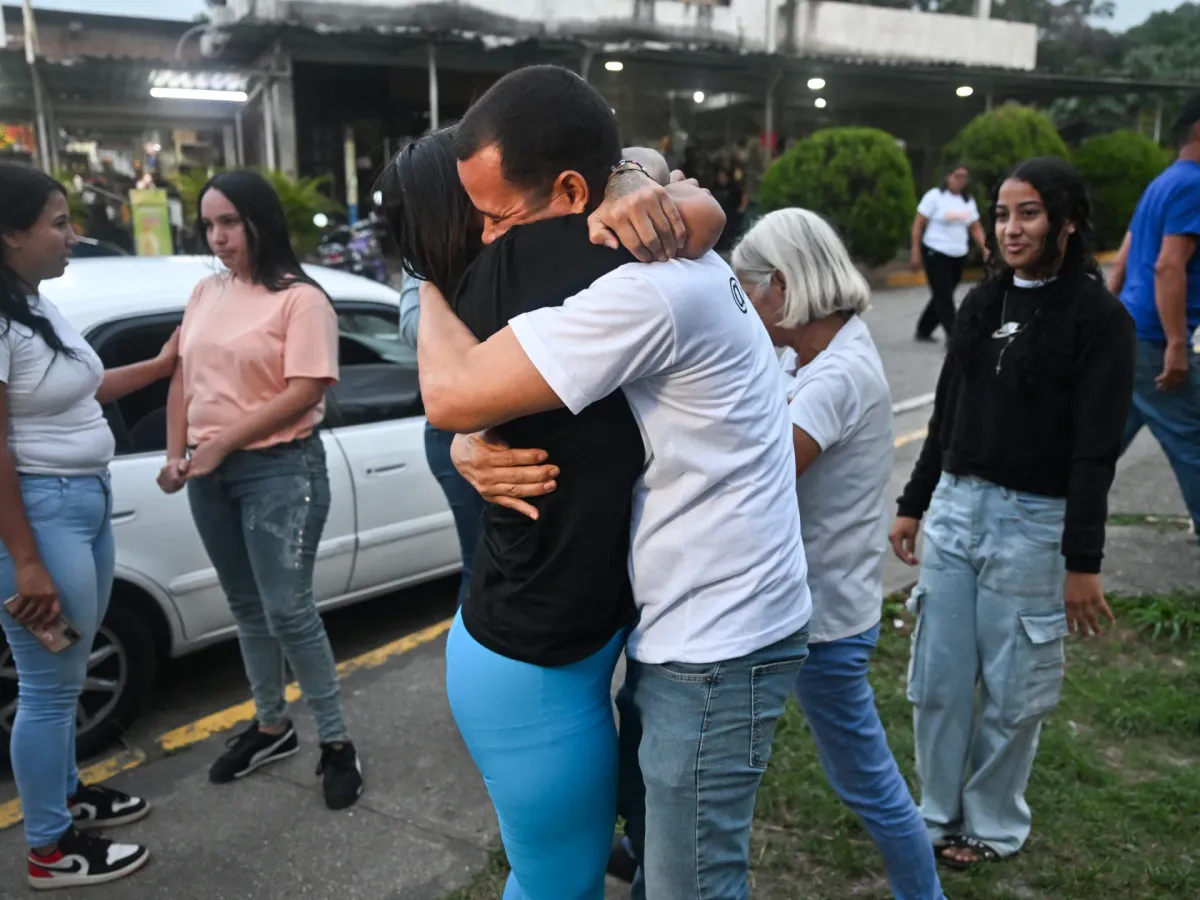
Former prisoners were spotted, blinking in the sunlight, reuniting with families outside El Rodeo I prison, about 31 miles east of Caracas. Among the 17 women freed, one had been accused of being part of a plot to assassinate Maduro. Which, if true, makes her release particularly interesting.
As of August 10, Foro Penal still had 391 political prisoners on their books. So, progress, but maybe not quite a full house.
Not Everyone's Cheering Unconditionally
Opposition figure Juan Pablo Guanipa, while welcoming the releases, wasn't about to throw a party just yet. He took to X (formerly Twitter) to express the "immense relief" each return home brings but stressed that a partial release just isn't cutting it. He wants all political prisoners freed, "without exception, without delay, and promptly." He also rather pointedly called for Venezuela to "close forever the door of torture centers." A subtle hint, perhaps.
The first round of US-brokered talks between the government and the opposition wrapped up last week. They managed to agree on working to get back frozen funds from overseas (presumably for earthquake recovery, not, you know, lavish parties) and reforming the justice system. Curiously, the joint statement didn't breathe a word about political prisoners, despite their release being a rather large elephant in the room.
Dinorah Figuera and National Assembly President Jorge Rodriguez are leading these reconciliation talks. Figuera, to her credit, has promised to keep fighting for more releases. Here's hoping these discussions lead to something resembling democratic elections, unlike Maduro's rather unpopular victories in 2018 and 2024, which many considered, shall we say, questionable.