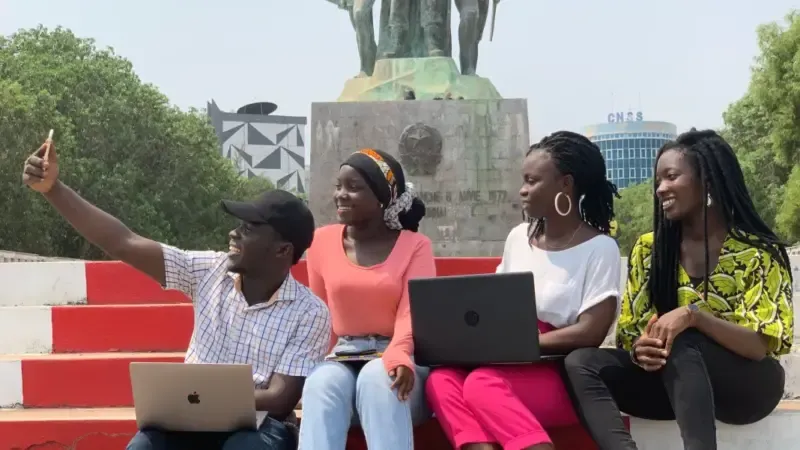
Artificial intelligence (AI) often makes headlines for its risks, like misinformation and deepfakes. But across Africa, young people are using digital tools to build peace. They are detecting conflicts early, fighting hate speech, and making communities stronger.
African Youth Lead the Way in Peacebuilding
A report from the Institute for Security Studies (ISS Africa) highlights how African youth are not just using AI, but also shaping how it's used for peace. They are creating information, building digital tools, and guiding conversations about conflict. This is a big shift, as discussions often focus on youth participation, but here the emphasis is on their expertise.
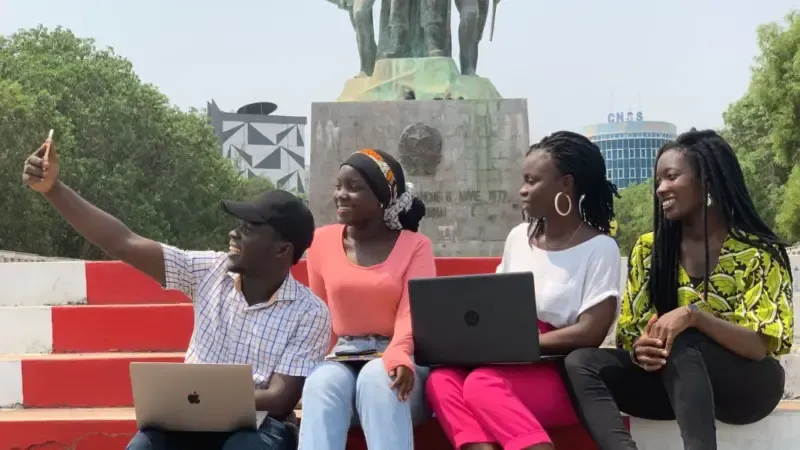
For example, Kenya's Ushahidi platform showed how people could report crises after the 2007–2008 post-election violence. More recently, iVerify, started in Zambia in 2021, trains young journalists to find and stop false information. It's now used in Sierra Leone and Liberia. Other youth-led projects use machine learning and community reports to watch elections and challenge false stories online.
We're a new kind of news feed.
Regular news is designed to drain you. We're a non-profit built to restore you. Every story we publish is scored for impact, progress, and hope.
Start Your News DetoxThe report stresses that technology works best when it supports human connections. Many successful examples combine digital platforms with face-to-face talks, community organizing, local radio, and peace education. Digital tools become powerful when they strengthen existing social networks, not replace them.
Challenges and Solutions for Digital Peace
Despite the progress, there are still barriers. Internet access is uneven across Africa, especially in rural and conflict areas. Women often face challenges in digital participation. Also, many AI systems don't represent African languages well. This limits their ability to understand local situations or spot harmful content accurately. AI systems trained mainly in English might miss harmful content in African languages. These issues are about inclusion and ensuring all voices are heard.

Understanding local stories and community dynamics is crucial for peacebuilding. The report suggests practical steps: better coordination between the African Union's peace and technology groups, more investment in digital skills and internet access, stronger ethical rules for AI, and ways for young people to directly help make peace and security policies.
While the report shows many encouraging projects, it also raises questions about their long-term impact. Which digital peacebuilding methods have truly reduced violence or built trust? As more money goes into AI for peace, these questions become vital.
The report also points out the tension between AI's promise and its potential misuse. Tools for early warning or conflict monitoring could also lead to more surveillance or limit public freedom if not properly overseen. Strong governance is essential because power needs accountability.

These points show that more research is needed as digital peacebuilding grows in Africa.
Investing in People, Not Just Technology
The policy brief reminds us that peacebuilding is about people, not just technology. AI can improve early warning systems and detect misinformation faster. But lasting peace comes from local knowledge, community priorities, and public trust.
Young people across Africa are showing what this future can look like. The challenge is for institutions to see them as equal partners in shaping it. For leaders and organizations, the message is clear: investing in digital peacebuilding means investing in the people who know their communities best. Africa's AI future will be strongest when technology amplifies local leadership, rather than replacing it.
Deep Dive & References
Can AI help build peace? African youth are showing a path forward - Global Voices, 2026