Apple, in a move that surprised approximately no one, has finally dragged Siri into the AI era. After years of watching other tech giants trot out their flashy chatbots, Cupertino just unveiled a major overhaul that promises to make your digital assistant less, well, basic.
Meet Siri AI, which will soon be available as a standalone app and integrated into everything from your Photos to your home screen search. The big news? It's not just doing cloud computations; it's also learning from your personal data – emails, texts, the whole digital enchilada. So, yes, it can now suggest dinner menus, pull addresses from a text thread, and organize your vacation photos without you lifting a finger. Which, if you think about it, is both impressive and slightly terrifying.
This glow-up has been a long time coming. While OpenAI's ChatGPT and Anthropic's Claude were busy writing sonnets and debugging code, Siri was still struggling with basic requests. Craig Federighi, Apple's senior VP of software design, used the Worldwide Developers Conference (WWDC) to deliver a subtle jab at the competition, noting that Apple is prioritizing usefulness and user privacy, rather than just chasing AI for AI's sake. A sentiment that probably made a few other tech CEOs shift uncomfortably in their ergonomic chairs.
We're a new kind of news feed.
Regular news is designed to drain you. We're a non-profit built to restore you. Every story we publish is scored for impact, progress, and hope.
Start Your News DetoxBen Bajarin, CEO of Creative Strategies, thinks this is a genuinely big deal, positioning Apple to bring advanced AI to a massive audience. Francisco Jeronimo from IDC agrees, suggesting Apple wants AI to feel so natural it just blends into your operating system. The goal? You won't even realize you're chatting with a robot; you'll just expect your phone to know things. Siri AI rolls out to U.S. English speakers later this year, with other languages to follow. Europe and China will have to wait, thanks to those pesky regulations.
Apple and Google: An Unlikely Alliance
To really supercharge its AI efforts, Apple has done the unthinkable: partnered with Google. Yes, that Google. The two announced a multi-year deal in January, meaning Google's formidable Gemini AI model will be doing some heavy lifting behind the scenes for Apple's systems. Daniel Newman, CEO of the Futurum Group, called this a "prove-it moment" for Apple, noting that the stock took a slight dip after the announcement, suggesting some investors found it less than inspiring.
Still, Newman sees the upside. There's a massive market for a smarter Siri. Plus, using Gemini means Apple doesn't have to sink quite as much cash into developing its own AI from scratch. Sometimes, even tech giants need a little help from their frenemies.
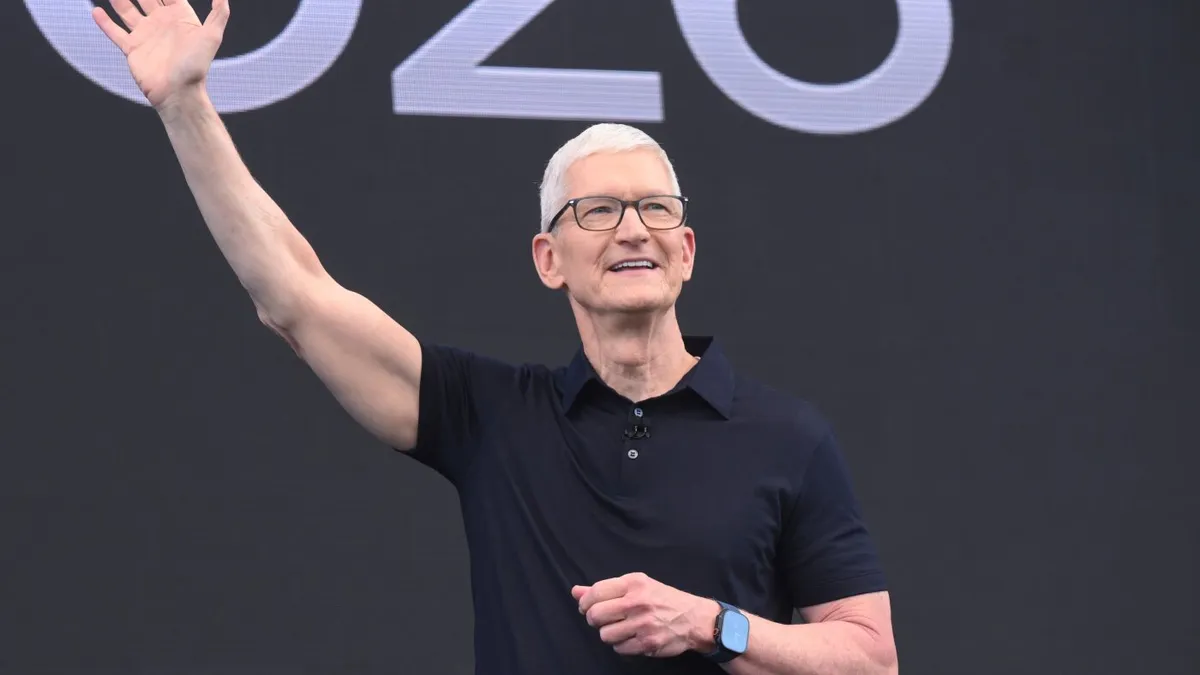
In other news from WWDC, Apple unveiled new parental controls, allowing guardians to lock down everything from website access to screen time. This comes as many AI and social media companies are facing legal heat for the impact on minors. Also, Tim Cook, after 15 years at the helm and a roughly 2,000% increase in Apple's share price, made what's likely his final WWDC appearance as CEO. John Ternus, who currently oversees hardware, will take the reins in September. Cook, despite some criticism for manufacturing reliance on China and a perceived lack of "wow-factor" innovation post-Jobs, ended with a classic: "the best is still ahead." Which, for Siri users, might actually be true this time.