Retrofitting a port with shore power can take years. A new UK company has found a way to skip the long wait. They developed a floating, hydrogen-powered platform that can supply clean energy to ships.
A Floating Power Solution
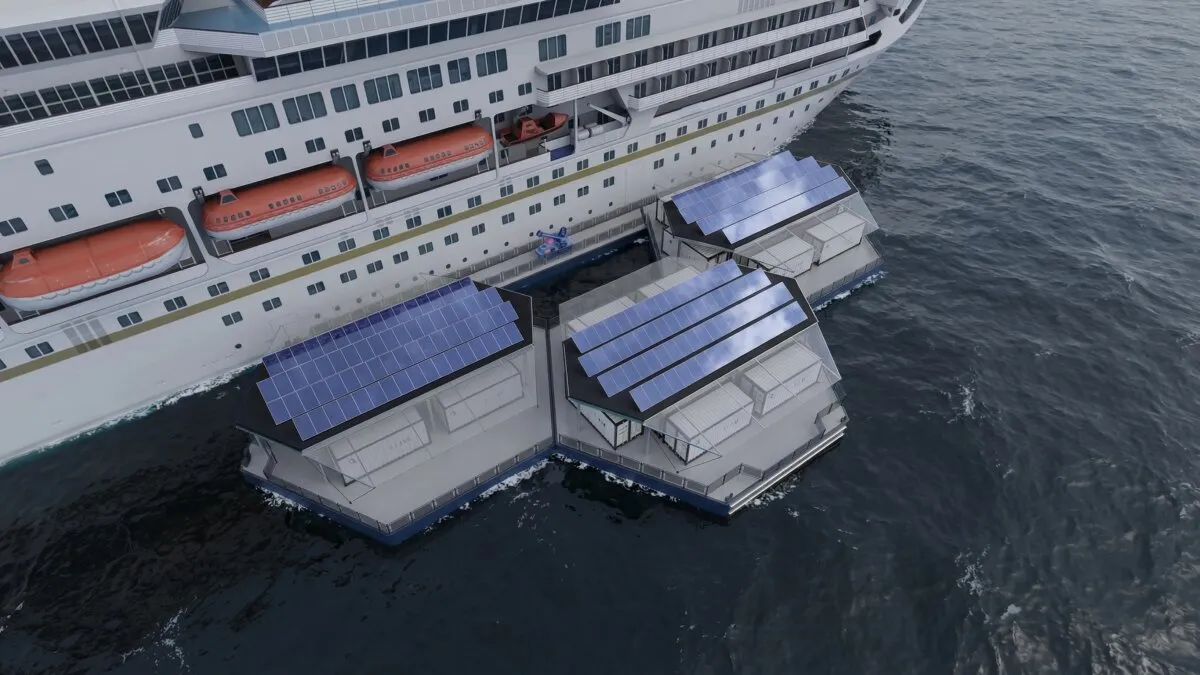
The Hydrogen Power Hub is a modular platform from a UK-led group called Elire Maritime. It recently passed six months of engineering trials. This means it's ready for use. The system can give up to 5 MW of continuous clean power to a docked ship. It doesn't need a grid connection or any port construction.
The platform has three hexagonal modules. Together, they cover about 1,200 square meters (12,917 sq ft). It can supply 91 MWh of energy each week when fully charged. This is enough for mid-size cruise ships. The system uses 1.3-MW hydrogen fuel cells. These cells turn hydrogen gas into electricity, with water as the only byproduct.
We're a new kind of news feed.
Regular news is designed to drain you. We're a non-profit built to restore you. Every story we publish is scored for impact, progress, and hope.
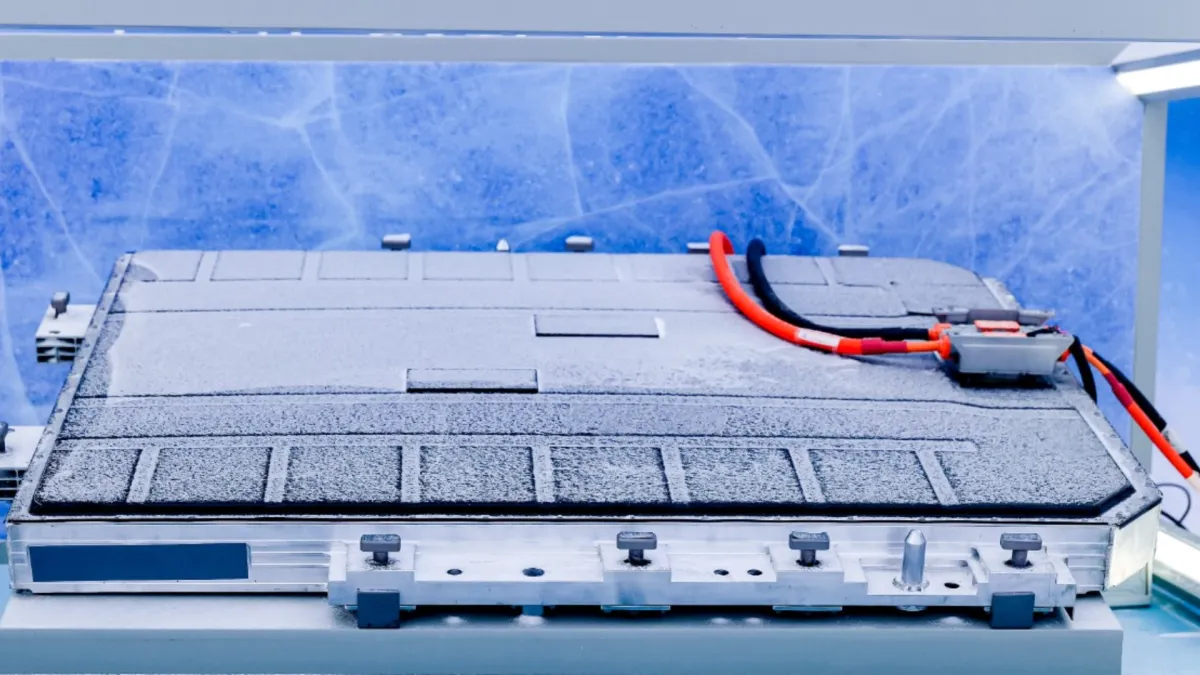
Start Your News DetoxThese fuel cells run all the time. They use between 7,500 and 8,000 kg (16,535 and 17,637 lb) of hydrogen per week. This slowly charges a 45-MWh battery bank on board. When a ship arrives, this stored energy can be quickly released, acting like a huge power bank. A solar array on the platform adds up to 146 kW of power. This helps the platform operate between hydrogen resupply visits, which happen about twice a week by a support vessel.
Cutting Emissions and Costs
Ships docked in port cities are a major source of pollution. Their diesel engines run to power onboard systems, releasing exhaust into the air. The Hydrogen Power Hub cuts port emissions by 77% compared to these diesel generators. It saves about 47 tonnes of CO2 per ship each week. It also removes harmful particulate pollution from cities.
A new hydrogen storage system from Rux Energy UK is a key part of the platform. It uses nanoporous materials, which are tiny pores that trap hydrogen molecules. This allows for compact, low-pressure storage. This method is safer and easier to manage than high-pressure tanks.
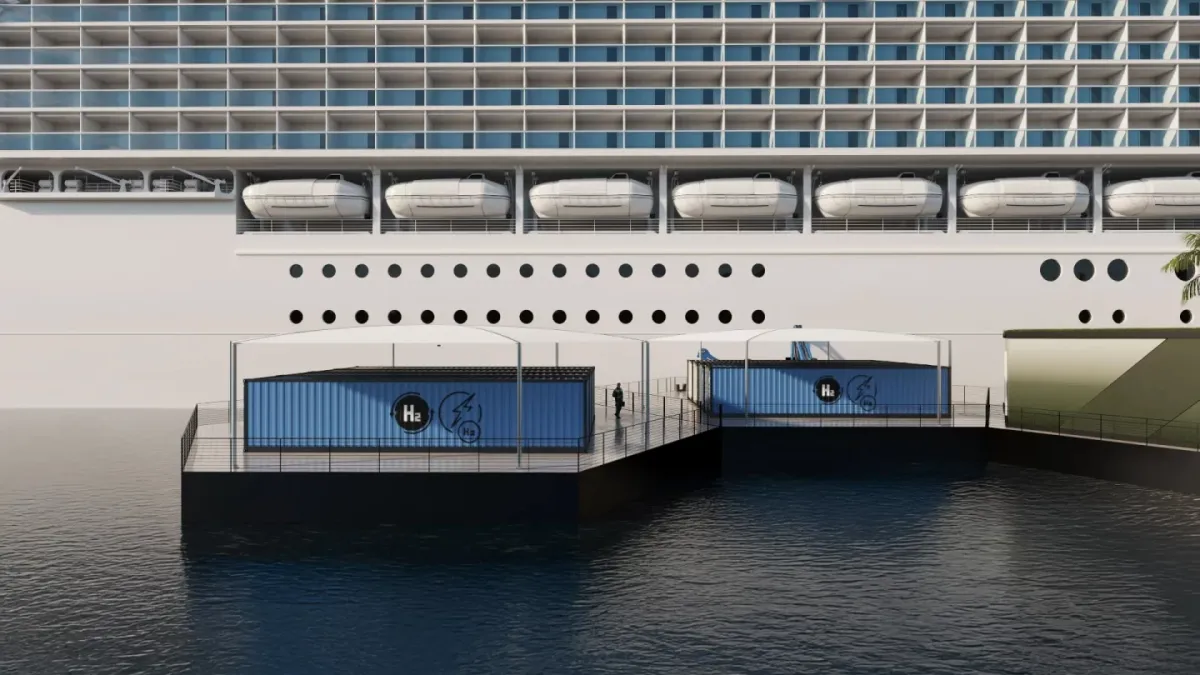
The University of Strathclyde tested the designs in wave tanks. They confirmed the platform's strength and connections would hold up in storms. Schneider Electric and Ricardo plc checked the electrical system. They confirmed it can work off-grid and meets hydrogen safety standards. Engineers found no technical issues for construction.
The main challenge is the cost. Hydrogen-generated electricity from this platform is estimated at £0.25–0.50 per kWh (about US$0.33 to $0.67). This is two to three times more expensive than grid power or diesel, which costs £0.15–0.25 (about $0.20 to $0.33). However, supporters say its speed and flexibility are big advantages. The platform can be quickly assembled, deployed, and moved as shipping routes change. This avoids the risk of expensive, fixed port infrastructure becoming useless.
Luke Jenkinson, founder and CEO of Elire Maritime, noted that ports need to reduce carbon emissions but face big infrastructure problems. He said their system is practical, scalable, and can deliver clean power where it's most needed.
The consortium received funding from the UKRI Clean Maritime Demonstrator Competition. They are now talking with ports in London, Singapore, Hamburg, Brisbane, and Riga. These ports are under pressure to cut emissions but cannot stop operations for years of construction.
Deep Dive & References: Elire Maritime consortium validate world-first hydrogen power hub that can power ships without the - Elire Maritime