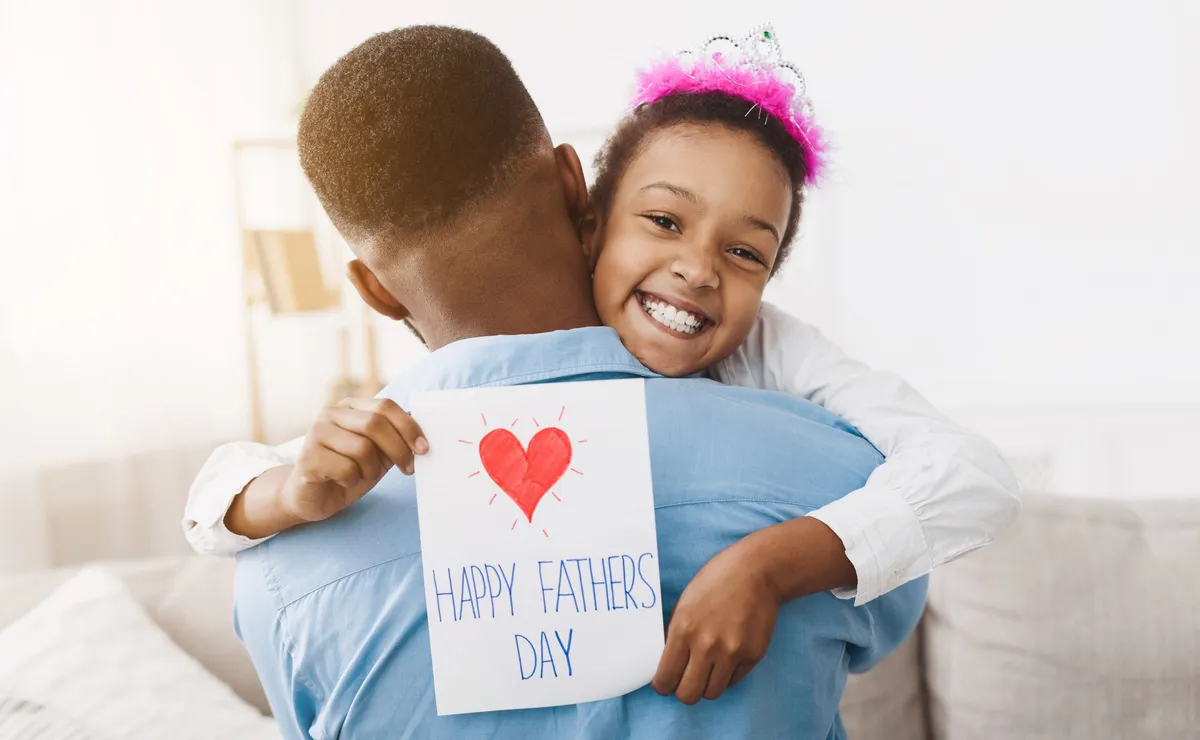
You know Mother's Day, right? Officially recognized in 1914. Sweet, sentimental, flowers. Done. Father's Day? That took a bit longer. Like, 58 years longer. It finally became a national holiday in 1972, but for decades, the idea was met with the kind of resistance usually reserved for fruitcake at Christmas.
Which, if you think about it, is deliciously ironic. Society in the early 1900s was practically run by men. Yet, a day to celebrate them? Many found the whole concept a little… emasculating.
The Audacity of Sentimentality
Imagine the scene: early 20th century, men in charge, handlebar mustaches probably involved. Someone suggests a day for dads, similar to the one for moms. The reaction? A collective scoff. Historians note that many men saw the holiday as an attempt to "domesticate manliness." Essentially, they worried it would turn them into glorified house plants, demanding flowers and emotional displays.
We're a new kind of news feed.
Regular news is designed to drain you. We're a non-profit built to restore you. Every story we publish is scored for impact, progress, and hope.
Start Your News DetoxPlus, there was this prevailing attitude: we're already in charge. Why dedicate a special day to the undisputed authority figures of the household? It felt redundant, and perhaps, a little too close to begging for appreciation. Which, for a man of that era, was apparently worse than a root canal.
The Women Who Insisted on Dad Day
While men were busy scoffing, two women were quietly, persistently, making Father's Day happen. First, there was Grace Golden Clayton in 1908. After a devastating mining disaster in West Virginia left hundreds of children fatherless, she organized a tribute. It was heartfelt, local, and didn't quite catch fire nationally.

Then came Sonora Smart Dodd. Raised by a single father in Spokane, Washington, she was inspired by the burgeoning Mother's Day movement. "Dads deserve some love too," she probably didn't say, but definitely thought. In 1910, Spokane held its first official Father's Day celebration. Churches preached about fatherhood, and boys wore roses, because apparently, even then, boys could wear roses without fear of domestication.
Decades of Presidential Head-Scratching
Despite these early champions, Father's Day remained stubbornly unofficial. Congress repeatedly shot it down. Even presidents like Woodrow Wilson and Calvin Coolidge, men who knew a thing or two about authority, couldn't push it through. It was a long, strange legislative journey.
Things finally started moving in the mid-century. President Lyndon Johnson, in 1966, issued an executive order declaring the third Sunday in June as Father's Day. An executive order! Still not a law. It took another six years, and President Richard Nixon, to finally sign it into law in 1972. Let that satisfying number sink in: 1972.

Interestingly, the Great Depression and World War II actually helped the cause. During the Depression, retailers saw a chance to sell "practical gifts" (read: ties and socks). And during WWII, it became a way to honor soldiers and support families. Because nothing says "we appreciate you" like a holiday that encourages consumer spending and wartime morale.
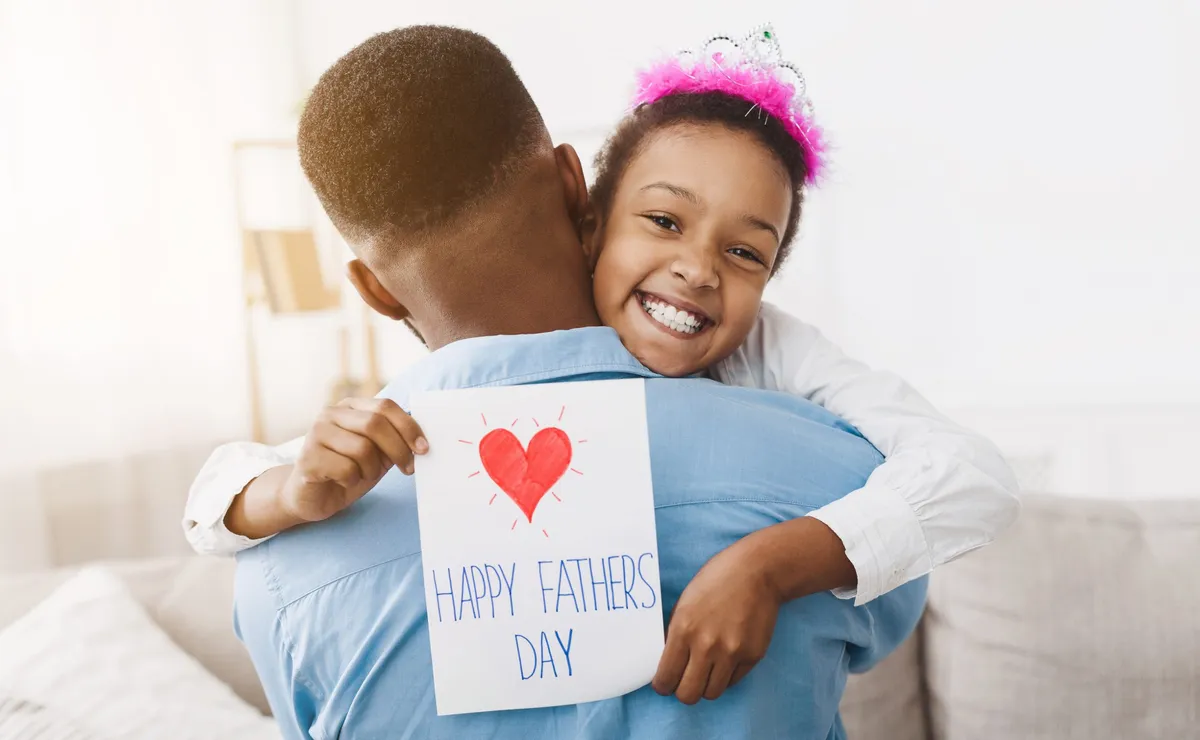
Today, Father's Day is less about avoiding sentimentality and more about celebrating the evolving role of dads. They're not just providers; they're emotional supports, LEGO builders, bedtime story readers, and barbecue masters. It’s a day to acknowledge the many ways men show up for their families. Which, if you think about it, is a pretty good reason to finally embrace the sentiment.