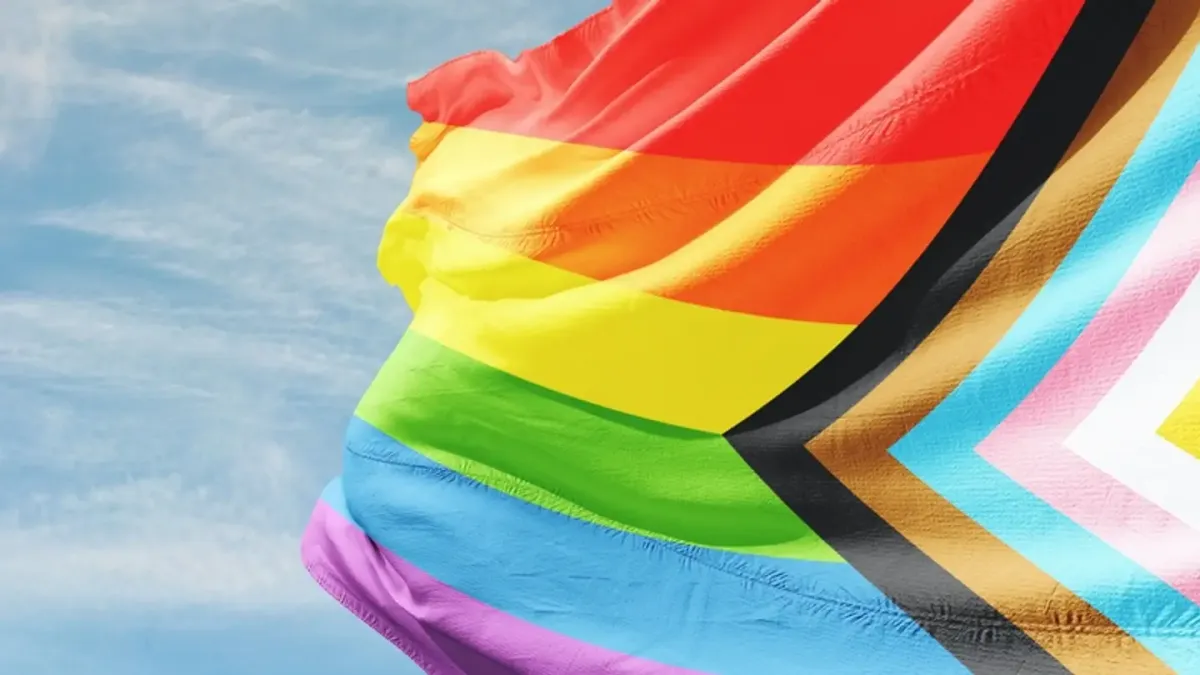
The acronym LGBTQ+ stands for lesbian, gay, bisexual, transgender, and queer (or sometimes questioning). Each letter represents a rich history of struggle and reclamation. The "L" comes first for a powerful and heartbreaking reason: the heroic actions of lesbians during the AIDS crisis in the 1980s.
Why the "L" Is First: A Legacy of Heroism and Care
Before the mid-20th century, non-heterosexual people were usually called "gay." As discussions about identity grew, acronyms like "GLB" and "GBLT" appeared to describe the queer community in more detail.
The American Psychological Association notes that the acronym changed to LGBT because of the early AIDS crisis. Some healthcare workers refused to care for AIDS patients, who were often gay men. Many lesbians stepped up to provide care for these men and others with AIDS.
We're a new kind of news feed.
Regular news is designed to drain you. We're a non-profit built to restore you. Every story we publish is scored for impact, progress, and hope.
Start Your News DetoxDuring the AIDS crisis, many lesbian nurses and caregivers supported gay men suffering from the disease. These men were often rejected by their families and denied care. This was especially true early on, when many wrongly believed AIDS only affected gay men.
Lesbians often advocated for healthcare reforms and raised awareness about AIDS. They organized life-saving blood drives when many gay men were not allowed to donate. They also volunteered for hospice care and offered companionship to people at the end of their lives.
Their contributions helped create a more unified queer community. Many activists and organizations then began putting the "L" before the "G" in "LGBT" to honor the work of lesbians during this time.
The History of the LGBTQ+ Acronym
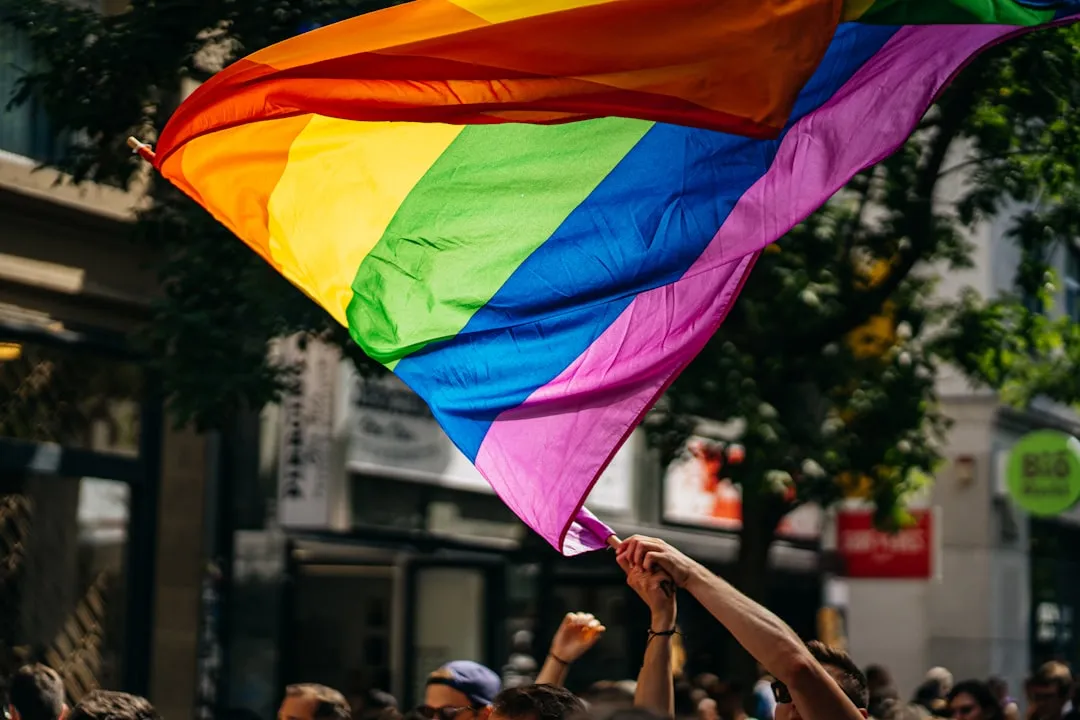
Until the mid-20th century, people attracted to the same sex were often called "homosexual." This was a clinical term and was often used negatively.
The word "gay," which meant happy, became popular in the 1940s and 1950s. PBS notes it became a code word for gay men to identify each other. By the 1960s, "gay" started to be used with a sense of pride as the LGBTQ+ rights movement grew.
The word "lesbian" is much older than "gay." It means "someone from the Greek island of Lesbos." It became linked to Sappho, a female poet from Lesbos around 600 BCE. She wrote love poems dedicated to women.
The term "lesbian" was first used for homosexual women in the 1800s and also became popular in the 1960s.
Evidence of people who changed genders or did not fit one gender goes back thousands of years and across cultures. However, the word "transgender" first appeared in 1971.
In recent years, the LGBTQ+ acronym has continued to grow. The "Q" stands for "queer," an umbrella term for anyone whose gender or sexual identity is outside societal norms. It can also mean "questioning" for those unsure of their identity.
The "L" being first reminds us of the care networks that have supported queer communities. These networks often provided vital help when families were not accepting. Today, it shows the power of solidarity in the face of struggle and discrimination.