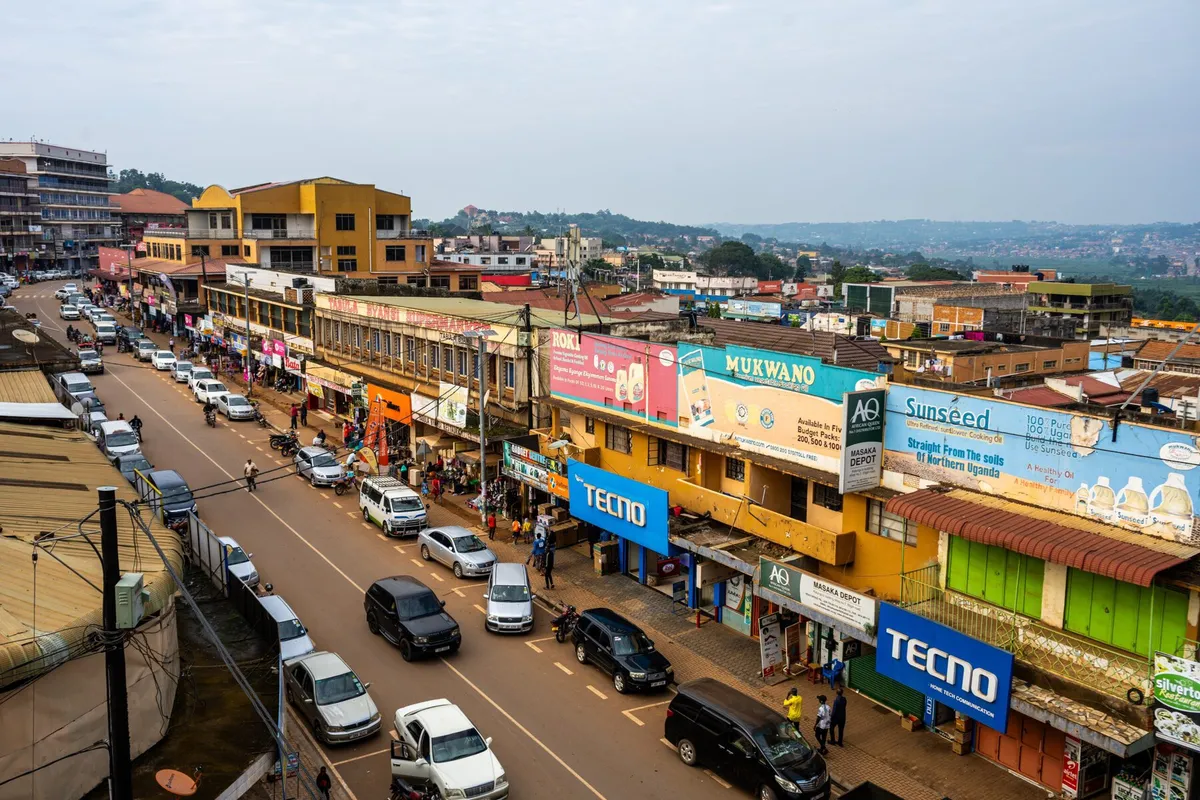
Each morning, a line forms outside Masaka City Hall in Uganda. Young people wait, seeking jobs, growing businesses, or complaining about city issues. Many are under 25, and about 43% of Ugandans aged 15 to 24 are not in school, working, or training. These young people want their concerns addressed.
Inside, Winfred Nansikombi coordinates the Masaka Youth Desk. This office has become a busy spot for young people to share ideas and frustrations with city officials. Nansikombi notes that even when frustrated, they still come, showing they believe change is possible.
Across Africa, young people are asking for more jobs and a bigger say in decisions. As cities get younger, local governments often struggle to meet these demands. In Masaka, a fast-growing city, these pressures are central to how the city is run.
We're a new kind of news feed.
Regular news is designed to drain you. We're a non-profit built to restore you. Every story we publish is scored for impact, progress, and hope.
Start Your News DetoxThe Masaka Youth Desk: A Bridge to Opportunity
The Masaka Youth Desk is a small but growing part of the city government. It helps young residents communicate with local leaders. It's a place where young people can bring their complaints and ideas directly to city officials. Nansikombi calls it "a place where government and the young meet."
Masaka is a young city, full of energy from its youth, but also facing many challenges because of them. Mayor Florence Namayanja, the first woman elected mayor in 2021, believes the city cannot plan without focusing on young people.

Masaka attracts traders and job seekers, but job growth hasn't kept up with the number of young people entering the workforce. Martha Nalukenge, an SDG officer at Equator University of Science and Technology, says young people need places to be heard and connected to opportunities.
Mayor Namayanja wanted to rebuild trust between young residents and the city. Through the Strong Cities Network, Masaka officials learned new ways to involve youth in decision-making. This led to the creation of the Youth Desk in 2024.
Connecting Youth to Training and Solutions
Brian Kato, 22, had low expectations when he visited the Youth Desk. He had struggled to find stable work after finishing secondary school. A friend told him the desk could connect people to opportunities.

The desk connected Kato to a carpentry training program. He learned to make furniture, which gave him a new skill and a sense of progress. His story shows how the desk helps young people access training and support.
The Youth Desk also helps young people find existing programs and opportunities. Staff keep a list of job seekers, share job openings, and connect residents to vocational training. They also help with applications for government funding programs like the Youth Livelihood Programme, which aims to reduce youth unemployment. Young entrepreneurs get guidance on applications and are linked to partner organizations.
The desk also helps city officials hear directly from young residents. Staff organize community dialogues and neighborhood meetings where young people can discuss issues like unemployment, safety, mental health, and access to services. These concerns are then shared with city leaders. Nansikombi says the desk helps young people feel that government is not distant.
Anthonio Kalyango experienced this firsthand. He was selected through the Youth Desk to receive a $50,000 grant from Bloomberg Philanthropies. This grant helped him expand a project that trains young people to protect local wetlands. Kalyango noted that the Youth Desk helped turn ideas into action.
Mayor Namayanja says the desk also gives young people a role in solving city problems. She believes it helps youth turn their visions into real solutions for the city.
While not every problem has a quick fix, the desk offers hope. Aisha Nalubega, 19, raised concerns about safety for young women walking home on poorly lit streets. Although the lights haven't all been fixed, the experience gave her hope because her concerns were heard and discussed.
Nalukenge believes the desk's biggest success is making young people feel heard and seen. This builds trust and a sense of belonging within the government. Despite budget limits and ongoing challenges, young people continue to visit city hall. This shows that in a city where many felt ignored, the Youth Desk is making a difference.