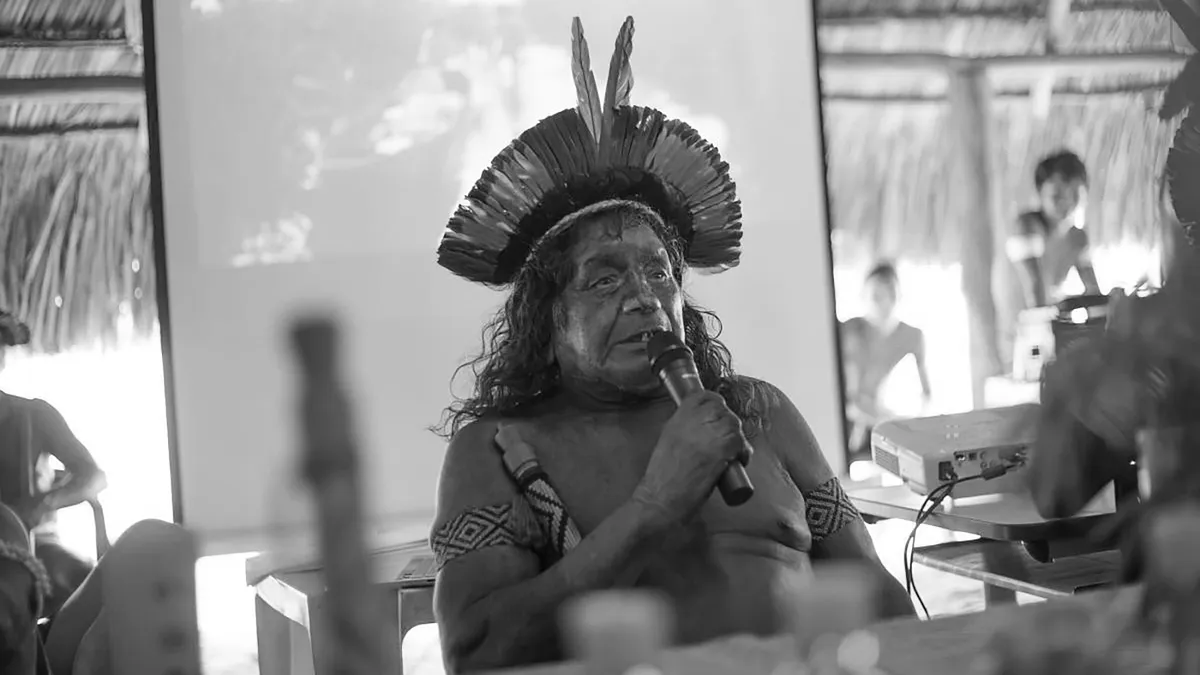
Imagine the ultimate bad neighbor: not just loud music, but crop dusters spraying chemicals over your backyard. That was the reality for Khuiusi Khisêtjê and his people, the Khisêtjê, in Brazil's Xingu region. For years, they watched soy farms creep closer, the forest line shrinking, until planes were routinely dousing fields right up against their Wawi Indigenous Territory.
Reports of itching, diarrhea, weak crops, and streams turning cloudy became alarmingly common in Khikatxi village. Even wild animals started to smell faintly of farm chemicals. It was less a warning sign and more a full-blown chemical siren.
So, in 2018, Khuiusi made a rather dramatic decision: pack up the entire village and move ten kilometers deeper into the forest. Because apparently that's where we are now — relocating an entire community to escape agricultural drift. Moving house is a pain; moving an entire village, rebuilding homes, clearing paths, and replanting gardens from scratch? That's a Herculean effort.
We're a new kind of news feed.
Regular news is designed to drain you. We're a non-profit built to restore you. Every story we publish is scored for impact, progress, and hope.
Start Your News DetoxBut Khuiusi had seen this movie before. He'd lived through the painful, forced relocations and land loss that almost erased his people in previous generations. He knew when it was time to cut bait and run for safer ground. This latest move was just another chapter in a life dedicated to the sheer, stubborn survival of his community.
Khuiusi passed away on July 3rd in Goiânia, around 80 years old, having witnessed his people nearly vanish. He was born into a world where the Khisêtjê lived freely among rivers, forests, and savannas — lands that would eventually become the Xingu and Wawi Indigenous Territories. Then came the outsiders, bringing disease, violence, and the kind of forced displacement that makes you wonder if humanity ever really learns.
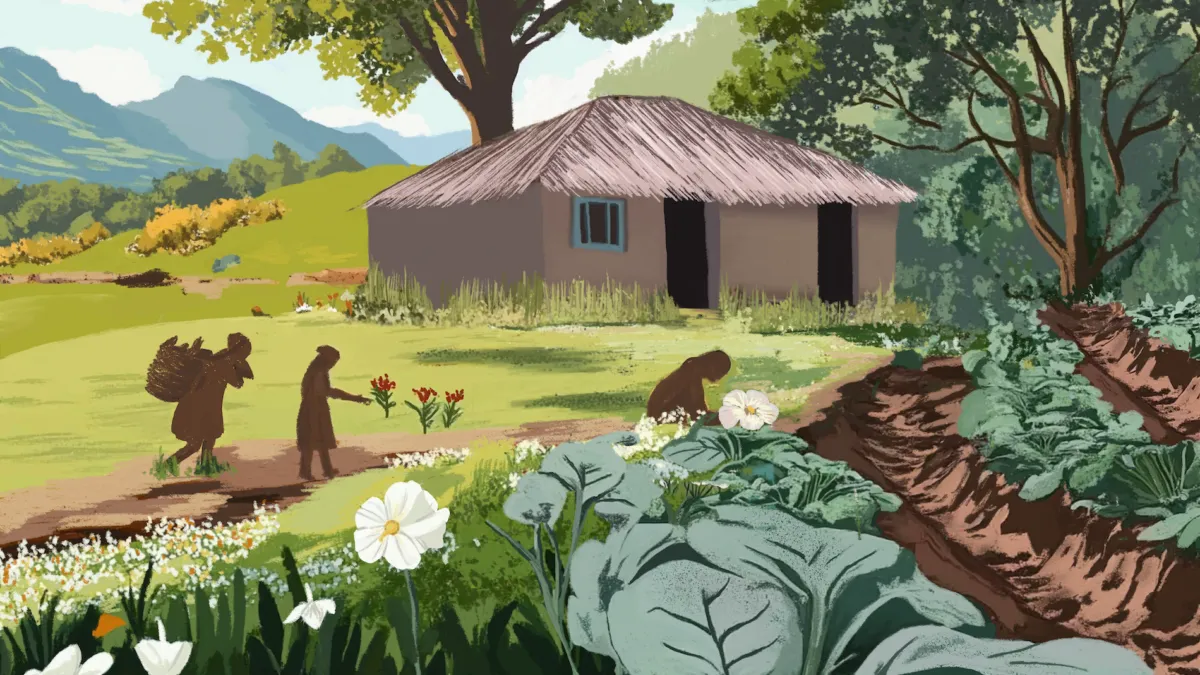
His legacy isn't just about moving a village; it's about a relentless fight for a future, one ten-kilometer step at a time.