Today, it felt like the world was quietly revealing its secrets, one scientific breakthrough or restored artifact at a time. From the microscopic dance within our cells to the grand, sweeping vistas of conservation, the common thread was a deeper understanding emerging from long-held mysteries.
The Unseen Mechanics of Life and the Cosmos
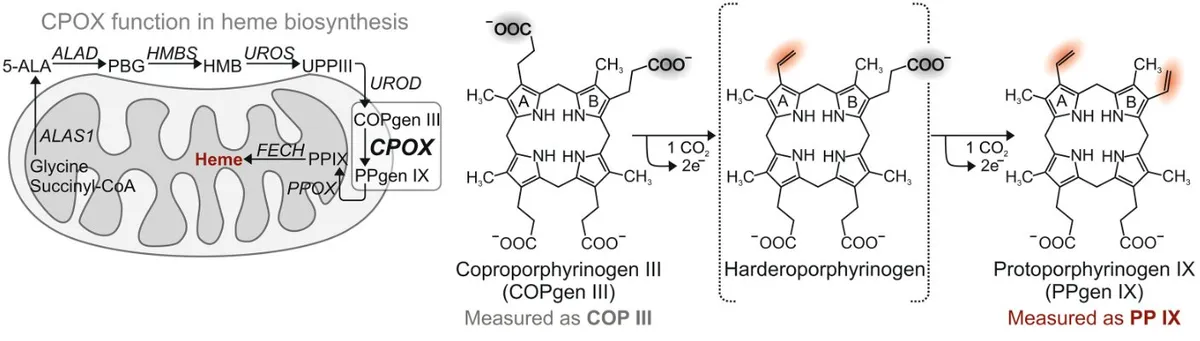
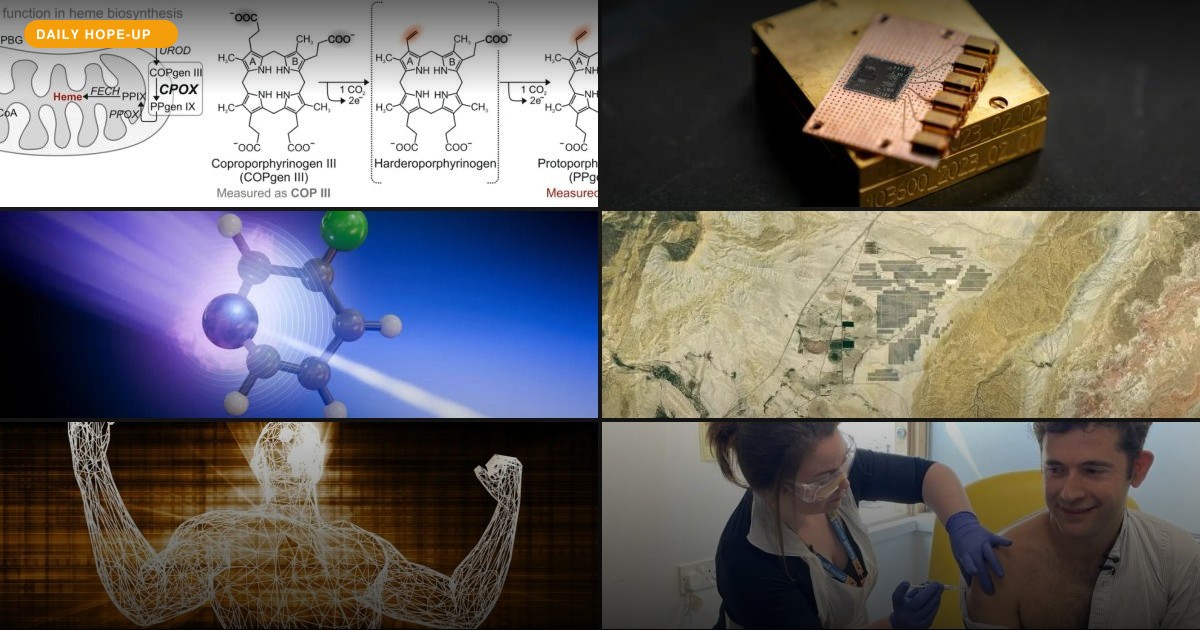
Sometimes the biggest revelations come from the smallest places. Take the University of Cologne, where researchers Julia Racho and Dylan Stobbe peered into the mitochondria, those cellular powerhouses. They didn't just find a new process; they discovered a previously unknown link that rewrites the rules of cell energy. This isn't just lab talk; understanding how cells manage energy and repair themselves could open doors to combating aging and disease.
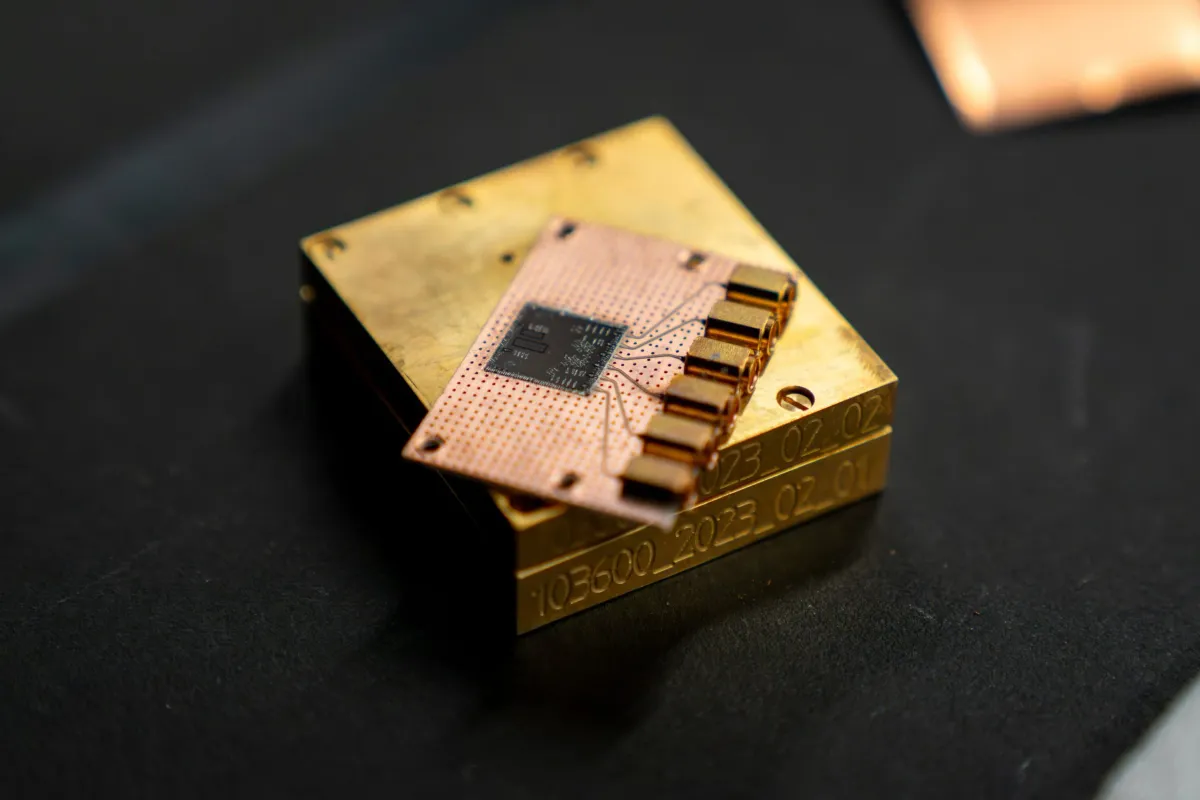
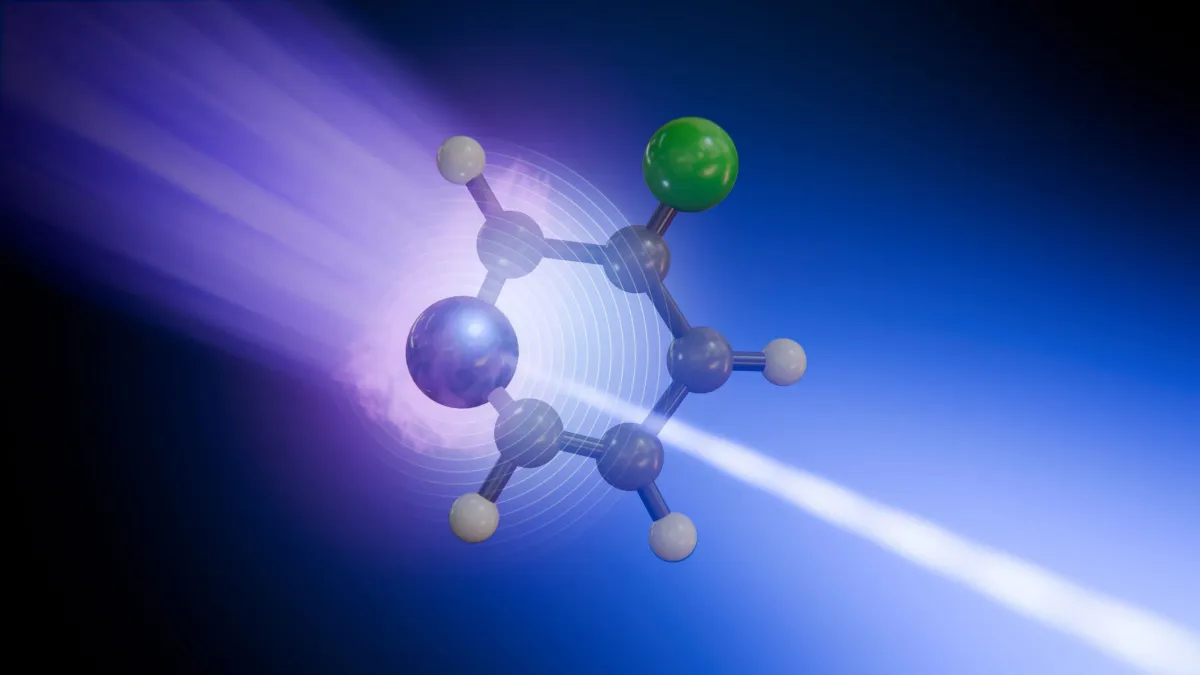
Meanwhile, out in the vastness of space, physicists at ISTA spent two decades chasing a quantum theory, finally confirming a long-standing prediction about quantum entanglement. And then there are the chemists, who are now so adept at observation they can watch molecules twist, bend, and vibrate, atom by atom. These aren't just academic curiosities; they are foundational insights that will fuel the next generation of medicine, materials, and technology. If you've been waiting for science to truly 'see' how things work, this week just handed you a microscope.
We're a new kind of news feed.
Regular news is designed to drain you. We're a non-profit built to restore you. Every story we publish is scored for impact, progress, and hope.
Start Your News Detox"The coral had been declared dead in 2019. Five years later, it's not just alive — it's spawning." — Read the full story
Unearthing What Was Always There
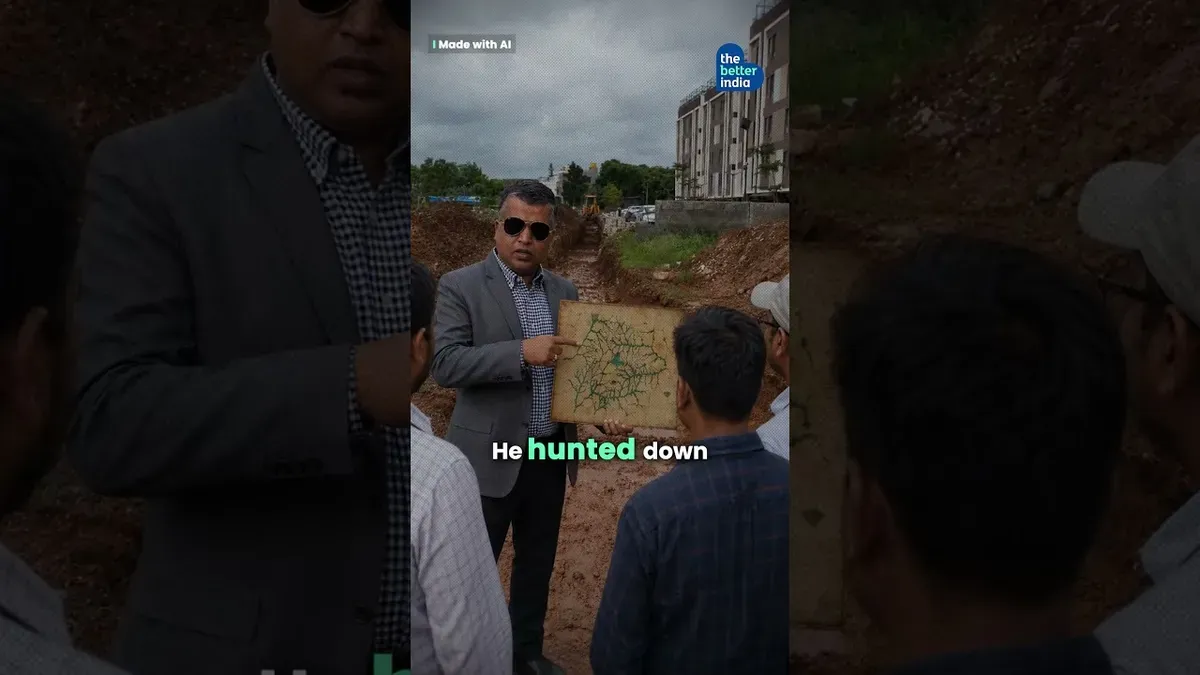
Sometimes the future is built on rediscovering the past. In Bengaluru, Captain Santhosh Kumar looked at the city's annual monsoon floods and realized the problem wasn't the rain, but a solution buried since 1923 — forgotten storm drains. By clearing these, Bengaluru is literally unearthing its own resilience. This isn't just about infrastructure; it's a reminder that sometimes the answers we need are already waiting, just beneath the surface, if we bother to look.
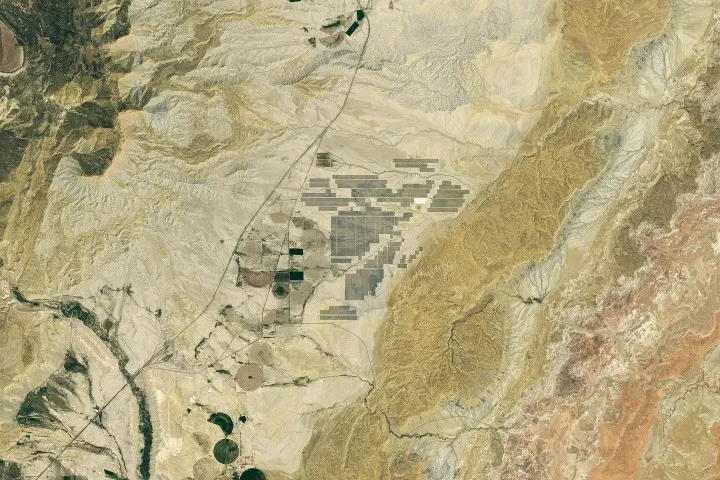
We saw a similar theme play out in Utah, where a million solar panels just replaced coal in Castle Valley, a region historically defined by mining. This isn't just a switch; it's a profound re-imagining of an entire regional economy, proving that a cleaner future doesn't have to mean abandoning the past's work ethic, only its methods. If you've ever felt overwhelmed by modern problems, remember that solutions often lie in revisiting history or simply looking closer at what's already around you.
People Protecting the Planet (and its Past)
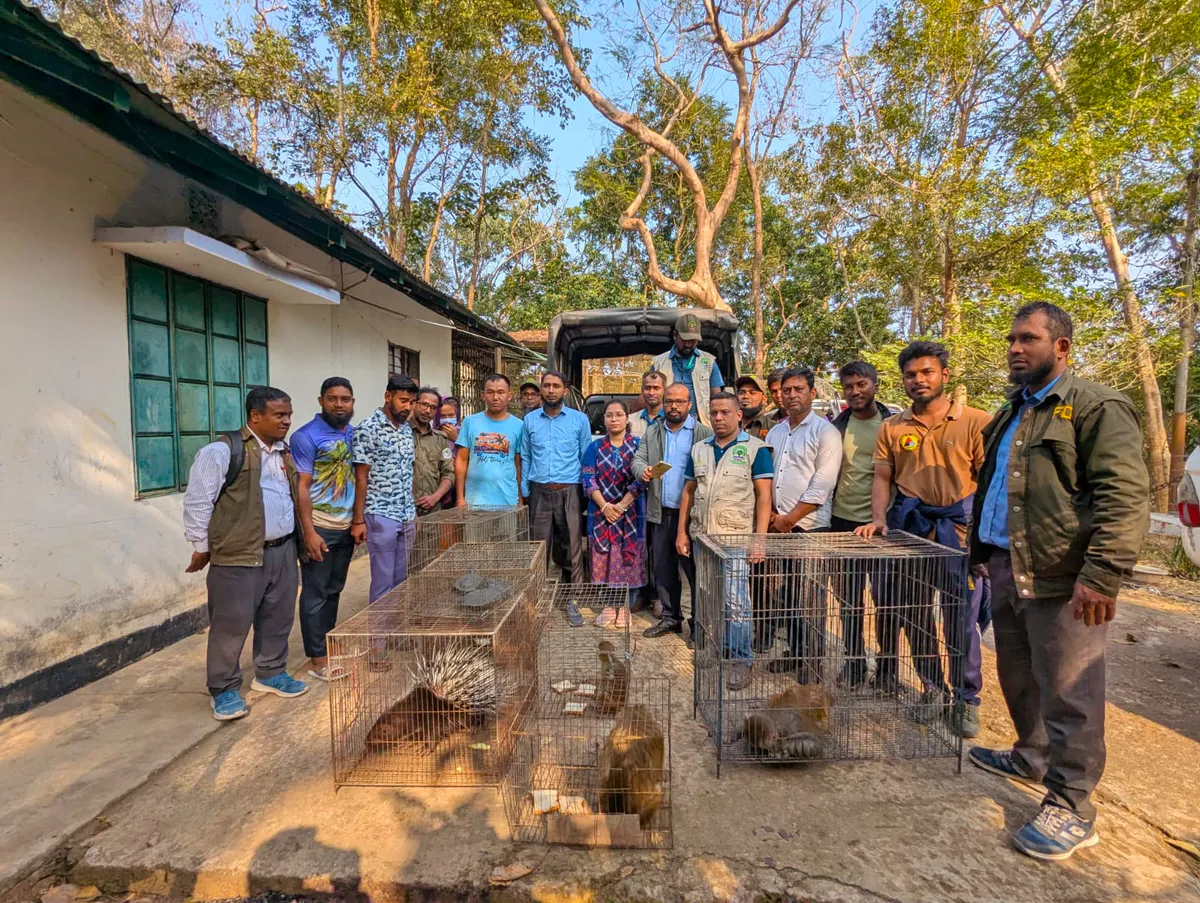
Around the world, individuals and communities are proving that active guardianship makes all the difference. In Bangladesh, a handful of volunteers are acting as undercover heroes against wildlife crime, stepping up where state resources might fall short. These aren't paid professionals; they're passionate citizens making a tangible impact. And half a world away, the FBI returned some really old, really important axes to Indonesia, recognizing the invaluable cultural heritage they represent. This isn't just about law enforcement; it's about acknowledging that cultural identity and ecological health are intertwined and worthy of protection.
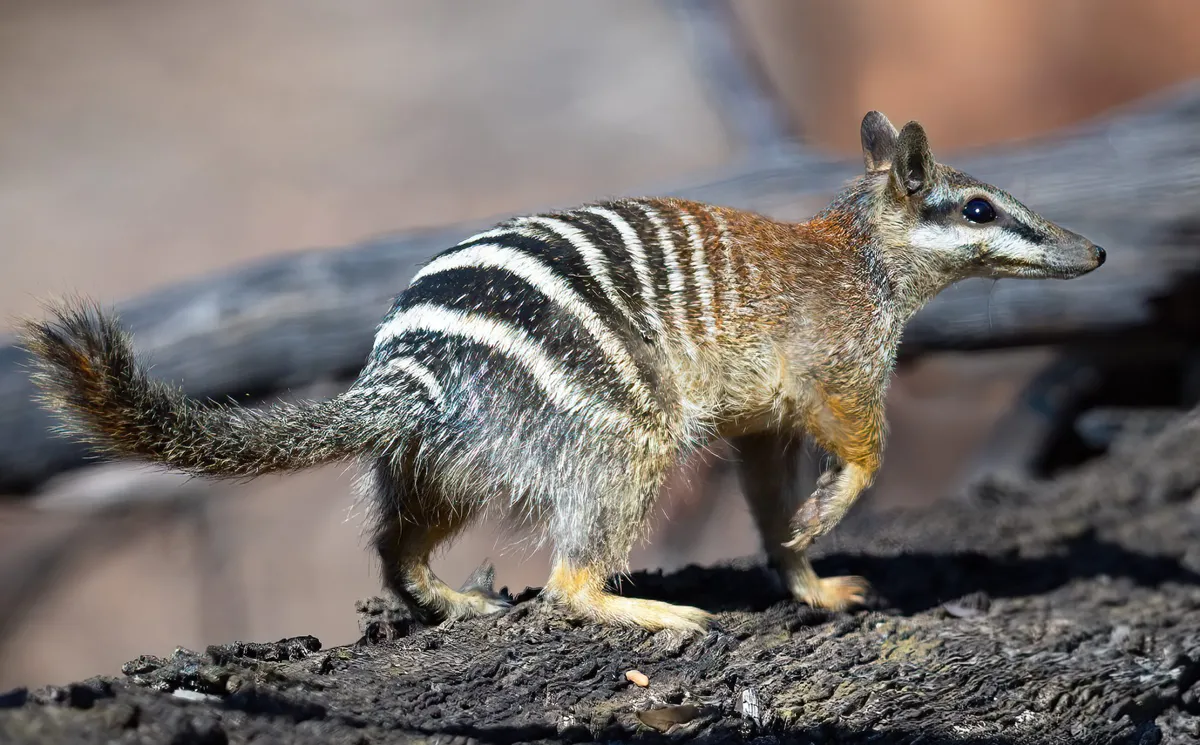
Hope stat: 3,000 — the population of Australia's adorable numbat, up from just 300 after dedicated conservation efforts.
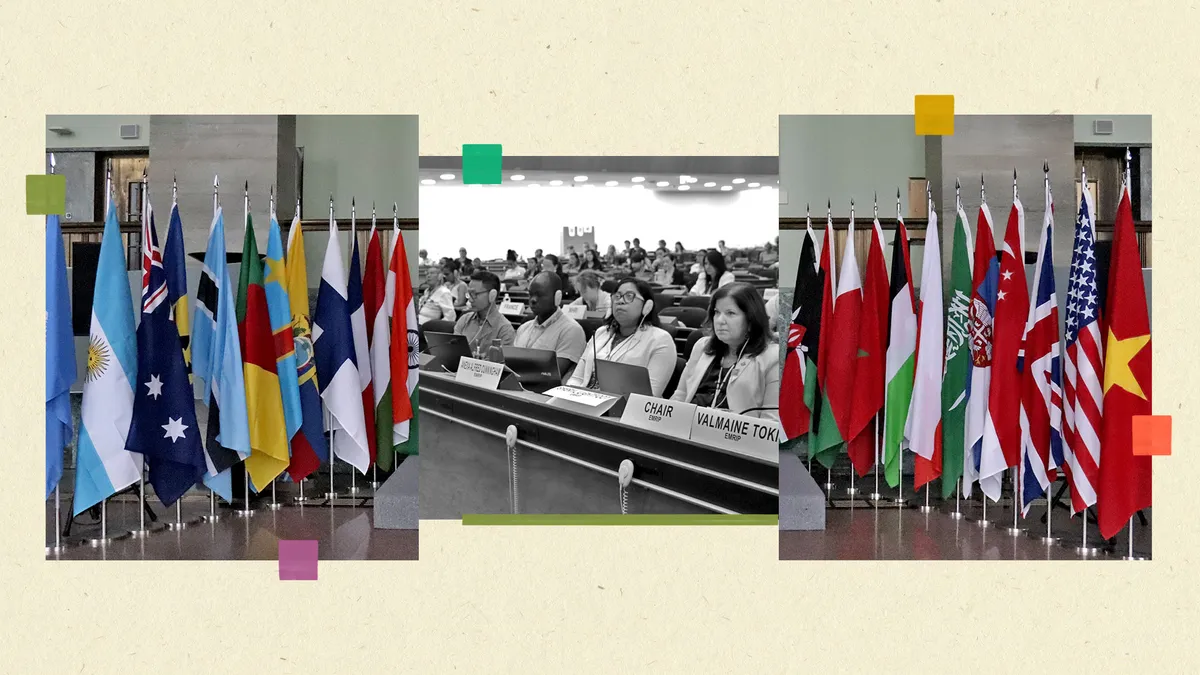
Watch this space: Indigenous leaders are presenting a 12-point plan to the UN, a roadmap for protecting their people and their lands.