Here's a fun paradox: The more we crank the air conditioning in our cities, the hotter the streets get. AC units, in their valiant effort to keep us from melting indoors, simply suck that heat out and dump it right back onto the sidewalk. Which, naturally, makes us want more AC. It's a deliciously ironic cycle, and researchers at the University of Manchester are looking for a way out.
Their solution? The very thing that falls from the sky and usually just clogs gutters: rainwater.
The Smart Sprinkler System
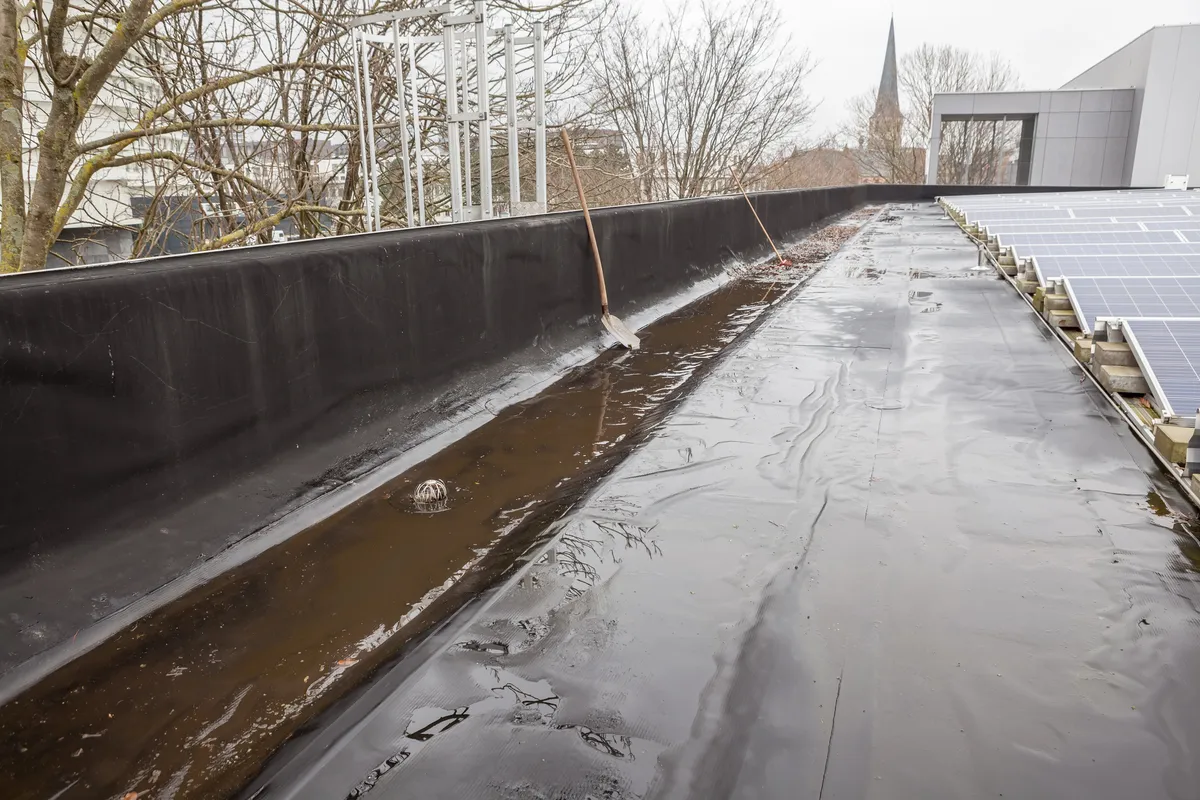
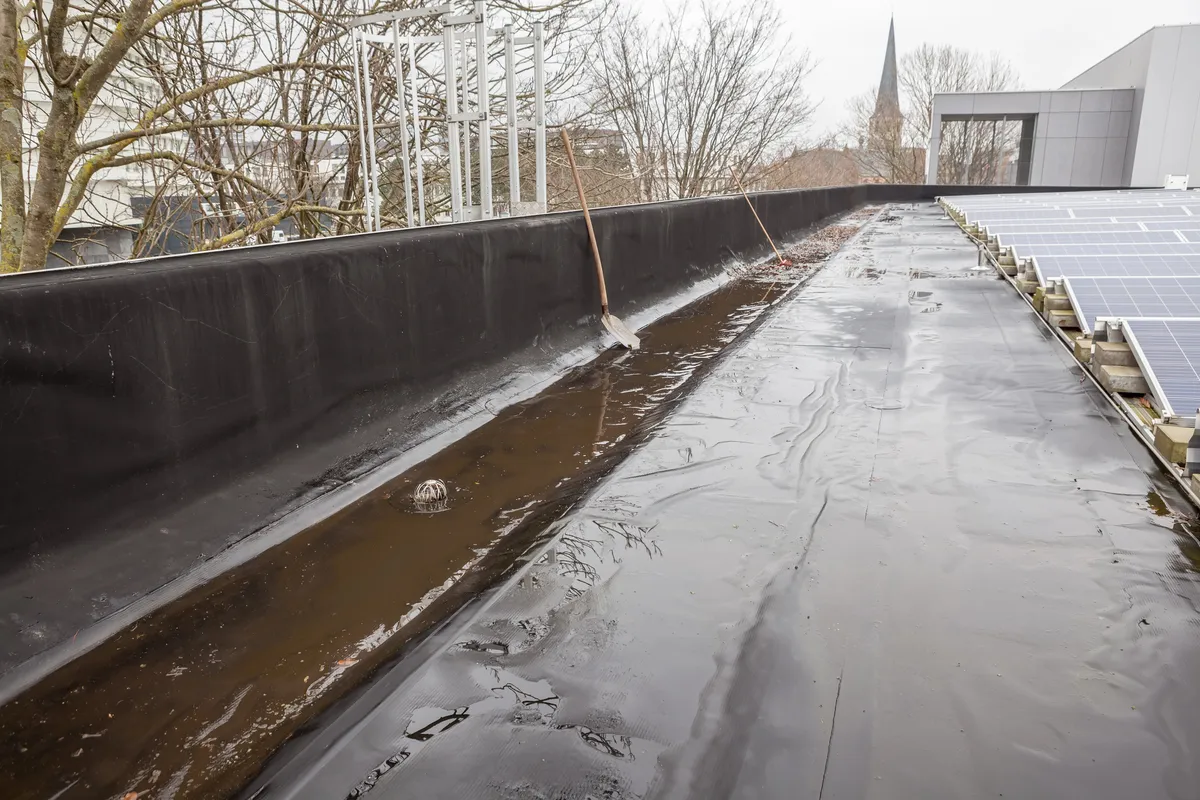
A new study, published in Earth’s Future, proposes a surprisingly elegant system. Imagine rooftop tanks collecting rainwater. When temperatures climb, these tanks automatically mist the building's surface. That wet roof then cools through evaporation, like sweat off your brow. Less heat penetrates the building, the AC works less, and less of that delightful waste heat gets spewed back onto the unsuspecting streets. A win-win, if ever there was one.
We're a new kind of news feed.
Regular news is designed to drain you. We're a non-profit built to restore you. Every story we publish is scored for impact, progress, and hope.
Start Your News DetoxThe team modeled this idea using Tokyo, a city that knows a thing or two about urban heat, but the concept is easily adaptable for any concrete jungle.
Interestingly, the study found that when the sprinklers activate is far more crucial than how much water they use or the tank size. Giant tanks and excessive spraying offered only marginal gains. It turns out, water that doesn't evaporate just sits there, offering zero additional chill. Timing, as they say, is everything.

Dr. Zhonghua Zheng, the lead author, points out that while AC is a lifesaver in extreme heat, it's also an energy hog that contributes to the very problem it solves. Harvesting rainwater for cooling, he suggests, could cut both energy demand and city temperatures. Suddenly, a rainy day feels a lot more productive.
The Global AC Addiction
Just how much energy are we talking? In 2022, keeping our spaces cool guzzled about 2,100 terawatt-hours of electricity worldwide – roughly 7% of all global power. The International Energy Agency expects that number to nearly triple in the next three decades, hitting 5.5 billion AC units globally. Let that satisfying number sink in.
This isn't just about straining power grids; it's also about emissions. And refrigerant leaks. The hydrofluorocarbons and hydrochlorofluorocarbons commonly used in AC units can trap thousands of times more heat than CO2. While the EU and UK are phasing these out for more natural alternatives like propane, propane's flammability makes widespread installation a bit trickier. Because apparently that's where we are now: debating whether our AC units should come with a fire extinguisher.

More Rooftop Rescues
The Manchester study isn't alone in looking to rooftops for relief. A 2024 study from UCL and the University of Exeter explored what would have happened if London had simply painted all its rooftops white during the scorching summer of 2018. That summer saw average temperatures hit 19.2 degrees Celsius (66.6 degrees Fahrenheit) – a full 1.6 degrees Celsius (nearly three degrees Fahrenheit) above normal. Their model suggested widespread cool roofs could have dropped the city's average air temperature by almost a full degree Celsius.
Dr. Charles Simpson, the lead author from UCL, notes that if enough cities adopted cool roofs, it could significantly lower ground-level air temperatures, saving lives and improving quality of life. Which, if you think about it, is both impressive and slightly terrifying: a coat of paint could literally save lives.
Rainwater harvesting and cool roofs are different approaches to the same sweltering problem. One uses evaporation, the other reflection. Neither requires reinventing the wheel or building complex new infrastructure. The necessary surfaces are already right there, just waiting for a little ingenuity – and maybe a fresh coat of white paint.