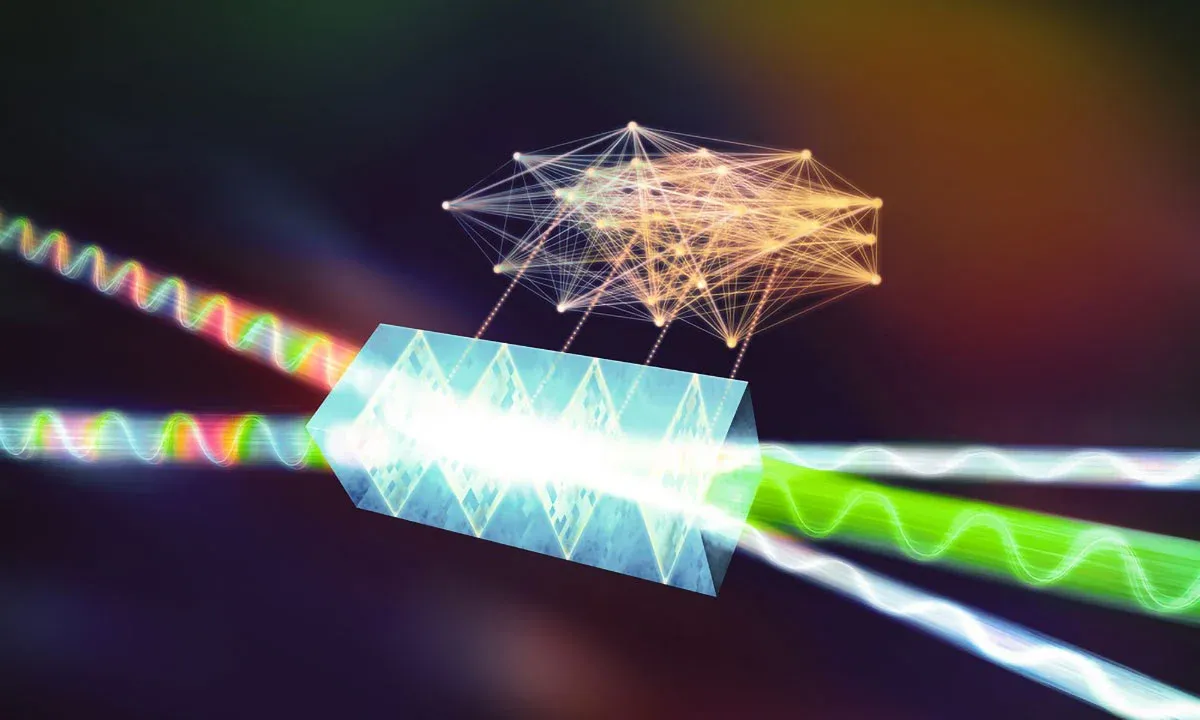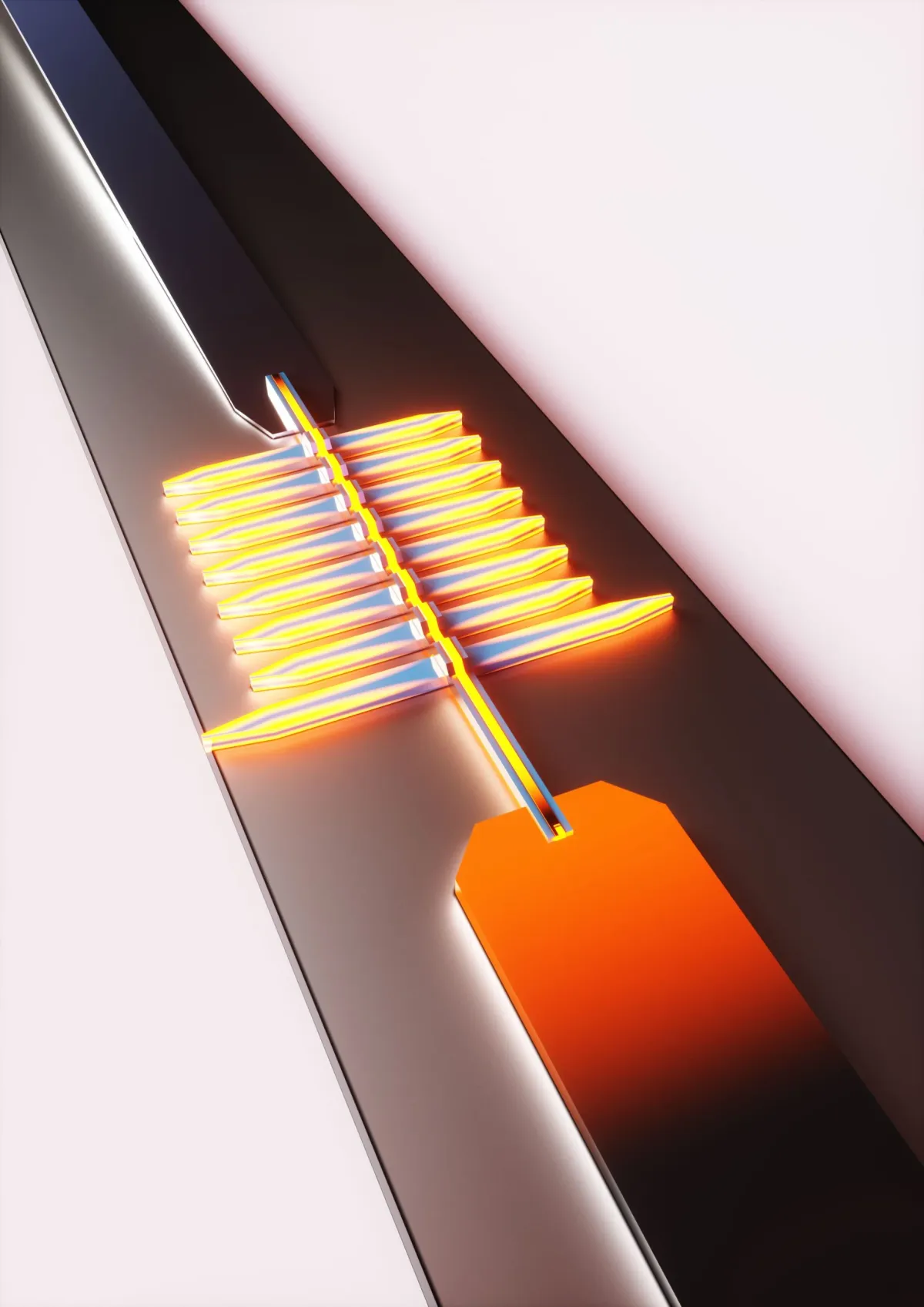
Scientists in Finland have created a quantum sensor that can measure incredibly tiny amounts of energy. This new tool could help advance quantum computing and the search for dark matter.
The sensor is so sensitive it can detect less than a trillionth of a billionth of a joule. This level of precision might eventually allow scientists to count individual photons, which are particles of light.
Measuring Tiny Energy Pulses
Quantum mechanics deals with extremely small scales. Researchers are always working to create more precise tools to study particles like photons. Better measurements could improve quantum technologies. They could also help scientists find hypothetical dark matter particles called axions.
We're a new kind of news feed.
Regular news is designed to drain you. We're a non-profit built to restore you. Every story we publish is scored for impact, progress, and hope.
Start Your News DetoxResearchers in Finland used a very sensitive heat-based sensor called a calorimeter. They measured energy levels below one zeptojoule. One zeptojoule is a trillionth of a billionth of a joule. To give you an idea, this is about the energy needed to lift a red blood cell one nanometer in Earth's gravity.
Academy Professor Mikko Möttönen at Aalto University led the research team. They worked with quantum computing company IQM and the Technical Research Centre of Finland (VTT). Their findings were published in Nature Electronics.
How the Sensor Works
Measuring such small amounts of energy is very difficult. The researchers sent a microwave pulse into a sensor. This sensor was made from two types of metals: superconductors and standard conductors. Superconductors let electrical signals move freely. Standard conductors create resistance.
Möttönen explained that this mix of metals makes superconductivity very fragile. It weakens if the temperature in the ultracold conductor rises even a tiny bit. This makes the setup extremely sensitive. Möttönen is also a founder of the quantum computer company IQM.
After removing background noise, the researchers confirmed the device detected an electromagnetic pulse. This pulse carried just 0.83 zeptojoules of energy. The team says this is the first time a calorimetric device has reached this level of sensitivity.
Impact on Quantum Technology and Dark Matter
The researchers believe this technology could eventually make it possible to count individual photons. Möttönen noted that reaching this sensitivity has been a long-term goal in both quantum research and astrophysics.
He explained that they want the setup to measure input that arrives at any time. This is important for things like detecting dark-matter axions in space, where you don't know when they might reach your system.
Möttönen also said the calorimeter is useful for quantum computing. It works at the same ultracold millikelvin temperatures that qubits need.
He added that a calorimeter operating at these temperatures causes less disturbance. They don't have to heat the device or amplify the qubit signal to get a result. In the future, this device could help read out qubits in quantum computers.
The team used facilities at OtaNano, Finland’s national research infrastructure for nano-, micro-, and quantum technologies. The Jane and Aatos Erkko Foundation and the Technology Industries of Finland Centennial Foundation funded this research.
Deep Dive & References
Zeptojoule calorimetry - Nature Electronics, 2026