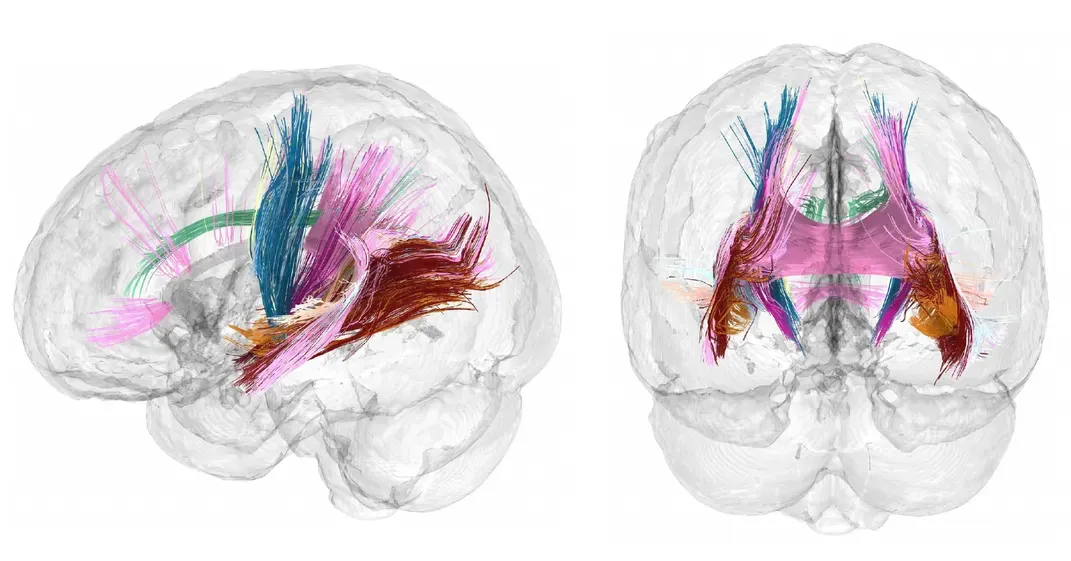
Your brain might build memories by cutting connections, not by adding them. The hippocampus, a key brain area for memory and navigation, helps turn short-term experiences into lasting memories. Researchers led by Magdalena Walz and Peter Jonas at ISTA studied this area.
Their recent work, published in Nature Communications, looked at how a main neural network in the hippocampus changes after birth.
How the Brain Builds Memory
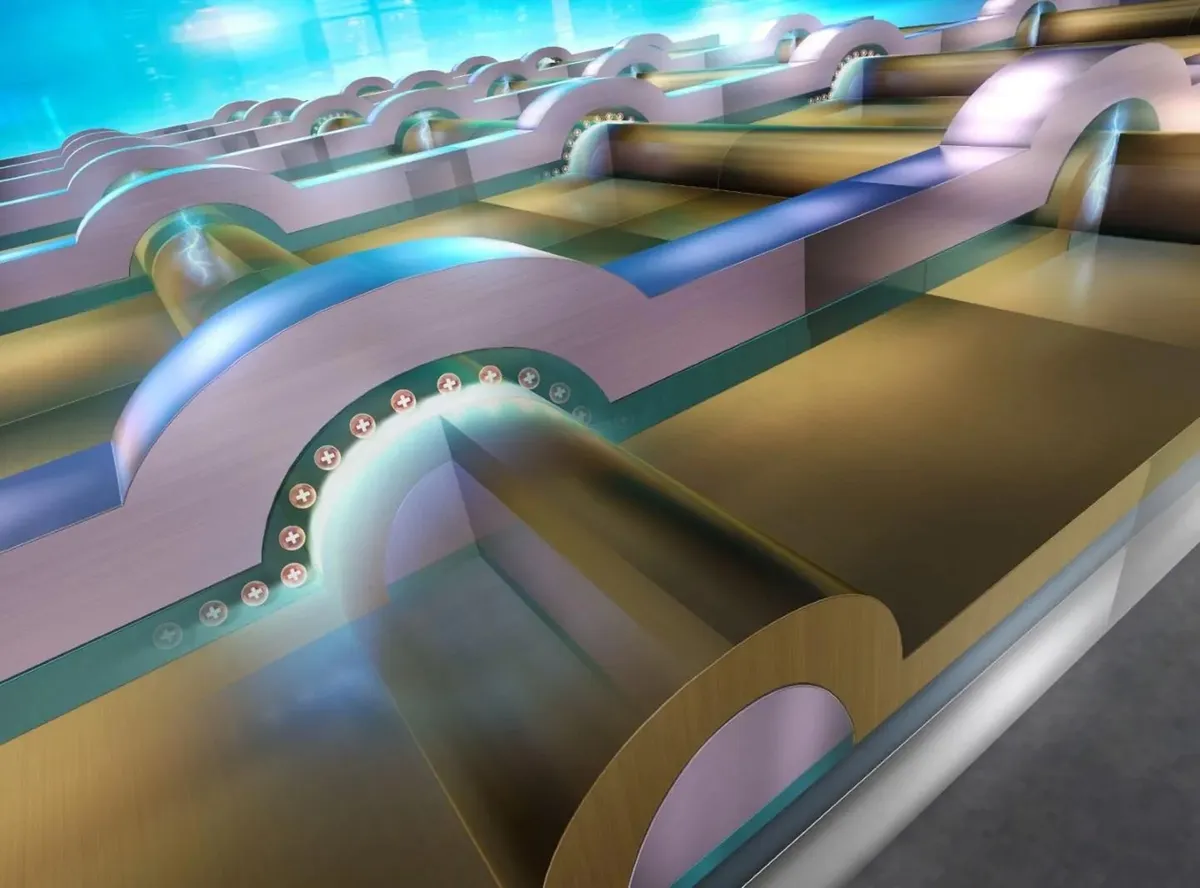
Think of writing on a blank page. You add each new piece of information to an empty space. This is like the "blank slate" idea.
We're a new kind of news feed.
Regular news is designed to drain you. We're a non-profit built to restore you. Every story we publish is scored for impact, progress, and hope.
Start Your News DetoxNow imagine writing on a page that already has marks. New information has to fit around or replace what's already there. This is the "full slate" idea.
These ideas are part of a bigger question: Are we mostly set from birth, or do our experiences shape us over time? Biology sees this in how genetics (the initial plan) and environment (what shapes us) interact.
The Jonas group at ISTA applied this question to the hippocampus. They wanted to know if the hippocampal network develops more like a blank slate or a full slate after birth.
Dense Networks in Young Brains
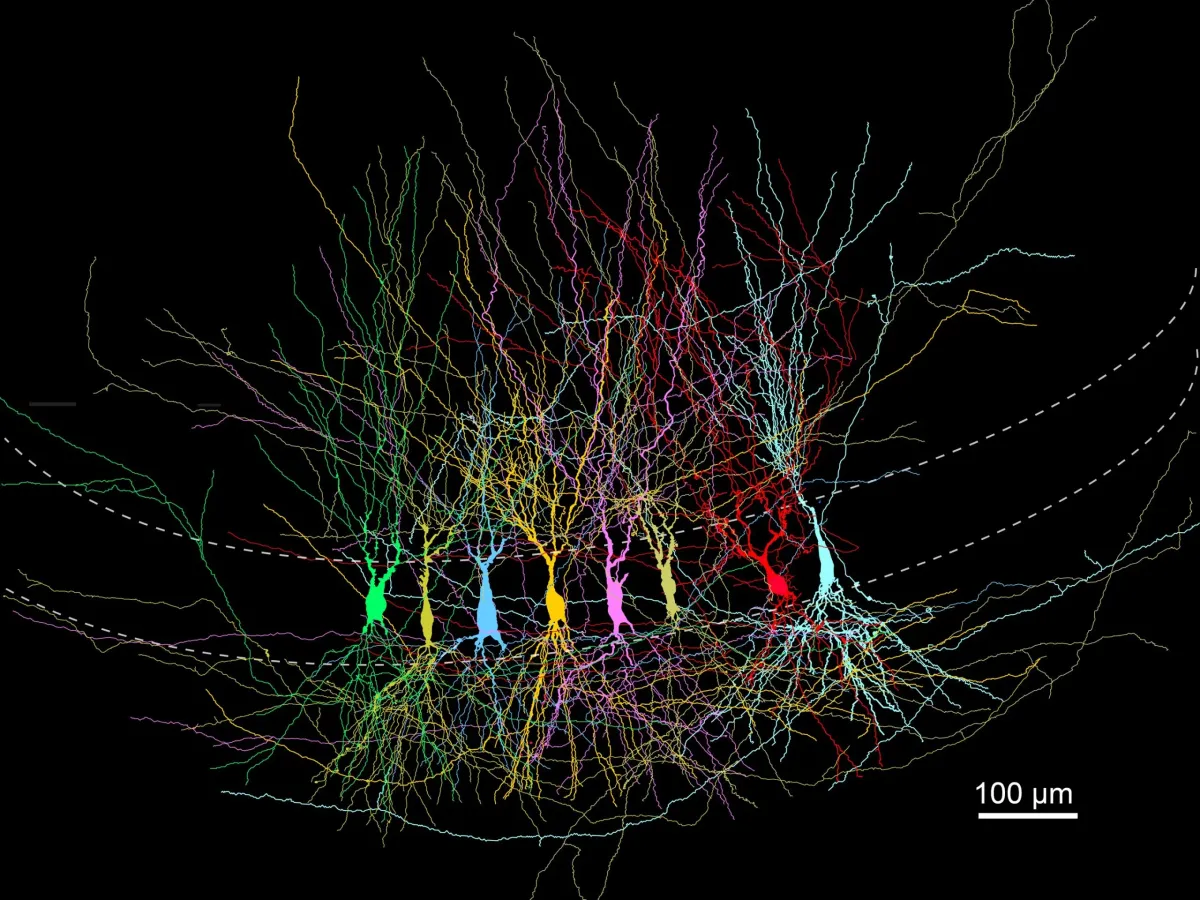
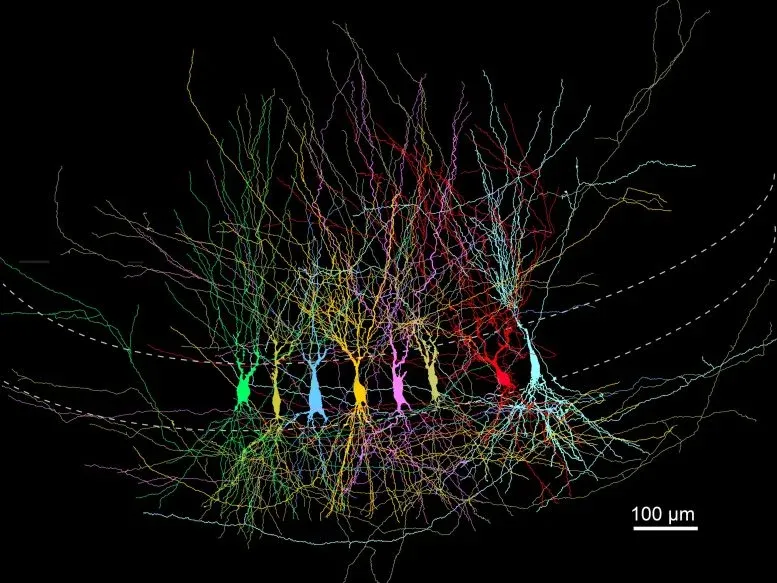
The study focused on CA3 pyramidal neurons in the hippocampus. These neurons are important for storing and recalling memories. They do this through plasticity, which is the brain's ability to change the strength and structure of its connections.
Victor Vargas-Barroso, an ISTA alum, studied mouse brains at three stages: shortly after birth (days seven to eight), adolescence (days 18 to 25), and adulthood (days 45 to 50).
He used a technique called patch clamp to measure tiny electrical signals in neurons. The team also used advanced microscopes and lasers to watch cell activity and activate single connections precisely.
Brain Connections Become More Refined
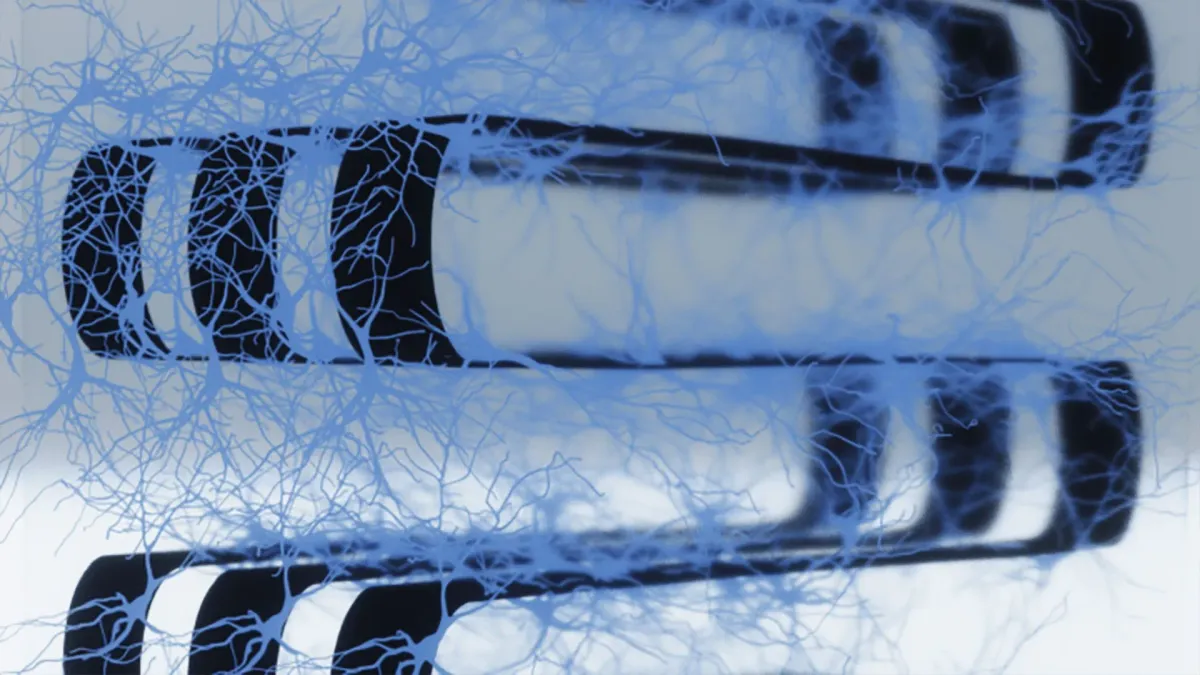
The researchers found that the CA3 network starts very dense, with connections that seem random. But as the mice grew, the network became less crowded and more organized.
"This discovery was quite surprising," Jonas said. "You might expect a network to grow and get denser. Here, we see the opposite." He explained it's like a "pruning model": it starts full, then becomes streamlined and optimized.
Instead of always adding connections, the brain seems to begin with too many links and then removes many of them as it develops.

Why Starting "Full" Helps Memory
Researchers are still figuring out why this happens. Jonas thinks an initially broad network might help neurons talk quickly and efficiently early on. This is especially important in the hippocampus.
This brain area doesn't just store separate sensory details like sights or sounds. It combines them into full memories and experiences.
"That's a complex task for neurons," Jonas noted. "An initially rich connectivity, followed by selective pruning, might be exactly what makes this integration possible."
If the hippocampal network started as a blank slate with no connections, neurons would first need to find and connect with each other. The researchers believe this would make efficient communication much harder.
The findings suggest the brain might not start empty, waiting to be filled. Instead, it may begin with a rich network of connections that slowly becomes more efficient by cutting away unnecessary links.
Deep Dive & References
Developmental emergence of sparse and structured synaptic connectivity in the hippocampal CA3 memory circuit - Nature Communications, 2026