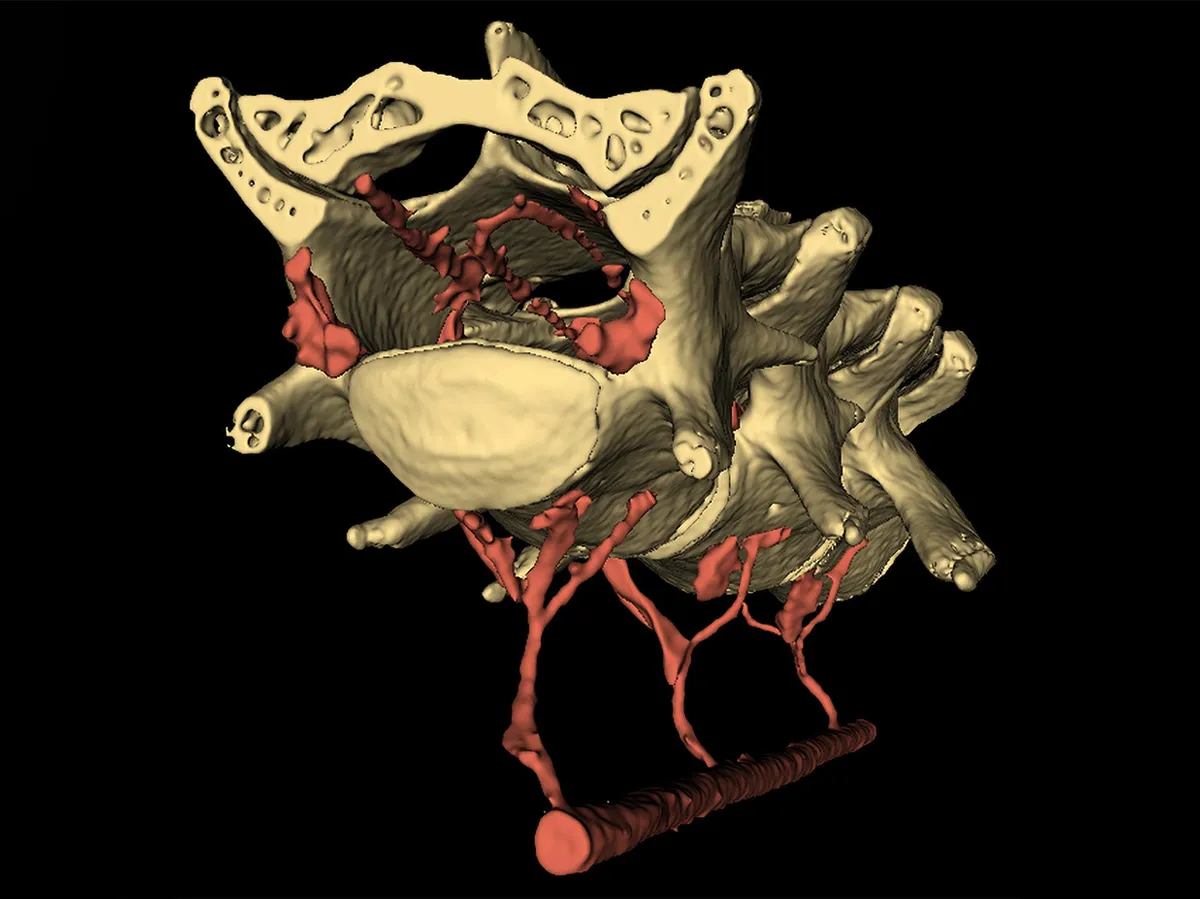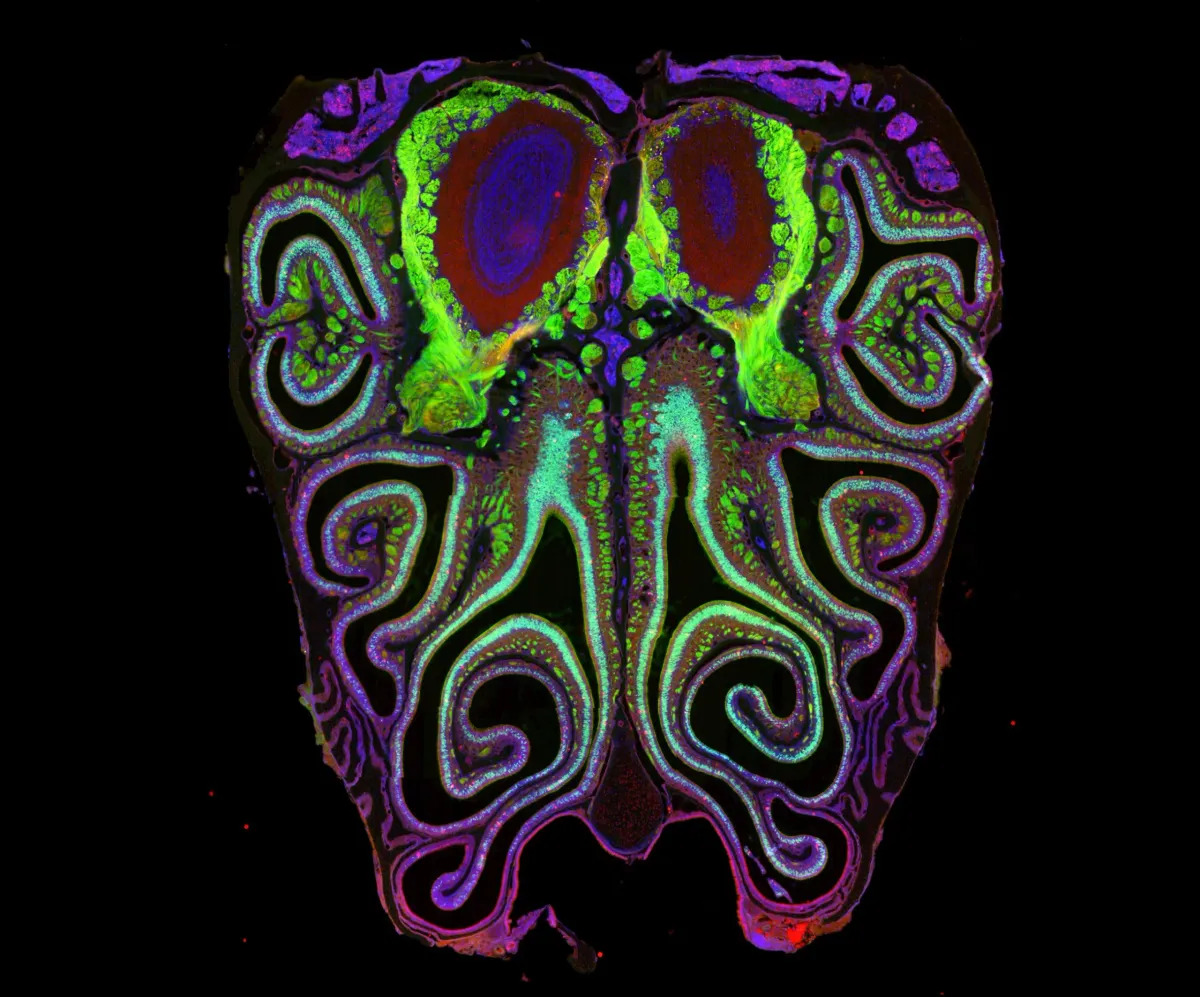
Imagine your phone, but instead of silicon, it's running on... actual brain cells. Not quite, but researchers at Princeton University just took a wild leap in that direction, merging 70,000 living neurons with flexible electronics. They've essentially created a tiny, squishy supercomputer that aims to make AI a whole lot smarter, and a whole lot less power-hungry.
This newfangled device is called 3D-MIND, which sounds like something out of a sci-fi movie, and honestly, it kind of is. It’s designed to let living brain cells and computer hardware have a little chat, directly, deep inside a 3D structure. The goal? To build AI that thinks more like us, and maybe, just maybe, doesn't need its own power plant.

As Tian-Ming Fu from the Princeton Neuroscience Institute points out, our brains are shockingly efficient. They use about one-millionth the power of current AI systems for similar tasks. Your brain sips power like a fancy espresso; AI guzzles it like a super-sized slushie. This project is trying to bridge that gap.
We're a new kind of news feed.
Regular news is designed to drain you. We're a non-profit built to restore you. Every story we publish is scored for impact, progress, and hope.
Start Your News DetoxBrains, Wires, and a Whole Lot of Potential
The 3D-MIND platform works by weaving a flexible, 3D electronic mesh right into lab-grown networks of brain cells. The cells, being the social creatures they are, grow around and through the mesh, forming a cozy, interconnected little brain-net. This isn't just poking at cells on the surface; it's getting right into the thick of it.
Tiny sensors embedded within the mesh eavesdrop on the electrical chatter of the neural network, while stimulators can whisper back, sending signals to the cells. We're talking 70,000 neurons, all under the watchful eye of dozens of electrodes. Which, if you think about it, is both impressive and slightly terrifying.
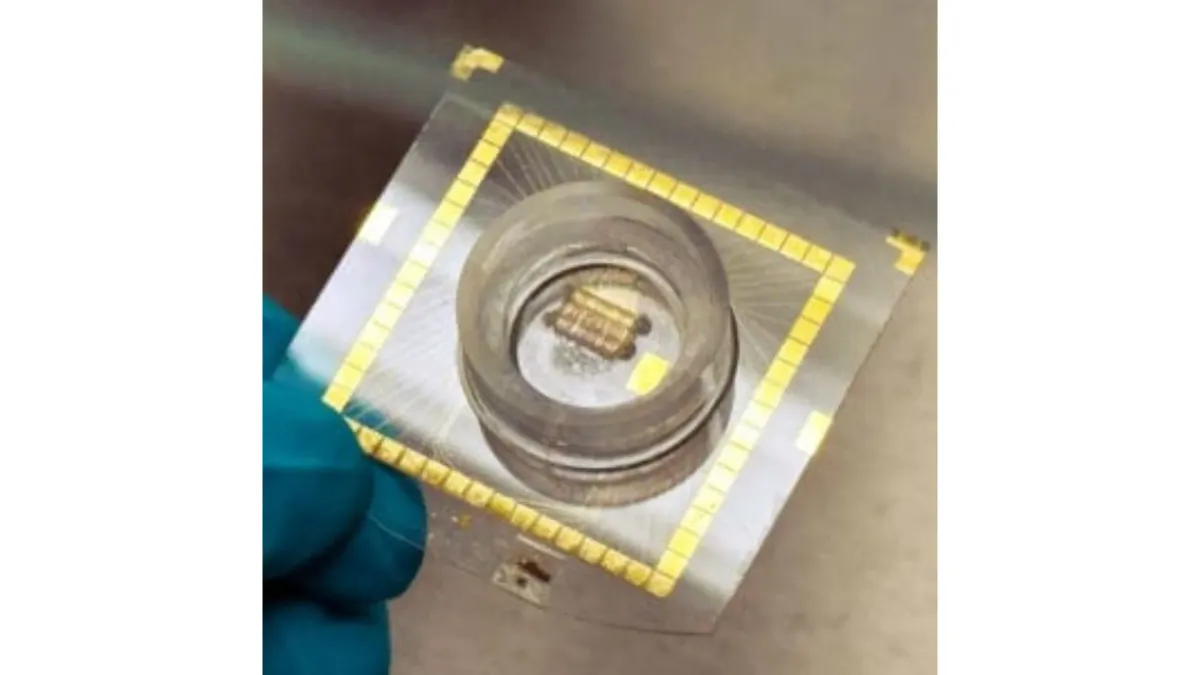
Because the electronics are made of soft, brain-like materials, the device can hang out with the living cells for over six months without causing a fuss. This long-term connection allowed researchers to see that these 3D neural networks are far more complex and powerful than their flat, 2D cousins. And with the embedded interface, they could stimulate and train these networks faster and more efficiently than ever before.
Beyond just making AI smarter and less thirsty for power, 3D-MIND could also be a game-changer for medical research. Imagine studying how neural circuits develop, modeling brain diseases, or even testing new drugs on a tiny, living, 3D brain model. All under controlled conditions, of course.
The future involves adding even more sensors and electrodes, making the neural interface even more complex. They're also trying to figure out how to guide these biological neural networks as they learn. Because apparently, just wiring up brains to computers isn't enough; we also need to teach them manners. The long-term vision? Practical hybrid systems that blend biology and electronics for both computing and medicine. Let that satisfying, slightly unsettling thought sink in.