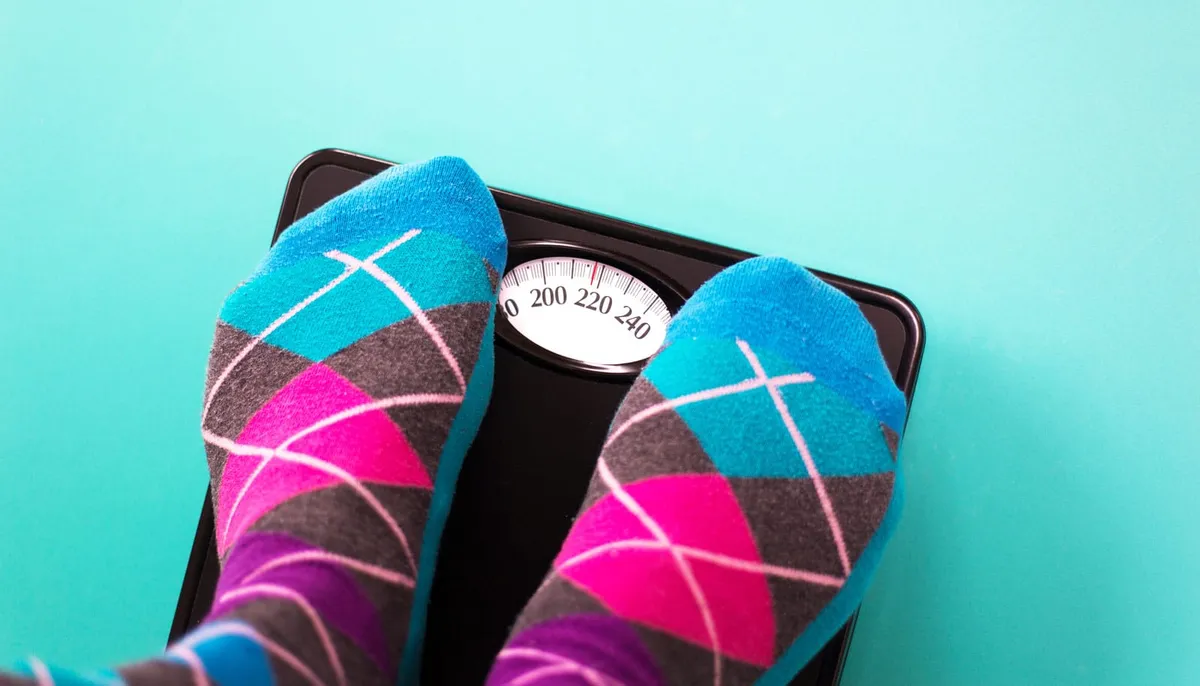
Turns out, the number on the scale might not just impact your waistband, but your brain's timeline too. New research suggests that carrying extra weight could be putting your cognitive functions on the fast track to decline. As in, memory, focus, and that whole 'managing your emotions' thing? They might start fading a bit sooner.
But before you panic-eat a pint of ice cream (because irony), there's a silver lining. A study out of the University of Georgia, which tracked over 8,200 people aged 50 and up for a whopping 24 years, found that managing your weight could significantly slow this process. Lead author Suhang Song pointed out that participants who got their weight in check saw a noticeable reduction in cognitive decline in just two years. So, it's not a life sentence.
The Brain-Belly Connection
Every single unit increase in Body Mass Index (BMI) was linked to faster brain health decline, with the over-65 crowd feeling the biggest hit. Which, if you think about it, makes sense — the older you get, the more every little thing adds up.
We're a new kind of news feed.
Regular news is designed to drain you. We're a non-profit built to restore you. Every story we publish is scored for impact, progress, and hope.
Start Your News DetoxSo, what's happening up there? Researchers suspect that the inflammation, reduced blood flow, and insulin resistance that often come with extra weight are the culprits. These are the same joy-killers that contribute to cognitive problems, Alzheimer's, and other dementias. And with no cure for dementia currently on the horizon, preventing it by tackling modifiable risk factors like weight becomes, well, critical.
Now, for a dose of reality: Two out of five Americans are currently considered obese by BMI standards. Some experts argue that a broader definition, including waist size, would bump that number to 75%. That's three-quarters of the adult population potentially facing an accelerated brain timeline. With over 7 million Americans already living with dementia — a number expected to double by 2050 — maybe it’s time to rethink that second helping. Your future self (and their memories) might thank you.