Creatine is well-known for boosting athletic performance. But it also helps the body make energy. Research shows it can improve strength and training. It may even help brain function in some people.
Scientists are now looking into its potential for mental health and aging.
How Creatine Works
Creatine is made naturally in the liver, kidneys, and pancreas. It uses amino acids like glycine, arginine, and methionine.
Once made, creatine goes into the bloodstream. It travels to tissues that need energy, especially muscles. About 95% of the body's creatine is in skeletal muscle. Smaller amounts are in the brain, heart, and other organs.
We're a new kind of news feed.
Regular news is designed to drain you. We're a non-profit built to restore you. Every story we publish is scored for impact, progress, and hope.
Start Your News DetoxInside cells, creatine changes into phosphocreatine (PCR). PCR helps restore adenosine triphosphate (ATP). ATP is the body's main energy source.
This quick ATP recycling is vital for tissues that use a lot of energy. These include skeletal muscle, the heart, and the brain. It helps cells work during intense activity or stress. This is why creatine is popular with athletes.
After creatine is used, it breaks down into creatinine. The kidneys filter this waste product, and it leaves the body in urine.
The body can only store a limited amount of creatine. Levels vary from person to person. So, how people respond to supplements can differ.
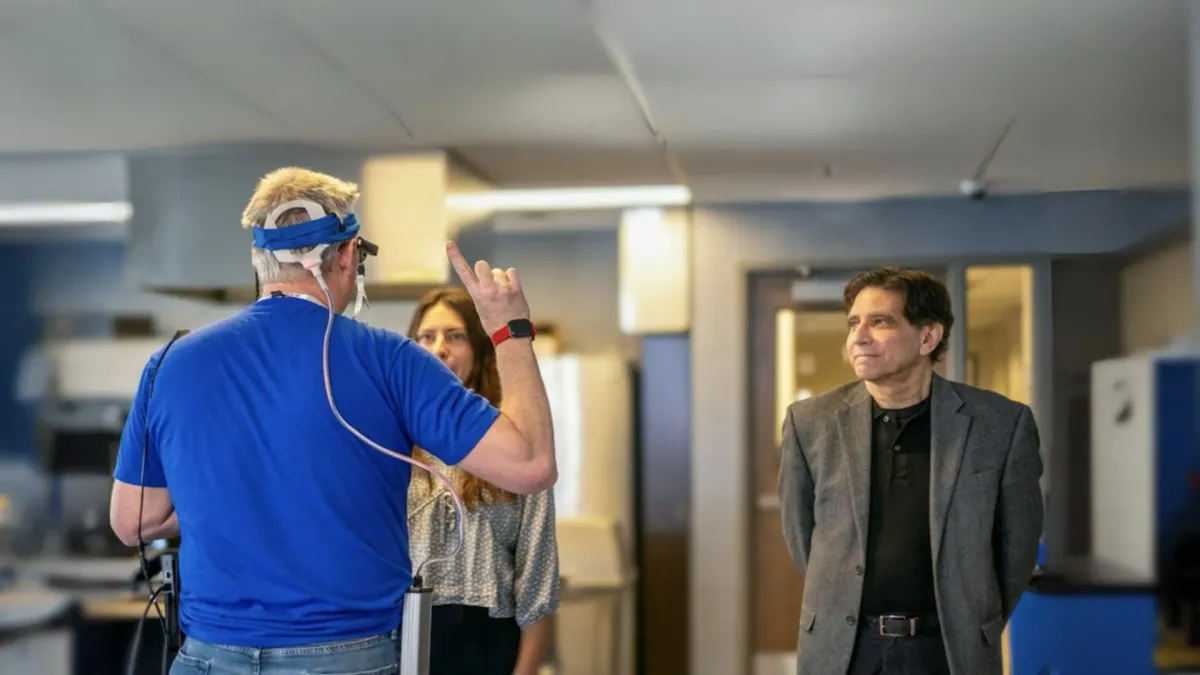
Creatine is not a steroid. Dr. Mehdi Boroujerdi, a pharmaceutical researcher, explained that creatine only provides energy for muscle contraction. It is not a steroid substitute.
Benefits and Effects
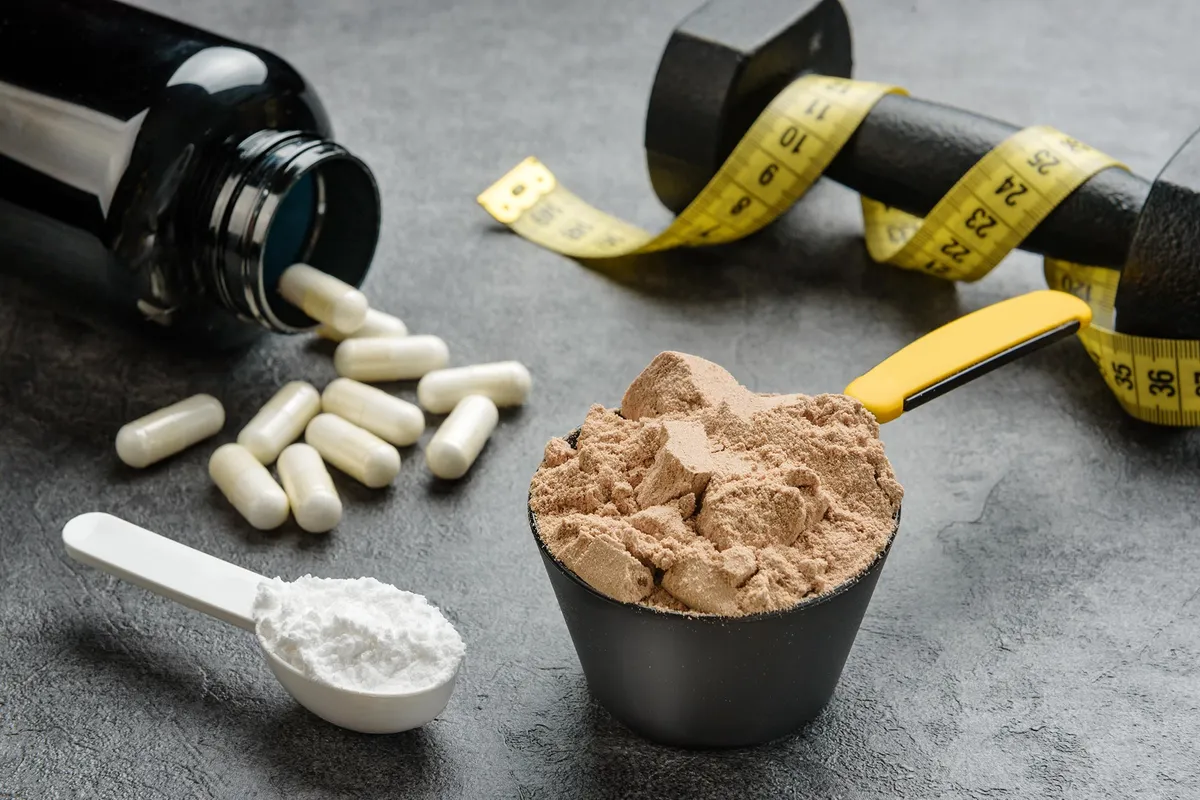
Creatine monohydrate is the most studied and used supplement.
Studies show that taking creatine increases creatine and phosphocreatine levels in muscles. This helps ATP regenerate faster during short, intense activities. This can improve strength, sprint performance, and training capacity.
Creatine may also help beyond physical performance. Research suggests it could support thinking skills like memory, mood, and processing speed. This is especially true for people with lower natural creatine levels, such as older adults.
Scientists are also exploring if creatine can help with conditions like Parkinson's disease, depression, and muscle and bone loss during menopause. Early results are promising, but more studies are needed.
Dr. Boroujerdi noted that creatine's anti-inflammatory and antioxidant properties show promise in medical settings. However, more trials are needed to confirm these benefits. He believes creatine might eventually be seen as an over-the-counter medicine, not just a supplement.
Dosage and Absorption
A common way to take creatine starts with a "loading phase." This means 20 grams per day, split into four doses, for five to seven days. After that, a maintenance dose of three to five grams per day follows.
Dr. Boroujerdi said this method quickly fills muscle creatine stores. A lower daily dose of three to five grams can do the same over about 28 days.
Not all creatine consumed is absorbed. Absorption depends on how stable it is in digestion and how much muscle tissue can store. Taking creatine with carbohydrates might help absorption by increasing insulin-driven transport.
Factors Influencing Effects
Creatine's effects can vary based on sex, age, and diet.
Men and women may respond differently due to differences in muscle mass and starting creatine levels. Women often have lower natural levels, which might lead to bigger improvements with supplements.
Older adults might benefit from creatine helping to keep muscle mass, bone density, and thinking skills.
Vegetarians and vegans usually eat little creatine. They often have lower natural levels and might see stronger results from supplements. However, diets vary, so individual results will differ.
Dr. Boroujerdi emphasized the need for more human research using labeled creatine. This would help understand these compounds better.
Creatine is sometimes taken with other supplements, like beta-alanine, to boost its effects. But how well these combinations work varies, and more research is needed.
Safety and Limitations
Creatine is one of the most studied supplements and is safe for healthy people. Its potential uses are growing, but it has limits.
Dr. Boroujerdi explained that creatine is not a "magic bullet." It doesn't build muscle directly or replace proper training and nutrition. Taking larger doses doesn't help more because muscle creatine stores have a limit. Extra creatine is just excreted.
Concerns about side effects like kidney damage have mostly been disproven for healthy people. But those with existing kidney problems should talk to a doctor before using creatine.
Creatine's benefits are not the same for everyone. Results depend on starting levels, dosage, and individual body chemistry.
Dr. Boroujerdi concluded that creatine is a supplement with great potential, but it's not a cure-all. Understanding the science helps people make informed choices for their health.
Deep Dive & References
Handbook of Creatine and Creatinine In Vivo Kinetics: Production, Distribution, Metabolism, and Excretion - CRC Press, 2026