Imagine seeing the world, not through your eyes, but directly through your brain. That's the slightly sci-fi, mostly incredible reality a new wireless brain implant is aiming for, and it's just been successfully placed in its third blind participant in an ongoing U.S. study.
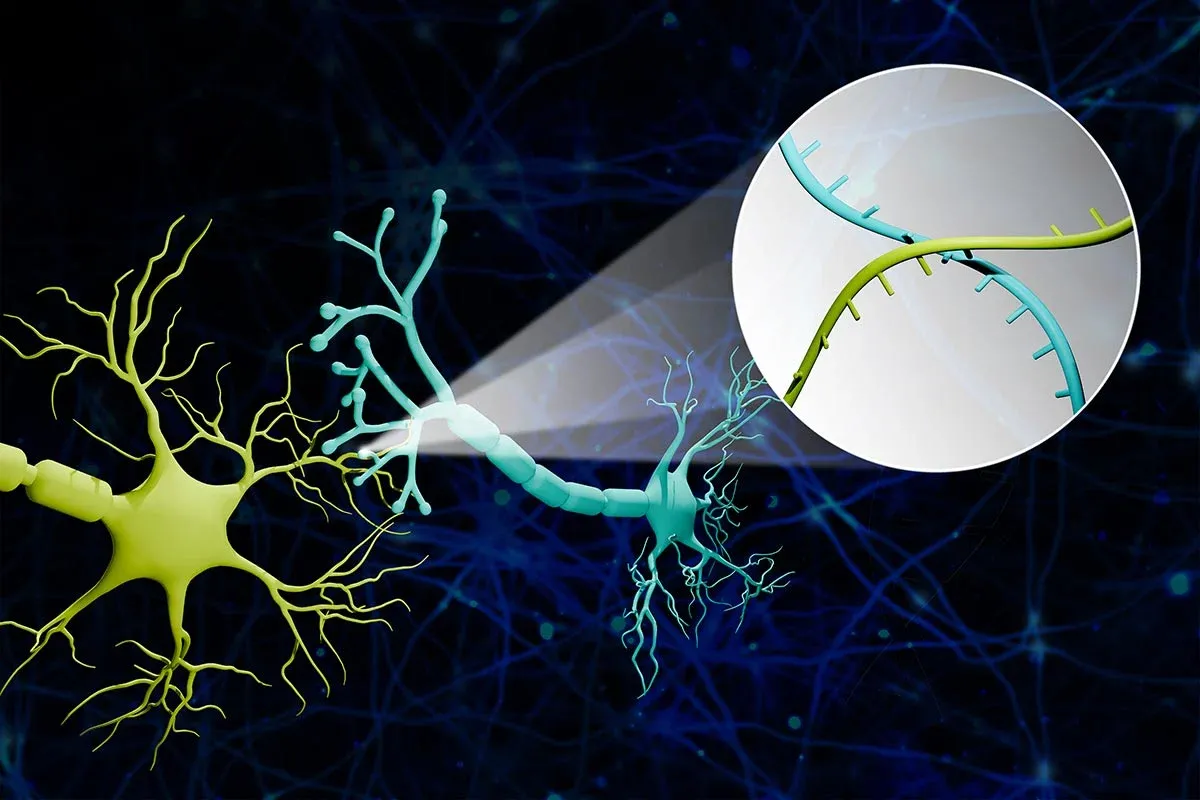
This isn't about fixing damaged retinas or optic nerves. This is about giving those parts of your anatomy a polite, yet firm, bypass. The Intracortical Visual Prosthesis (ICVP) system completely skips the eye and goes straight for the visual cortex, stimulating it to create patterns of artificial sight. Because apparently that's where we are now.
The procedure at Rush University Medical Center involved implanting 34 tiny wireless stimulators, equipped with a total of 544 electrodes, directly into the brain. The goal? To see if users can interpret these electrical pulses into useful vision, helping them navigate and perform basic tasks after a bit of training. Which, if you think about it, is both impressive and slightly terrifying.
We're a new kind of news feed.
Regular news is designed to drain you. We're a non-profit built to restore you. Every story we publish is scored for impact, progress, and hope.
Start Your News DetoxThis isn't some overnight marvel. It's the culmination of a long-running research program led by the Illinois Institute of Technology, bringing together neurosurgeons and vision scientists from multiple institutions. They've spent years perfecting the surgical methods and hardware, and now they're in the clinical phase, putting it to the real-world test.
Dr. Sepehr Sani, the surgeon who performed this latest implant, called it a significant stride, offering a genuine option for those with severe vision loss. The repeated success of these implants suggests the system is reliably deployable, which is a crucial step for any future clinic rollout. Philip R. Troyk, the project's lead investigator, sums it up nicely, highlighting how neurotechnology is turning years of research into tangible solutions.
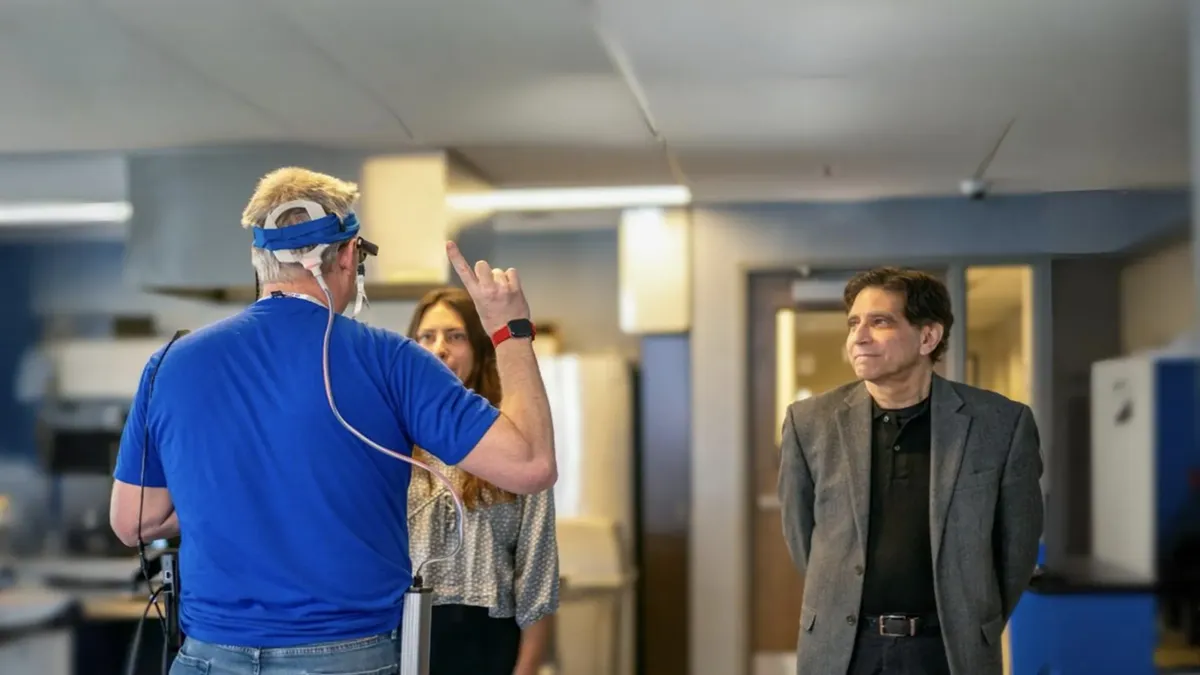
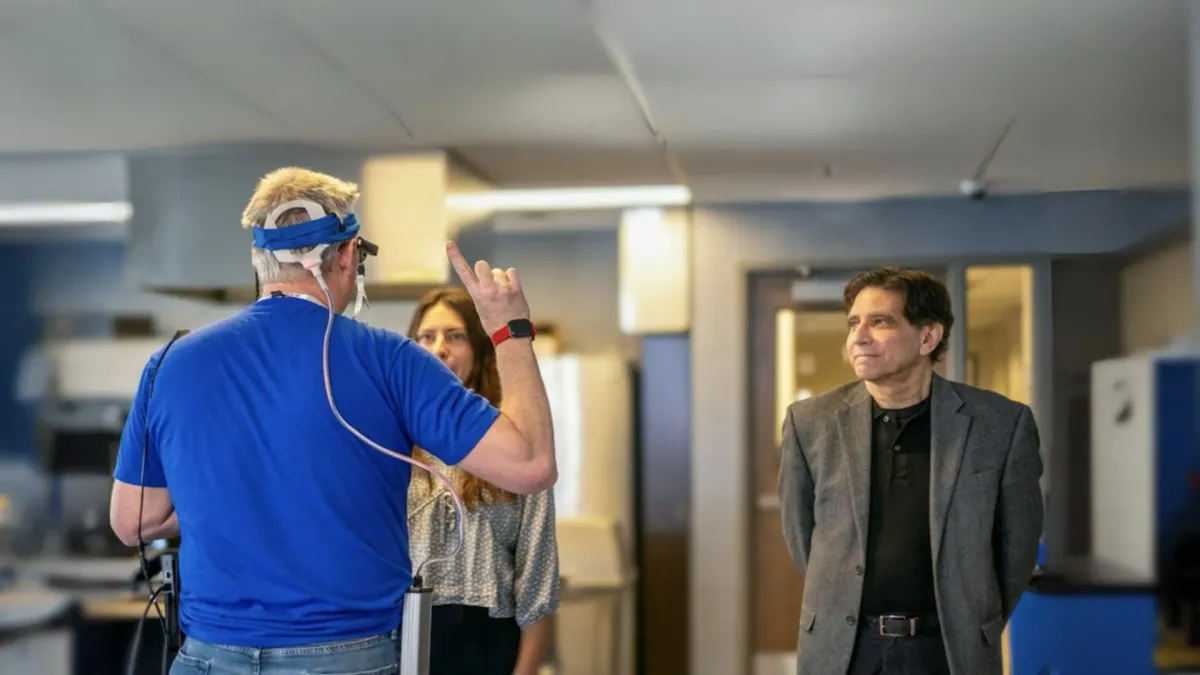
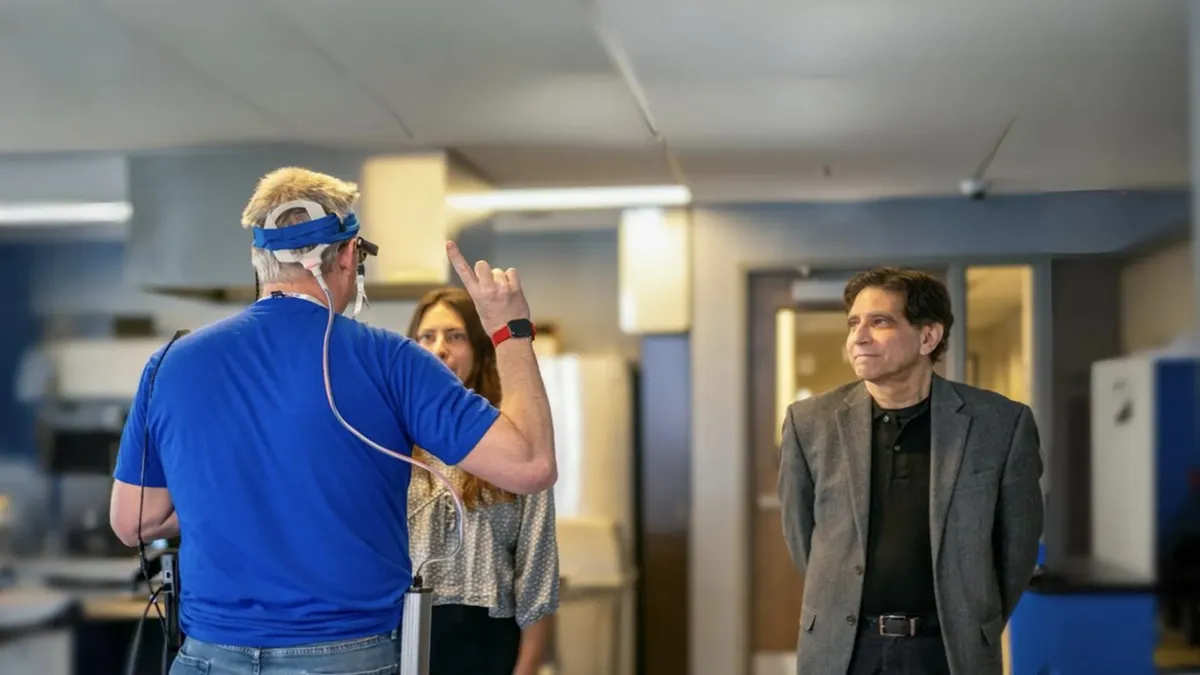
After a few weeks of recovery, the participant will head to The Chicago Lighthouse's Hilton Center for Prosthetic Research to begin training. The big question: Can these brain signals truly be translated into useful vision? Janet P. Szlyk, President and CEO of The Chicago Lighthouse, points out that even a small amount of light perception can dramatically improve a blind person's life. This research, she believes, is opening doors to major advancements in blindness research.
Participants will be followed for up to three years to track their adaptation, the device's usefulness, and its long-term safety. The team is still looking for volunteers who lost their vision as adults but had normal sight for at least their first ten years. So, if you meet the criteria and fancy a brain upgrade that might let you 'see' again, the future is officially calling.