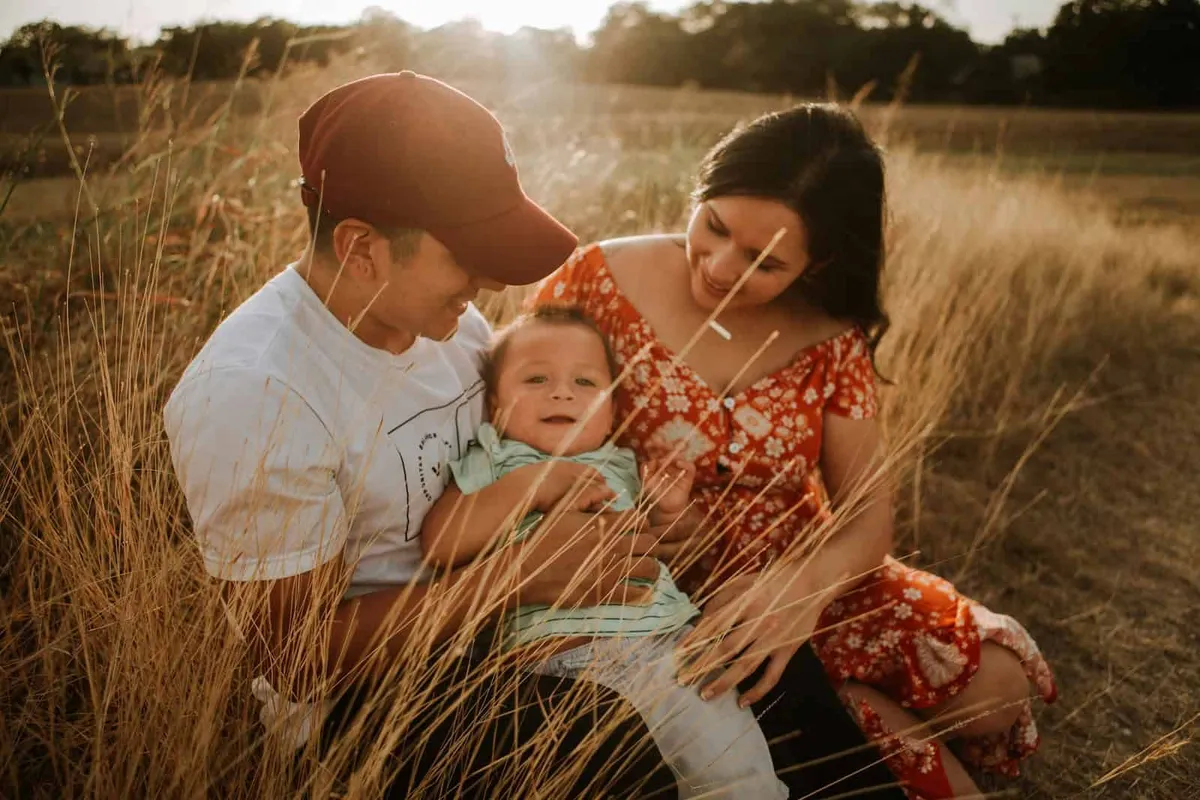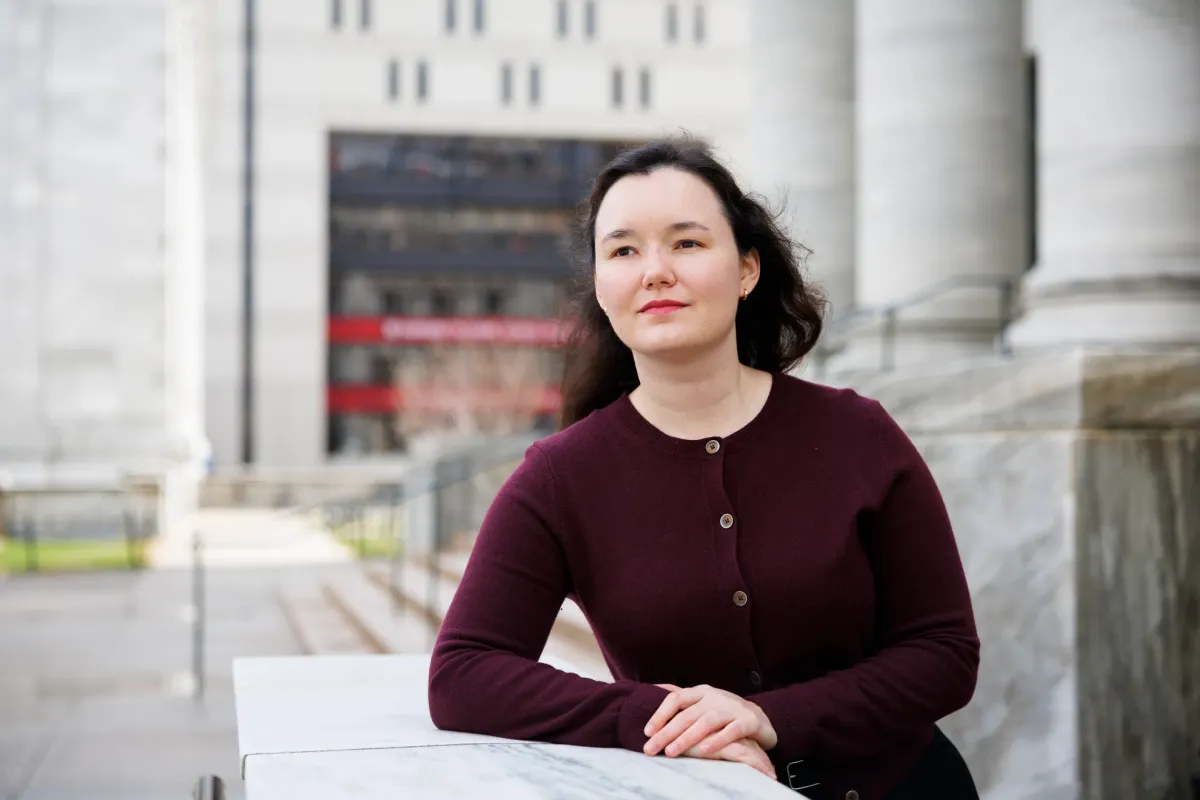
Alison Farrar was born two months early, a tiny, fragile human whose survival was, at the time, far from a given. Decades later, she found herself volunteering in a neonatal intensive care unit (NICU), holding similarly tiny, fragile humans. It turns out, seeing herself in those vulnerable infants was just the beginning of a remarkable journey.
Farrar, who graduates from Harvard Medical School this spring, credits those high school NICU days in East Los Angeles for sparking her passion. She saw not just medical challenges, but families wrestling with the raw, emotional fallout. Many babies were awaiting foster care, their first few weeks a stark introduction to a system not quite built for them. Farrar held them, spoke with their parents in Spanish, and realized she was doing something special.

From Tiny Babies to Fast Science
That early experience, coupled with her own story, showed Farrar the sheer power of technology. Babies who wouldn't have stood a chance 20 years prior were now going home. It was a revelation that sent her down a path less traveled for future psychiatrists: physics and math.
We're a new kind of news feed.
Regular news is designed to drain you. We're a non-profit built to restore you. Every story we publish is scored for impact, progress, and hope.
Start Your News DetoxShe dove into these subjects at the University of Alabama, hoping to use them to improve care for underserved populations. Whether it was a patient in East LA or a man in Alabama who was late for his appointment because his horse was sick (yes, really), Farrar saw the same underlying need for better, more accessible care.
This blend of scientific rigor and human empathy led her to the Harvard/MIT M.D.-Ph.D. program and, eventually, to Oxford University for her Ph.D. There, she tackled a problem that, if you've ever had a nasty infection, you'll appreciate: antibiotic resistance.
Working in a biophysics lab, Farrar and her team developed a rapid test for drug resistance. Instead of waiting days for bacteria to grow in a petri dish, they made ribosomes (the cell's tiny protein factories) fluorescent. When exposed to antibiotics, these ribosomes shifted in predictable patterns. An AI then analyzed these patterns. The result? A test that was 99% effective at detecting resistance after looking at just two cells, cutting processing time from days to as little as 30 minutes. Which, if you think about it, is both impressive and slightly terrifying.
The Crisis Hotline That Sealed the Deal
Even while developing cutting-edge diagnostic tools, Farrar never lost sight of the human element. During the thick of the COVID-19 pandemic, she coordinated the Oxford Nightline, an overnight crisis hotline. The calls poured in, reflecting a campus — and a world — grappling with unprecedented mental health challenges.
It was here, talking people through their darkest moments, that the seeds sown in the NICU truly blossomed. Those experiences, from holding preemies to manning a hotline, solidified her path to psychiatry. Now, with both an M.D. and a D.Phil., she's heading into a psychiatry residency research track, keen to explore digital mental health and wearable devices.
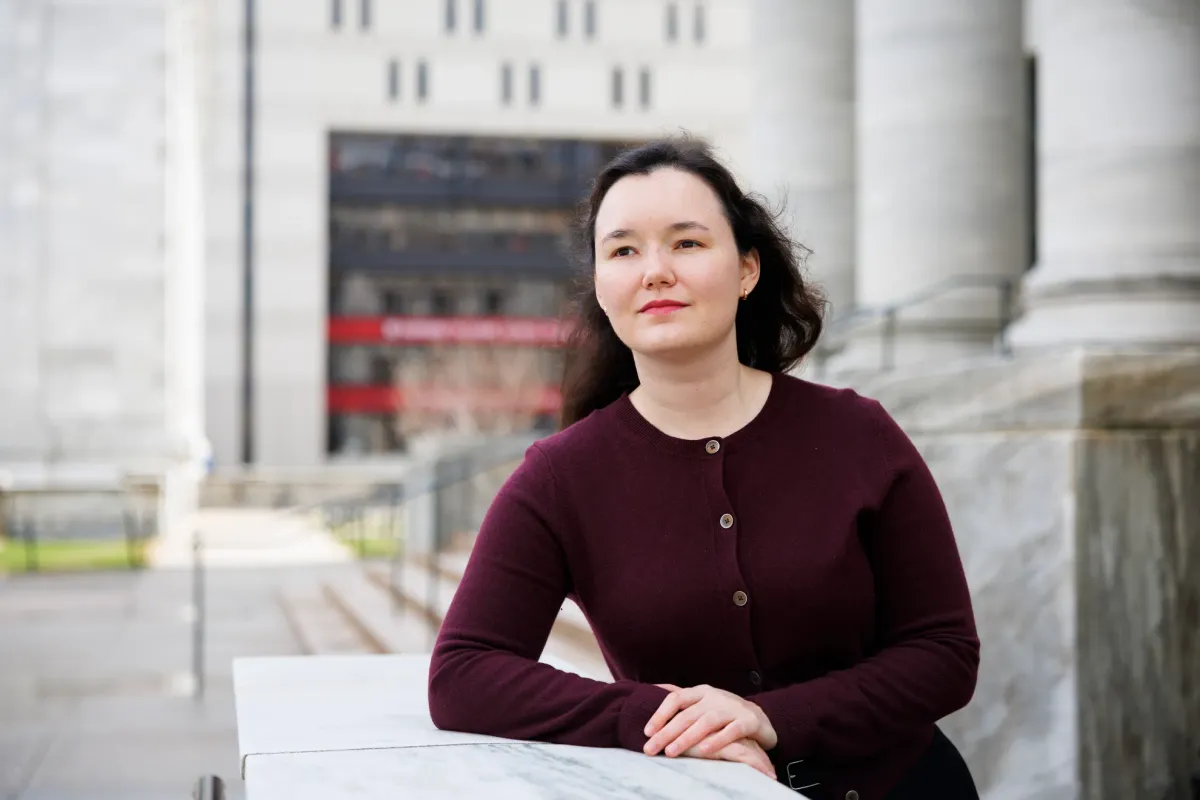
It’s a career built on a profound personal connection, a multidisciplinary mind, and a deep-seated belief that technology, when wielded with compassion, can change lives. From tiny, vulnerable babies to complex AI algorithms, Alison Farrar’s story shows how far curiosity and empathy can take you.