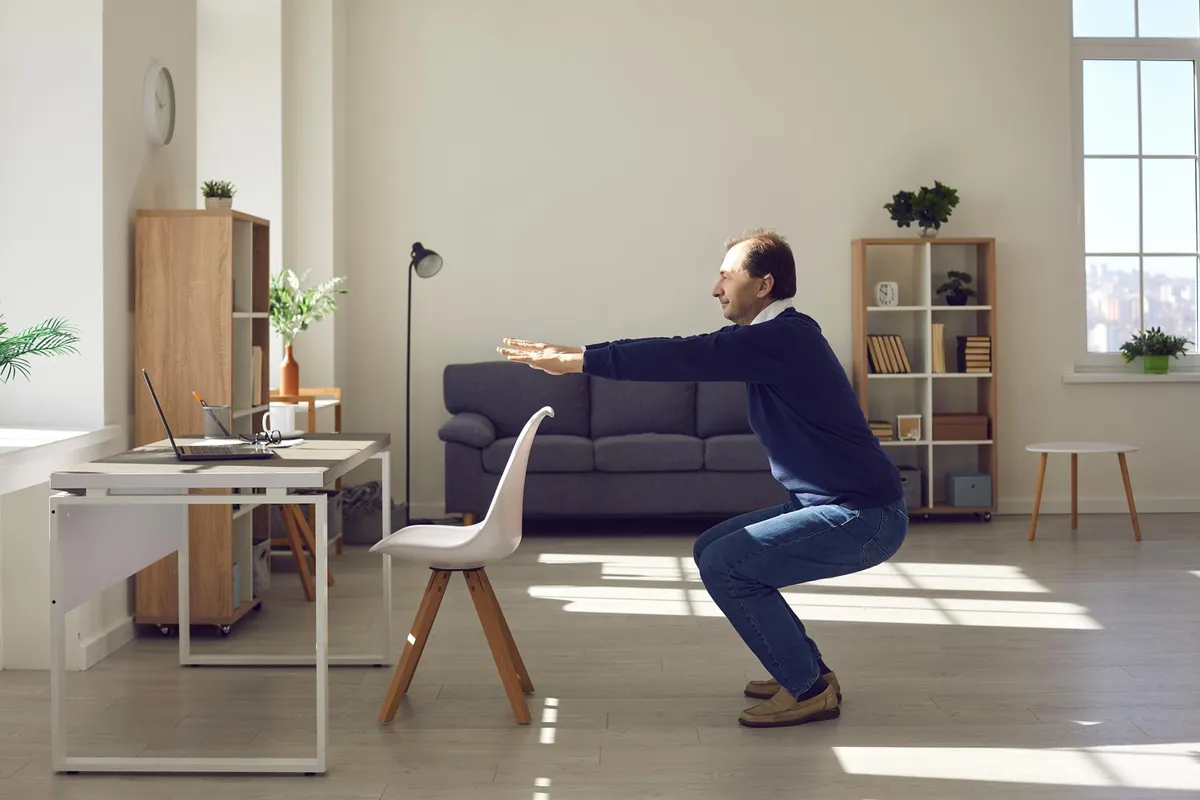
You can build strength without pushing your body to the limit. Focusing on slow, controlled movements can deliver real muscle gains with less effort and less strain.
The Power of Slow Movements
New research suggests that getting stronger might be more about slowing down than working harder. A study from Edith Cowan University (ECU) found that muscle size, strength, and performance can improve without exhausting workouts or post-exercise soreness.
Professor Ken Nosaka, ECU’s Director of Exercise and Sports Science, noted that the idea exercise must be painful holds people back. He believes a simpler method can be more effective. He suggests focusing on eccentric exercises, which offer stronger results with less effort and no gym needed.
We're a new kind of news feed.
Regular news is designed to drain you. We're a non-profit built to restore you. Every story we publish is scored for impact, progress, and hope.
Start Your News DetoxUnderstanding Eccentric Exercise
Eccentric exercise involves movements where muscles are active while they lengthen. This happens during the "lowering" part of a motion. Examples include lowering a dumbbell, walking downstairs, or slowly sitting into a chair.
Research shows that muscles can produce more force during these lengthening actions. They also use less energy compared to lifting, pulling, or climbing movements.
Building Strength Easily
"You can gain strength without feeling as exhausted," Professor Nosaka explained. "So, you get more benefit for less effort." This makes eccentric exercise appealing to many people.
While these exercises can sometimes cause soreness when you first start, discomfort is not needed to see results.
Simple Exercises for Daily Life
Eccentric movements are easy to add to daily routines and do not require special equipment. Chair squats, heel drops, and wall push-ups are good examples. Studies show that just five minutes a day of these exercises can significantly improve health and strength.
Benefits for All Ages
Eccentric exercise puts less strain on the heart and lungs. This makes it especially helpful for older adults and those with chronic health conditions. These movements also feel natural, making them easier to stick with over time.
"These movements mirror what we already do in daily life," Professor Nosaka said. "That makes them practical, realistic, and easier to stick with." He added that when exercise feels achievable, people continue doing it.
Deep Dive & References
Eccentric exercise: Muscle damage to the new normal - Journal of Sport and Health Science, 2026