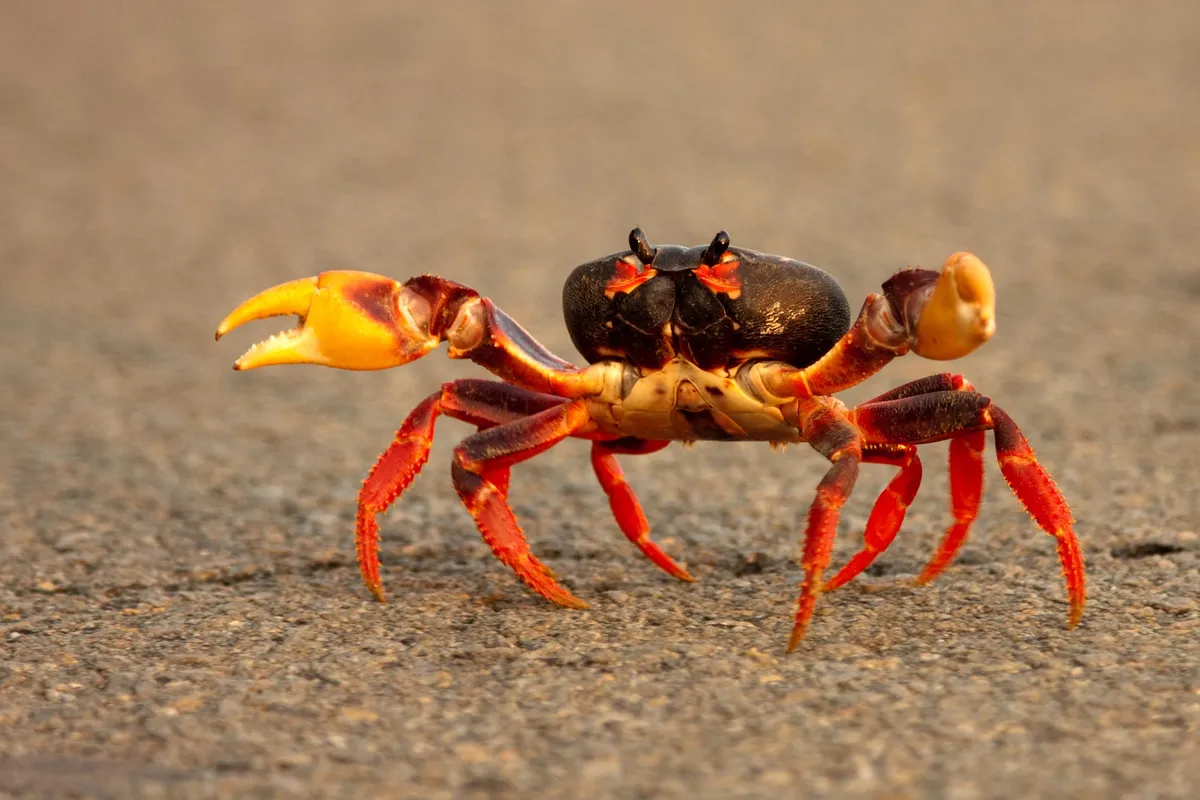
Crabs owe their famous sideways walk to a single evolutionary event. This happened about 200 million years ago. This unique movement became a key feature of "true crabs."
Researchers published these findings in eLife. They used the largest study of crab movement to date. The team combined observations of living crabs with evolutionary data. This allowed them to trace sideways walking back to a shared ancestor from the Jurassic period.
Why Crabs Walk Sideways
Sideways movement is a defining trait of true crabs (Brachyura). This is the largest group of crab decapods. Experts believe this movement helps crabs escape predators. It lets them move in less predictable ways.
We're a new kind of news feed.
Regular news is designed to drain you. We're a non-profit built to restore you. Every story we publish is scored for impact, progress, and hope.
Start Your News DetoxYuuki Kawabata, an Associate Professor at Nagasaki University, Japan, explained that sideways movement likely helped true crabs succeed. There are about 7,904 species of true crabs. This is far more than their relatives. They live in many places, including land, freshwater, and deep-sea environments.
Kawabata noted that while most true crabs walk sideways, some walk forward. This led to questions about when sideways walking started. They also wondered how many times it evolved and if it ever reverted.
How Researchers Studied Crab Movement
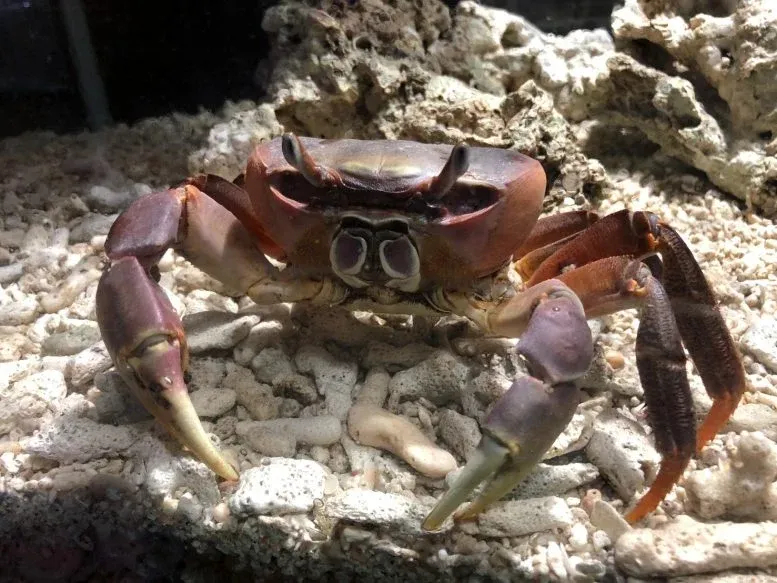
To find answers, Kawabata and his team studied 50 species of true crabs. They filmed each species for 10 minutes in plastic arenas. These arenas looked like the crabs' natural homes. They recorded one crab from each species.
The team then used this data with a previously published crab family tree. This tree showed the evolutionary history of Brachyura. It used genetic information from 344 species.
The researchers simplified the tree to include 44 genera, five families, and one superfamily. They used closely related groups when specific species were missing.
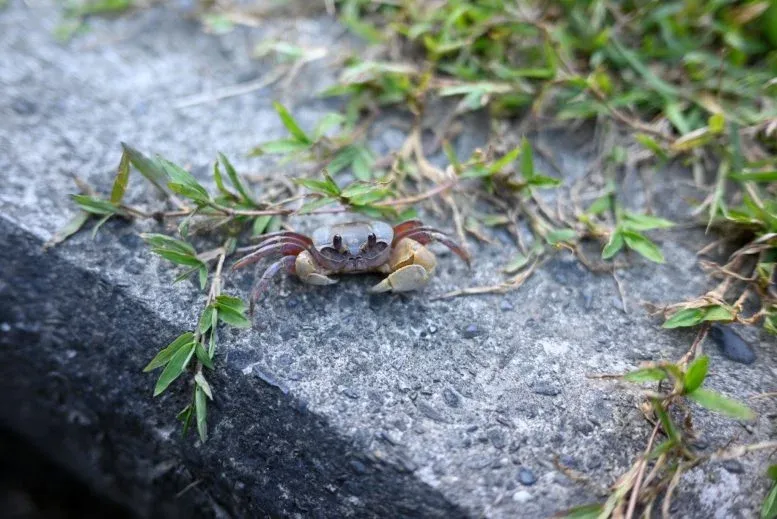
Sideways Walking Evolved Once
Out of the 50 species, 35 mainly moved sideways. Fifteen primarily walked forward. By mapping these movements onto the evolutionary tree, the team found that sideways walking likely evolved only once.
The analysis showed that this behavior appeared in a forward-walking ancestor. This was near the base of Eubrachyura, a group of more advanced crabs. It then stayed consistent throughout the evolution of true crabs.
Kawabata pointed out that this single event is different from "carcinization." Carcinization is when a crab-like body shape evolves many times in different decapod species. This suggests that while body shapes can appear multiple times, behavioral changes like sideways walking are rare.
A Survival Advantage
Researchers believe this evolutionary change was important for the success of true crabs. Sideways movement allows crabs to move quickly in two directions. This helps them avoid predators.
However, the study also suggests this type of movement is hard to evolve. It might interfere with other behaviors like burrowing, feeding, and mating. Sideways walking seems unique to true crabs. Only a few other animals, like crab spiders, show similar movement.
Environment and Evolution
Environmental conditions also played a role in the crabs' success. Sideways walking likely began about 200 million years ago. This was during the earliest Jurassic period, right after a major extinction event.
During this time, Pangaea broke apart, shallow seas expanded, and the Mesozoic Marine Revolution began. These changes likely created new opportunities for true crabs to diversify.
Kawabata noted that more research is needed to understand the roles of innovation and environmental change. This includes studying how traits affect diversification and using fossil data.
These findings show that sideways movement in true crabs is a rare but important trait. It likely helped them succeed. Such innovations can create new opportunities but are also limited by evolutionary history and environment. This work helps us understand how animal movements change over time.
Deep Dive & References
Evolution of sideways locomotion in crabs - eLife, 2026