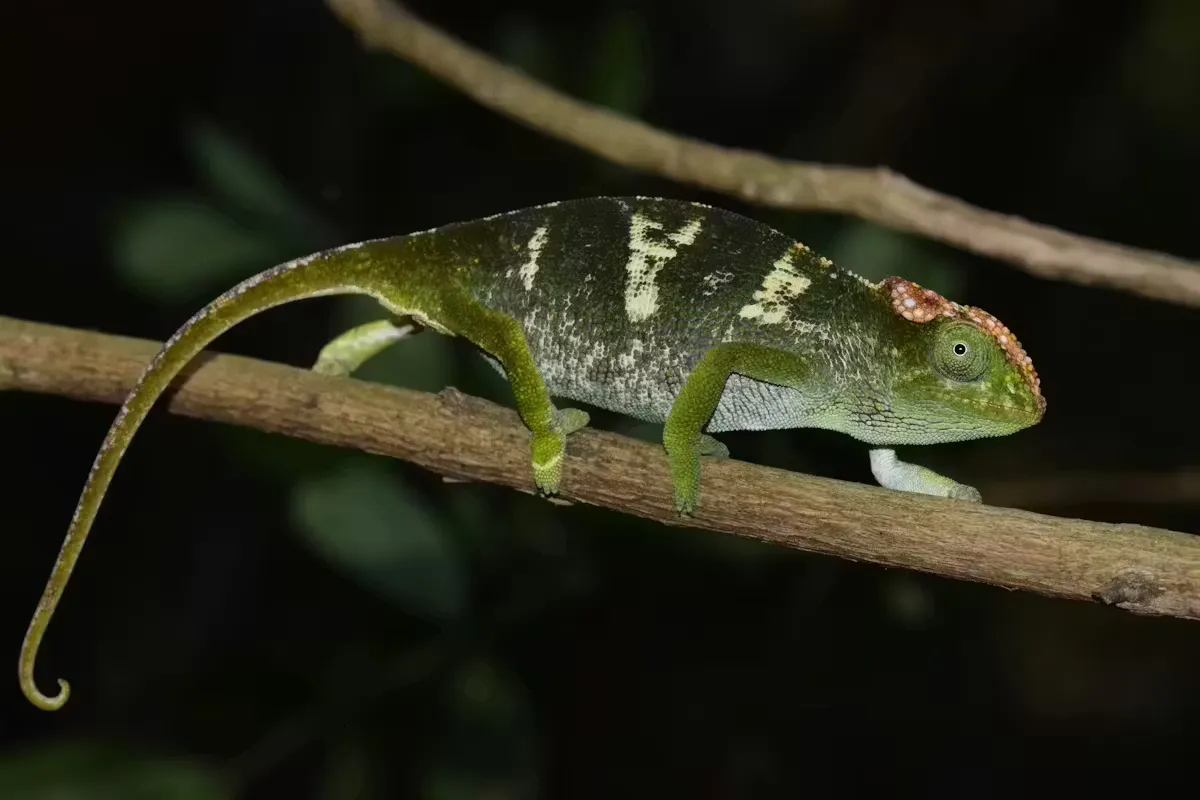
Imagine a world where mountains aren't just mountains, but actual sky islands. Green oases rising sharply from a dry savanna, where life has been left to its own devices for millions of years. This isn't a fantasy novel; it's northern Mozambique, and it's where scientists just found four brand-new chameleon species, each on its own isolated granite peak.
Because apparently, that's where we are now: discovering chameleons named after Rosalind Franklin and Jane Goodall, hiding out on ancient, misty mountains. Which, if you think about it, is both impressive and slightly terrifying for our collective knowledge of the planet.
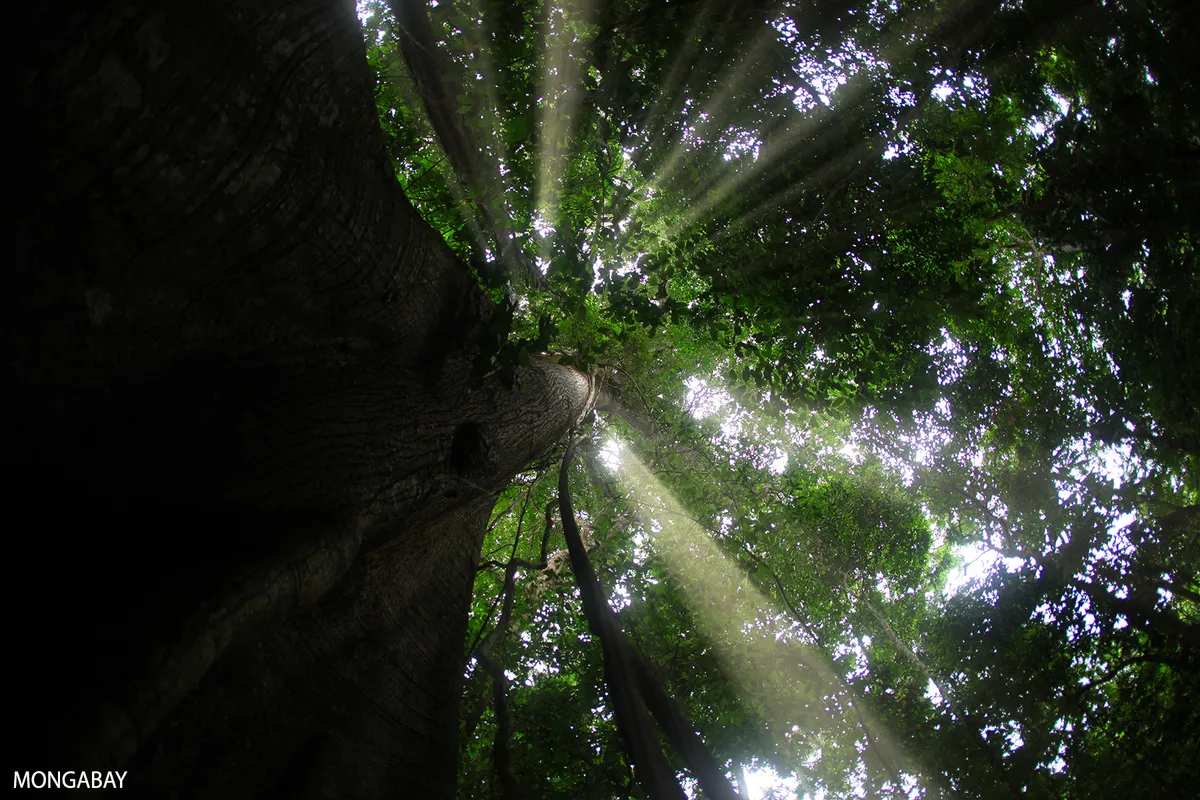
From 2014 to 2018, a team of herpetologists, led by Krystal Tolley and Werner Conradie, explored these geological marvels: Mounts Namuli, Inago, Chiperone, and Ribáuè. They weren't just enjoying the view, though. They were on the hunt for something specific: chameleons.
We're a new kind of news feed.
Regular news is designed to drain you. We're a non-profit built to restore you. Every story we publish is scored for impact, progress, and hope.
Start Your News DetoxThe Quirky Newcomers
After DNA analysis and a good hard look at their physical features, the verdict was in: each mountain hosted its own distinct species. Say hello to Nadzikambia franklinae, N. goodallae, N. nubila, and N. evanescens.
Two of these colorful characters got their names from some seriously impressive women. N. franklinae, chilling on Mount Namuli, is a nod to British chemist Rosalind Franklin. And N. goodallae, found on Mount Ribáuè, honors the late, great conservationist Jane Goodall. Because if anyone deserves a chameleon named after them, it's a trailblazing scientist or a tireless advocate for the wild.
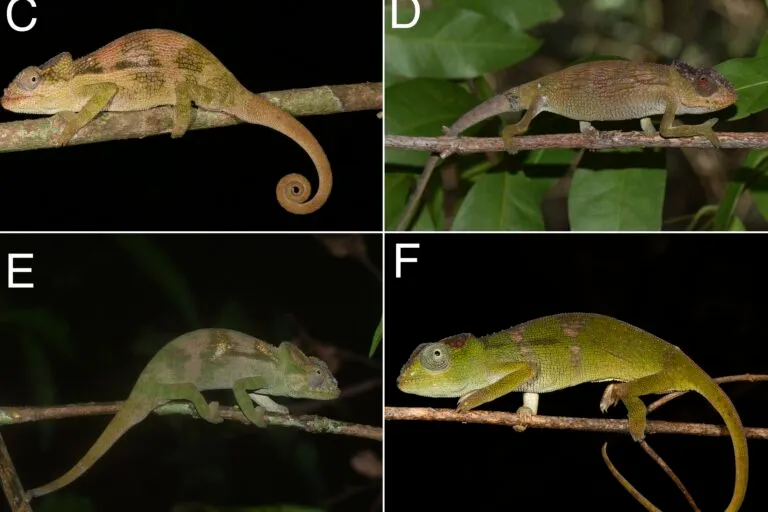
The other two are named for their homes, because sometimes the simplest names are the best. N. nubila means "cloudy" in Latin, a shout-out to the ever-present mists that nourish the forest on Mount Chiperone. And N. evanescens? That means "vanishing," a slightly somber but honest reflection of the shrinking habitat on Mount Inago. A reminder that even in discovery, there's always a bit of urgency.
These chameleons are what scientists call "forest specialists." They're not just hanging out; they only live in these specific, unique forest environments. Which makes their discovery even more fascinating — and their continued existence even more reliant on those sky islands staying green.