Turns out, ancient Mayan societies weren't just trading obsidian and cacao beans. They were also shipping live dogs, sometimes over hundreds of miles, between the northern Yucatan peninsula and central Chiapas regions during their Classic Period. Because apparently, even back then, a good boy was worth the commute.
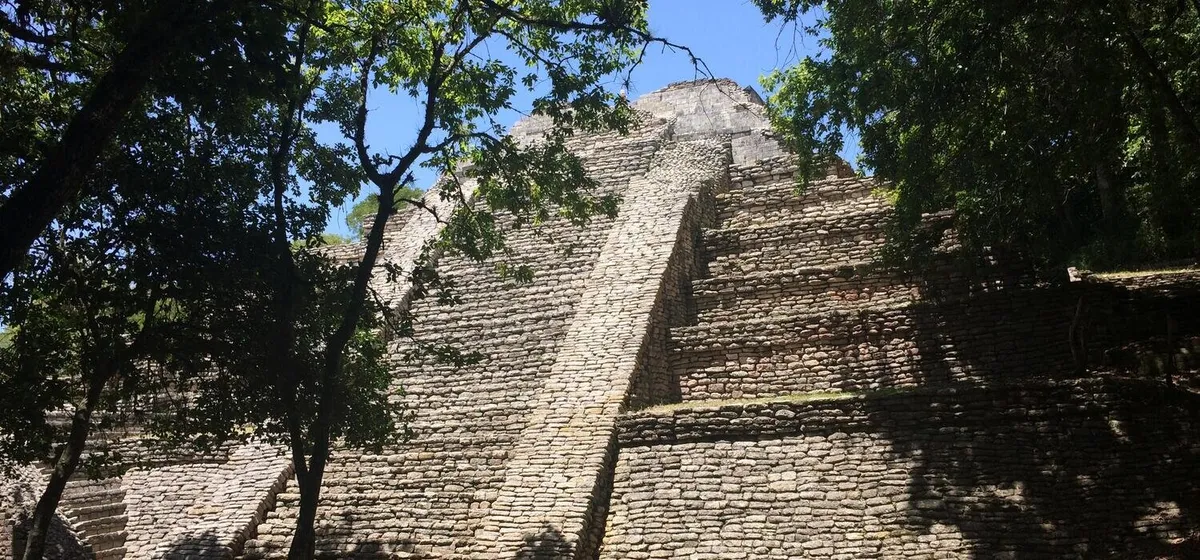
This delightful discovery comes courtesy of Dr. Elizabeth Paris, an associate professor of Anthropology and Archaeology at the University of Calgary. Along with her research team, she's been playing detective with millennia-old bones and tooth enamel from dog and deer remains found at Maya sites like Moxviquil and Tenam Puente in highland Chiapas, Mexico.
Their method? Isotopic mapping. Which, if you think about it, is essentially a geological GPS for ancient animals. And what it revealed was that most of the dogs at these sites were not local. They were travelers. And not just any travelers – they ate like royalty.
We're a new kind of news feed.
Regular news is designed to drain you. We're a non-profit built to restore you. Every story we publish is scored for impact, progress, and hope.
Start Your News DetoxThe Strontium-Fueled Road Trip
How do you figure out an ancient dog's travel history? Strontium isotopes. This element gets locked into bones and tooth enamel, and its specific signature varies depending on the local geology, essentially creating a unique chemical fingerprint of a region. Tooth enamel, once formed, doesn't change its strontium signature, giving you a snapshot of where the animal spent its formative years. Bones, however, update their strontium levels as an animal moves, offering clues about later life.
Dr. Paris's team crafted an "isoscape" – an isotopic map of Mesoamerica. When they checked the local deer, their strontium levels matched the map perfectly. These deer were homebodies, likely hunted nearby. The dogs? Not so much. Their strontium signatures pointed to lowland Maya kingdoms, quite a trek away.
But the plot thickens. Stable carbon and nitrogen isotope tests, which reveal dietary habits, showed these imported canines weren't munching on scraps. Oh no. They were feasting on a rich diet of corn and meat – the same stuff humans were eating. This wasn't some stray scavenging. These dogs were being deliberately fed like esteemed members of the household. Talk about a glow-up.
A Hairy (or Hairless) Question
The exact breed is still a bit of a mystery, but there's a prime suspect: the Xoloitzcuintli, the hairless dog famously favored by the Aztecs. Many of the ancient Chiapas dogs had oddly shaped teeth, a trait sometimes linked to the genetic mutations that cause hairlessness in Xolos. DNA testing is the next logical step, which means we might soon confirm if Mayan kings were indeed accompanied by stylish, naked pups.
Maya artwork from the lowlands often depicts kings with small dogs tucked under their hammocks. This wasn't just a cute accessory. These special breeds were likely prestige items, perhaps even diplomatic gifts to forge alliances, or simply very pampered personal companions for the ruling elite. The sheer effort of breeding them, transporting them over vast distances, and then feeding them premium human-grade food really drives home one point: these weren't just dogs. They were status symbols with wagging tails. Let that sink in next time your dog eyes your dinner plate.