Today, it seems the universe decided to flex a bit, showing off its more eccentric side, while down here on Earth, humanity was busy doing what it does best: figuring things out and making life a bit more livable.
The Cosmos Is Full of Surprises
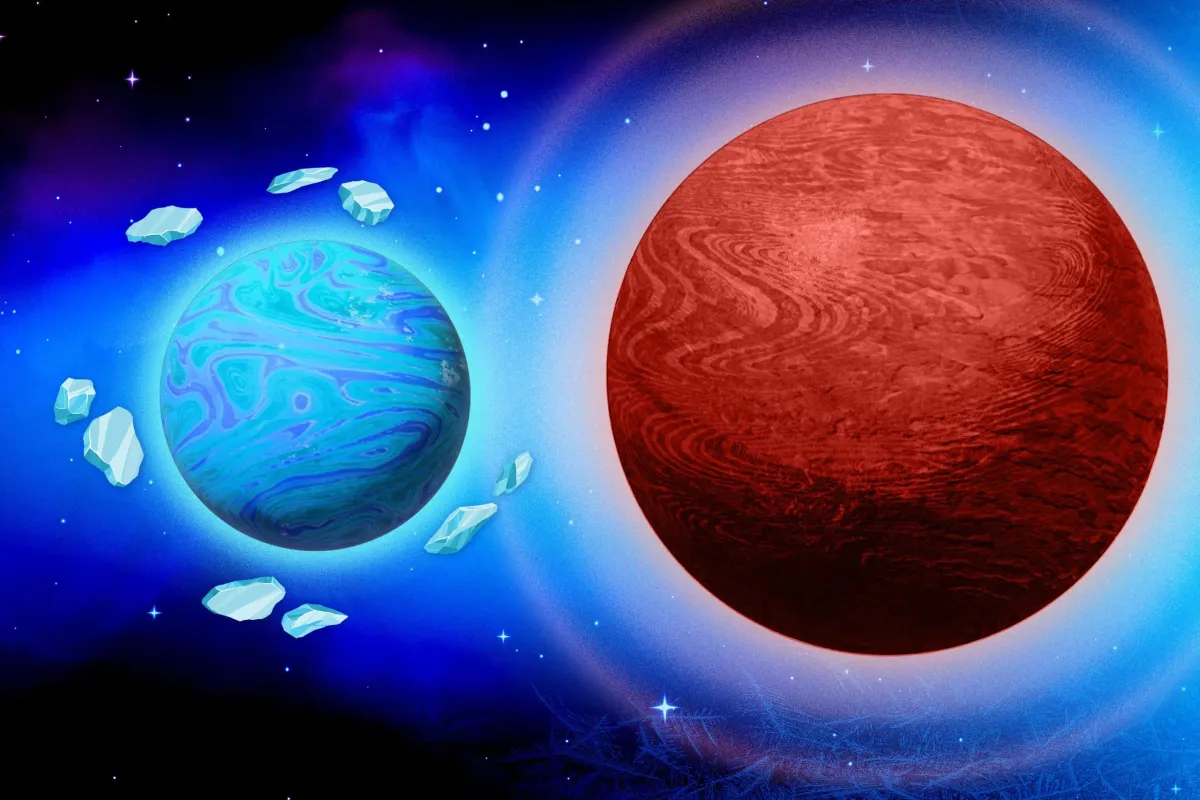
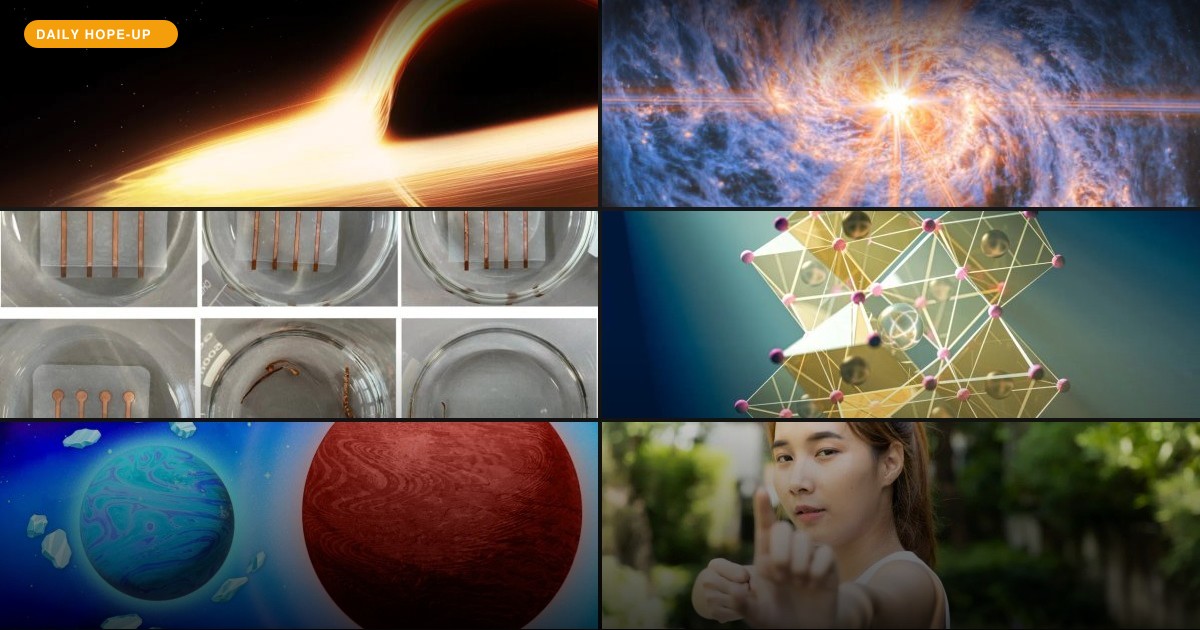
Just when we thought we had a handle on cosmic mechanics, the universe threw a few curveballs. For starters, astronomers peering through the James Webb Space Telescope spotted a 'Forbidden' Planet Pair That Shouldn't Exist 190 light-years away. This bizarre duo is forcing a serious re-evaluation of how planetary systems actually form. Meanwhile, a comet from deep space just blew up everything we thought we knew about alien solar systems, suggesting they might be wildly different from our own. And if that wasn't enough, scientists finally cracked the code on how the universe's monster black holes get so big — through violent mergers in crowded star clusters. It seems the cosmos is less a predictable clockwork and more a cosmic mosh pit. What this means for you: Next time you feel like you've got it all figured out, remember the universe is still inventing new ways to surprise us.
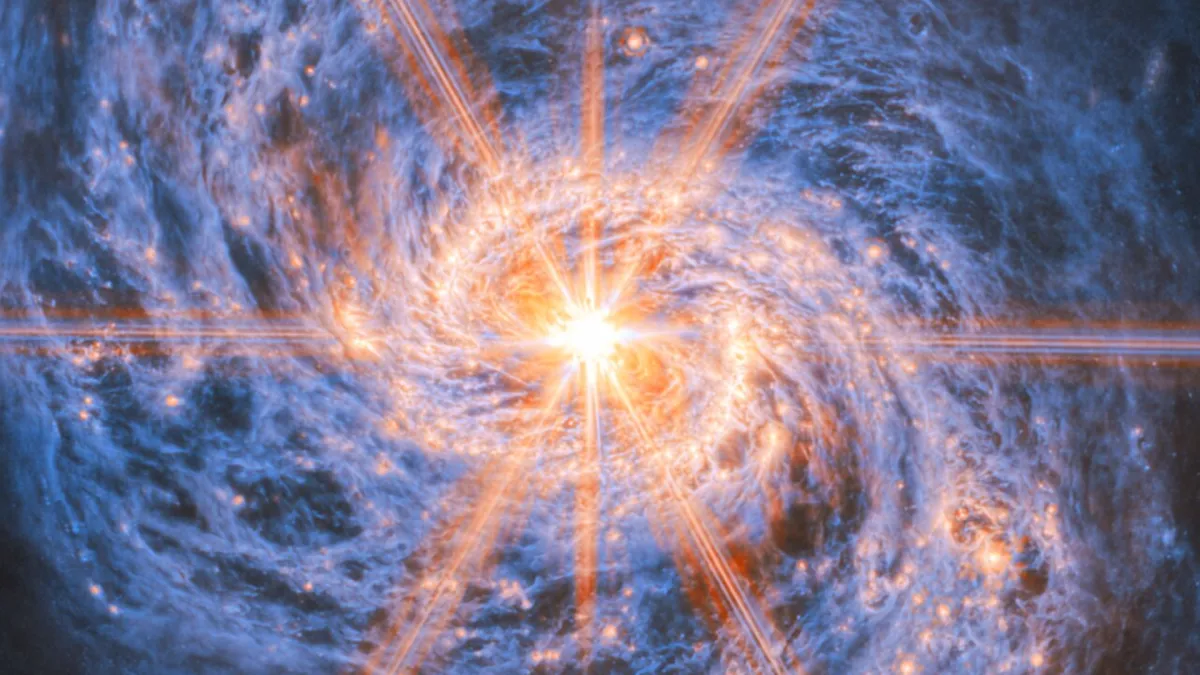
"The central region of Messier 77 is dominated by an extremely compact and energetic source that outshines the rest of the galaxy combined, even challenging the sensitivity of the James Webb Space Telescope itself." — Read the full story
Wait—What is Brightcast?We're a new kind of news feed.
Regular news is designed to drain you. We're a non-profit built to restore you. Every story we publish is scored for impact, progress, and hope.
Start Your News Detox
Smart Solutions for Earth-Bound Problems
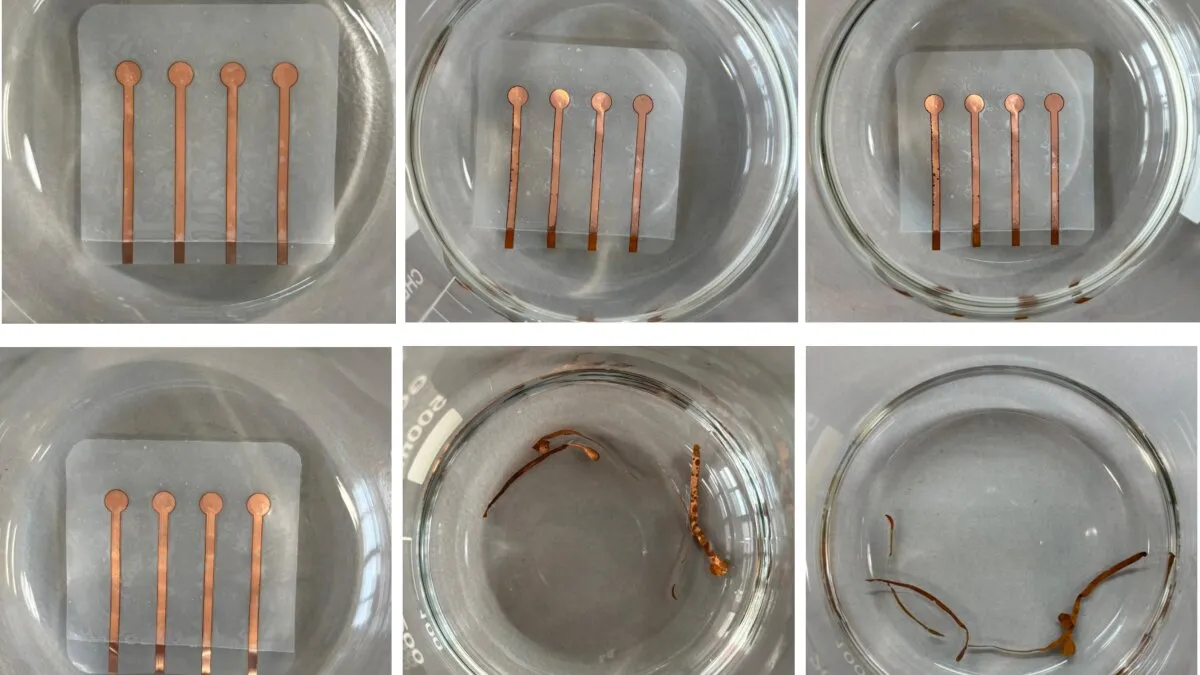
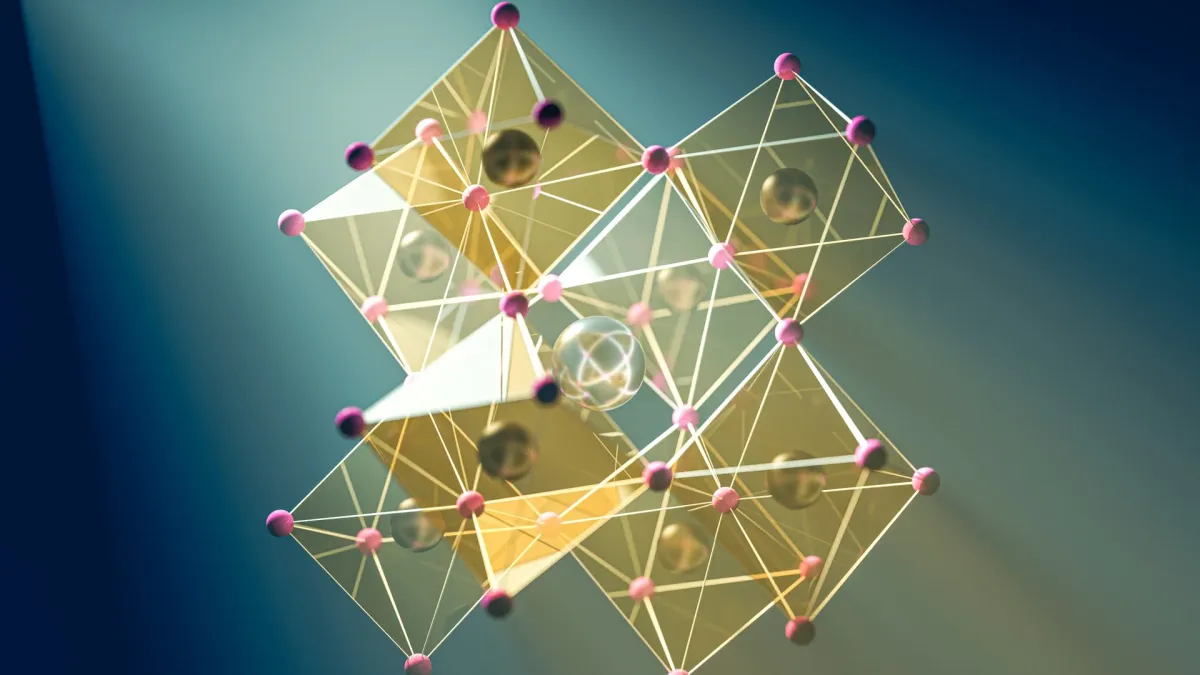
While the universe was doing its thing, we were busy innovating on our own blue marble. Take plastic, for instance. A team of researchers just unveiled a new 'living plastic' that eats itself on command by integrating bacteria into the material itself. Imagine a world where plastic doesn't just sit there for millennia. Speaking of efficiency, scientists also boosted solar cell efficiency beyond what we thought possible, pushing perovskite solar cells past 26% efficiency and extending their operational lifetime to over 24,000 hours. And in a wonderfully simple urban planning move, Hanoi tore down park fences, and now its green spaces are thriving, making them more accessible and integrated into daily life. What this means for you: From materials science to urban planning, we're finding elegant, practical ways to make our planet a better, more functional place.
Hope stat: 26% — the new record for solar cell efficiency, with an operational lifetime of over 24,000 hours.
Watch this space: Keep an eye on how these new material science breakthroughs move from the lab to real-world applications.