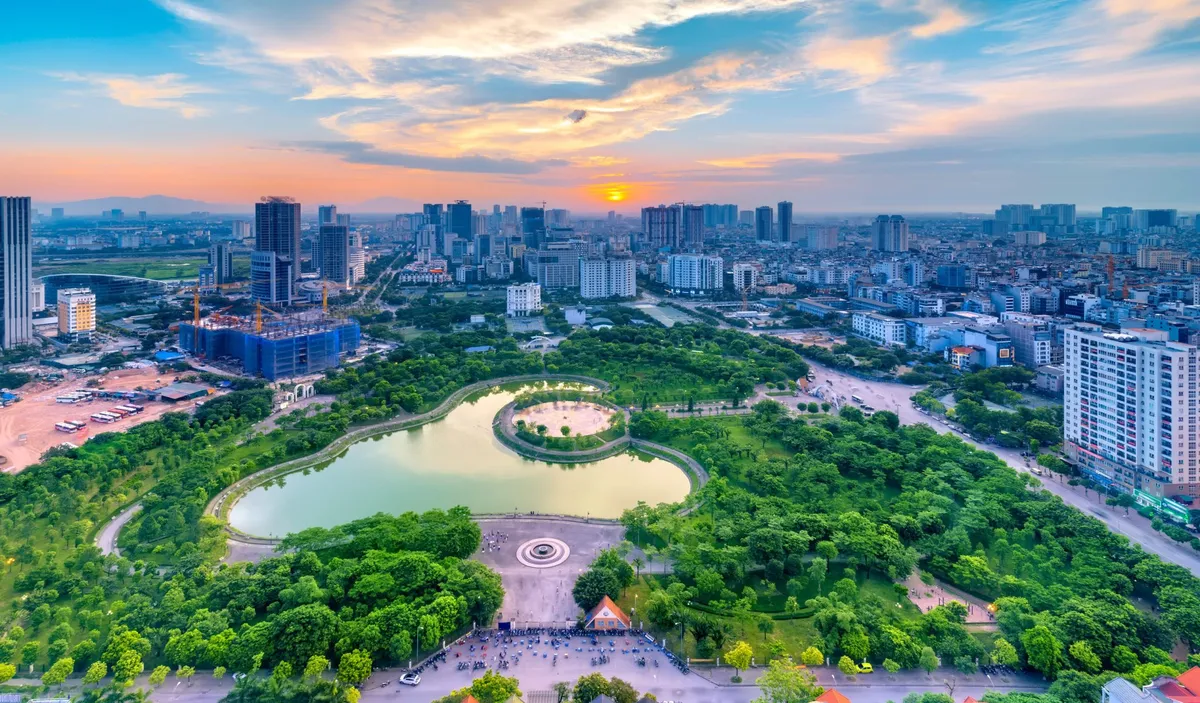
Imagine a city park where you don't have to hunt for a gate. Where the green space just… is, flowing seamlessly into the sidewalks and streets. That's the quiet revolution happening in Hanoi, Vietnam, and it's proving that sometimes, the best way to open up a city is to simply remove a barrier.
For years, parks in Hanoi, like many cities worldwide, were cordoned off with iron fences. You had to make a deliberate decision, find an entrance, and step into them. But that's changing. The city has systematically dismantled fences around four major parks — Cầu Giấy, Bách Thảo, Thống Nhất, and Indira Gandhi — turning them from destinations into extensions of daily life.
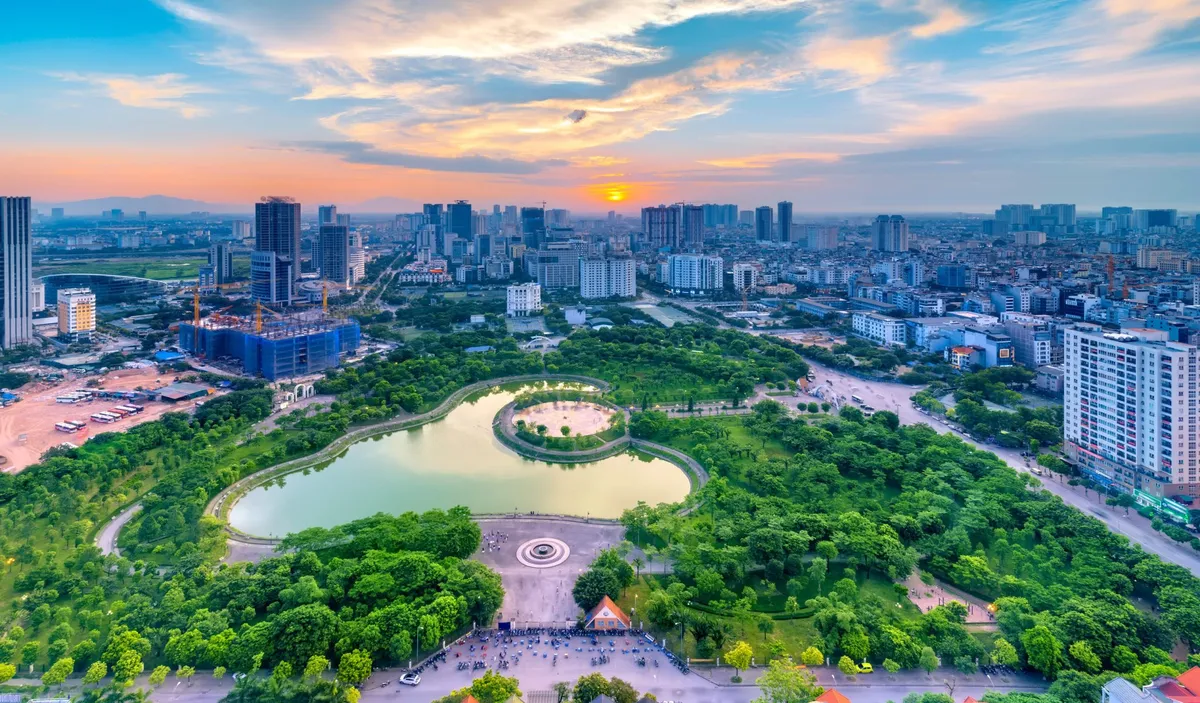
“Before, we had to walk far to get in through the main gate,” explained local resident Hoàng Thị Hiền. “Now I can enter the park from anywhere. It feels open and natural, like it’s part of my neighborhood.” It’s a simple change with surprisingly profound effects.
We're a new kind of news feed.
Regular news is designed to drain you. We're a non-profit built to restore you. Every story we publish is scored for impact, progress, and hope.
Start Your News DetoxThe Unfenced Life
Take Thống Nhất Park, for instance. Over 2 kilometers (about 1.2 miles) of fencing were taken down, instantly connecting the park to its surrounding streets. The result? Foot traffic surged. Nguyễn Tiến Quang, vice chairman of Hai Bà Trưng Ward, noted that the park is no longer just a place to visit; it’s now “directly integrated into residents’ daily lives.”
This shift brought in a whole new crowd, especially during the bustling early mornings and late afternoons. We’re talking everyone from retirees doing their tai chi to young families, students, and international visitors. At Bách Thảo Park, the removal of fences (and entrance fees, for good measure) drew in a younger demographic, eager to snap photos, picnic, and just generally exist in the newly accessible green space. Because apparently, a fence is enough to keep the youth away.

The Psychology of the Missing Fence
Architect Phạm Anh Tuấn from Hà Nội University of Civil Engineering points out that while physical access wasn't difficult before, the psychological impact of a fence is immense. Even an unlocked gate suggests separation, making a park feel like a distinct, special place. Without that visual and physical barrier, the park becomes part of the city's natural flow.
At Indira Gandhi Park, this subtle change is helping to soften the urban landscape. “The open views help reduce the sense of congestion from surrounding concrete blocks, creating a softer transition between urban spaces,” said Nguyễn Anh Dũng, vice chairman of Giảng Võ Ward. Turns out, green spaces are great at reducing that concrete jungle feeling, especially when they’re not boxed in.
Of course, more access means more… well, everything. Increased visitors brought challenges like illegal parking and unauthorized street vendors. But officials are responding with increased patrols and reorganized activity zones, proving that when you open things up, you also have to be ready to manage the influx.

Tuấn believes the real long-term solution lies in community ownership. Get people involved in cultural activities within the park, and they won't just use the space; they’ll own it in a spiritual sense. Which, if you think about it, is a pretty elegant way to ensure everyone takes care of the place. It's still early days, but Hanoi is showing that sometimes, the best way to invite people in is to simply get out of the way.