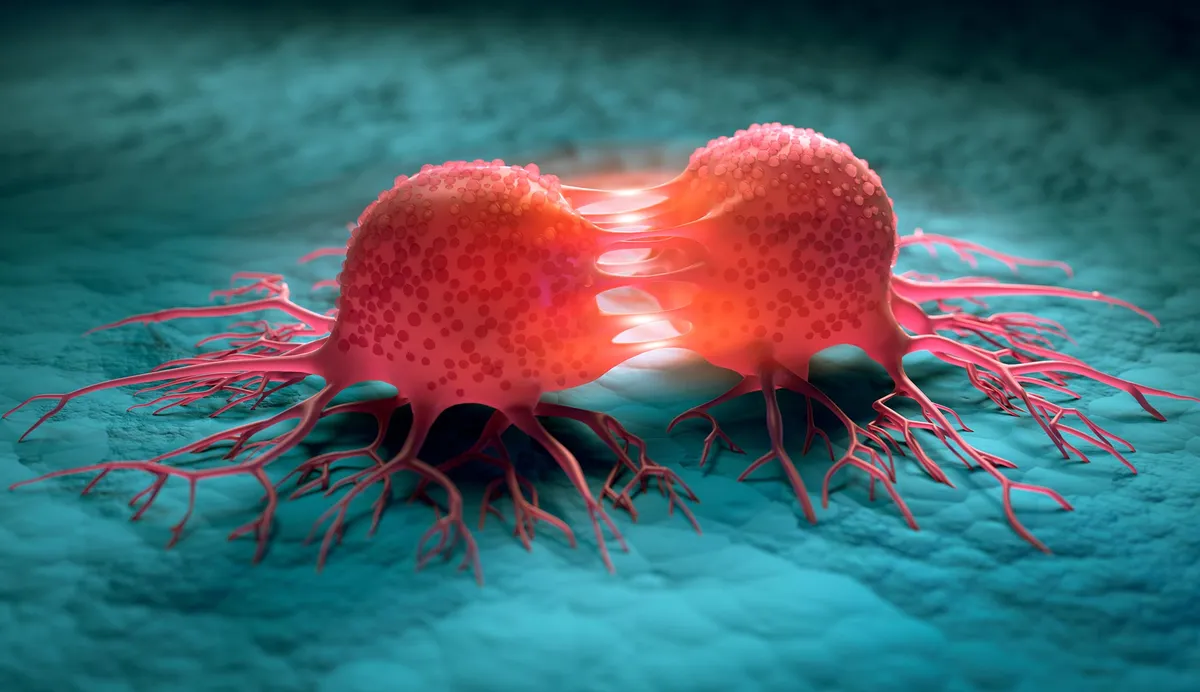
Different fats in our diet can either help or hurt pancreatic cancer growth. New research shows that omega-3 fats might protect against tumors, while oleic acid could make them grow faster in mice.
For a long time, scientists have connected high-fat diets to cancer risk. They usually focused on how much fat people ate. But new research suggests that the type of fat might be even more important, especially for pancreatic cancer.
A study published in Cancer Discovery found that some fats can encourage pancreatic tumors, while others can suppress them.
We're a new kind of news feed.
Regular news is designed to drain you. We're a non-profit built to restore you. Every story we publish is scored for impact, progress, and hope.
Start Your News DetoxChristian Felipe Ruiz, a lead author of the study and a research scientist at Yale School of Medicine, explained that it's about the type of fat, not just the total amount. He noted that some fats promote cancer, as expected, but others are good at suppressing it.
Researchers were surprised by oleic acid, which is the main fat in olive oil. Even though it's known as a heart-healthy fat, the study found it might speed up tumor growth in pancreatic cancer. Ruiz mentioned that it's traditionally seen as healthy for heart health.
Why Pancreatic Cancer Prevention Matters
Pancreatic ductal adenocarcinoma (PDAC) is a very deadly cancer. Only about 13% of patients live five years after diagnosis. Ruiz pointed out that over 65,000 people are expected to be diagnosed with PDAC in the U.S. this year, with more than 50,000 deaths. He added that current treatments are limited, so prevention strategies are greatly needed to improve survival rates.
High-fat diets have been linked to a higher risk of PDAC. However, scientists haven't fully understood how dietary fat affects cancer. This new study, led by Mandar Deepak Muzumdar from Yale School of Medicine, aimed to answer that question.
To compare different fats, researchers tested 12 high-fat diets in mice. Each diet had the same number of calories but used different fat sources. These diets were designed to reflect common eating habits in America.
Comparing Different Dietary Fats
Ruiz noted that many earlier studies used very high-fat diets with only one type of fat. For example, a diet where 60% of calories came from lard doesn't accurately reflect how most people eat. This makes it hard to pinpoint the effects of specific fatty acids.
He added that exactly which parts of dietary fat cause cancer has been a mystery.
The results showed big differences between fats. Diets high in oleic acid, a monounsaturated fatty acid (MUFA) found in olive oil, high oleic safflower oil, high oleic sunflower oil, peanuts, and lard, made tumors grow much faster in mice prone to PDAC. In contrast, diets rich in polyunsaturated fatty acids (PUFAs), especially omega-3 fats from fish oil, slowed cancer development.
When mice were fed diets with fish oil, their disease was reduced by 50% compared to mice on a standard fat diet.
How Oleic Acid Protects Tumors
The researchers then looked into ferroptosis. This is a type of cell death caused by fat oxidation. When fatty acids become part of pancreatic cell membranes, their structure affects how easily cells are damaged by oxidation. PUFAs oxidize more easily, which makes cancer cells more likely to die from ferroptosis. MUFAs resist oxidation more, helping cancer cells survive.
Ruiz explained that monounsaturated fats protect cancer cells from fat oxidation. Because oxidation is reduced, these cells are less likely to undergo ferroptosis.
The team found a direct link between the balance of fats and tumor growth. When the ratio of MUFAs to PUFAs in the diet increased, the disease got worse. When the ratio decreased, the disease improved.
The study also found differences between male and female mice. Oleic acid mainly promoted tumor growth in males, while females showed little effect. However, PUFAs reduced cancer in both sexes. Ruiz said these findings support the idea that sex can influence how metabolism affects cancer growth, and this needs more study.
Future Steps for Diet and Cancer Prevention
While these findings haven't been confirmed in humans yet, they could be important for people at higher risk of pancreatic cancer. This includes those with chronic pancreatitis, obesity, late-onset diabetes, or a family history of the disease.
Ruiz mentioned that a common question doctors get is, "What can I change in my diet to prevent cancer?" He said that while there aren't clear answers yet, this study starts to provide some insights.
Researchers now plan to study if changing dietary fat could help patients with existing tumors. They also want to see if the balance of MUFAs to PUFAs in blood could be an early sign of pancreatic cancer risk.
Deep Dive & References
Diet-induced phospholipid remodeling dictates ferroptosis sensitivity and tumorigenesis in the pancreas - Cancer Discovery, 2026