A rare blood type mystery that puzzled scientists for over 50 years has finally been solved. This breakthrough could make blood transfusions safer for patients worldwide.
Researchers in the UK and Israel identified the genetic cause behind the AnWj blood group. This led to the recognition of an entirely new blood group system called MAL.
The discovery was led by NHS Blood and Transplant through its International Blood Group Reference Laboratory (IBGRL) in Bristol. The University of Bristol and international partners also contributed. The study was published in Blood, the journal of the American Society of Hematology.
We're a new kind of news feed.
Regular news is designed to drain you. We're a non-profit built to restore you. Every story we publish is scored for impact, progress, and hope.
Start Your News DetoxBeyond ABO: The Hidden Complexity of Blood
Most people know their blood type as A, B, AB, or O, plus Rh positive or negative. However, these are just a small part of human blood diversity.
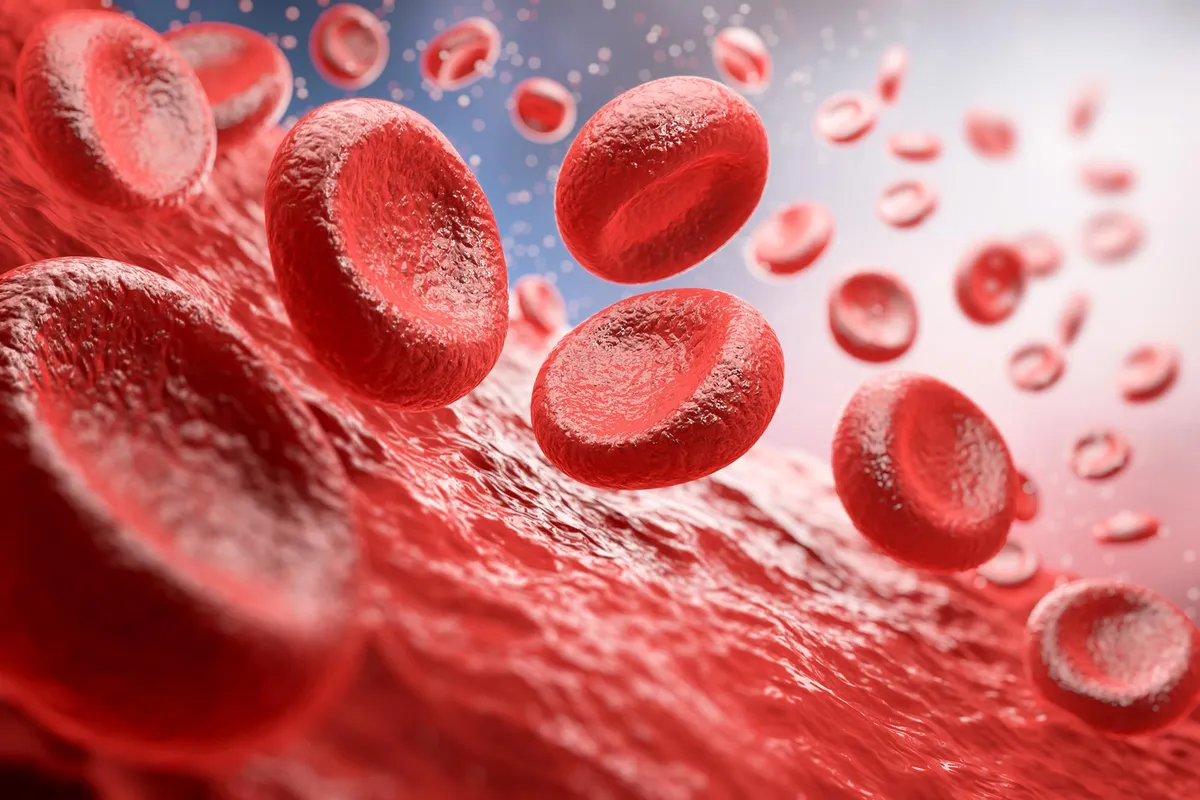
Scientists have now found 47 blood group systems. These contain over 360 known blood antigens. Antigens are molecules on the surface of red blood cells. Even small differences between donors and recipients can cause severe immune reactions.
The new MAL blood group system focuses on the AnWj antigen. This rare blood marker was first found in 1972. The name "AnWj" comes from the first patients who produced the antibody, Anton and Wj.
For over 50 years, researchers could detect the antigen but didn't know which gene created it.
A Medical Puzzle Finally Solved
The team used whole exome sequencing. This method looks at all protein-coding parts of DNA. They found that AnWj-negative individuals have deletions in both copies of the MAL gene.
This gene makes a small membrane protein called Mal. Mal helps with cell membrane stability and transport within cells. Researchers found that people with normal AnWj-positive blood have the full Mal protein on their red blood cells. AnWj-negative individuals do not.
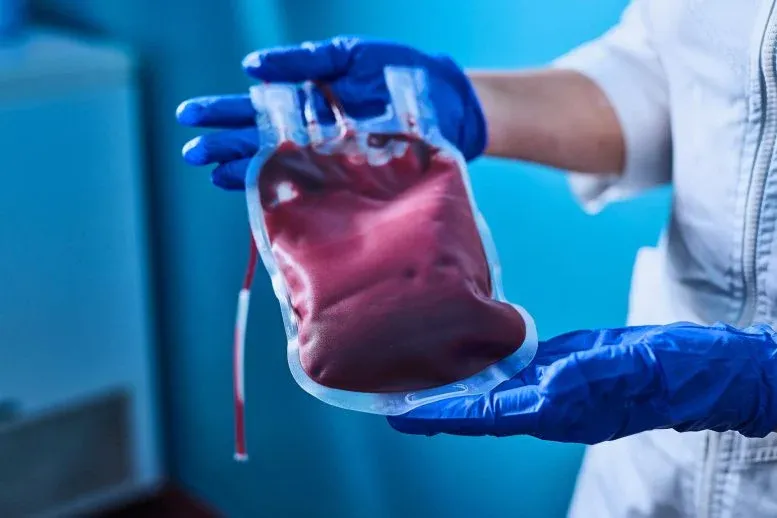
To confirm this, scientists put the normal MAL gene into blood cell lines in the lab. These cells then started making the AnWj antigen. Mutated versions of the gene did not. This proved that the Mal protein is directly responsible for the blood group.
The research also showed that Mal alone is enough to produce the AnWj antigen. This resolved earlier ideas that linked the blood type to other genes.
Why This Discovery Matters
Most people, over 99.9%, are AnWj-positive. But for the small number who are AnWj-negative, receiving incompatible blood could cause a serious transfusion reaction.
Until now, it was very hard to identify these individuals because the genetic cause of the blood group was unknown.
This discovery means new genetic tests can be developed. These tests can identify rare donors and patients before transfusions. Researchers believe these tests could eventually be added to current blood typing systems.
This is especially important because many AnWj-negative cases are not inherited. Some blood disorders and cancers can temporarily stop the Mal protein from working. This makes patients appear AnWj-negative even if they don't have the rare genetic form.
The inherited version itself seems extremely rare. The study found only five genetically AnWj-negative individuals. These included members of an Arab-Israeli family. Researchers think there may be more undiagnosed cases worldwide now that testing is possible.
Importantly, people born with the inherited MAL deletion are otherwise healthy.

A Discovery Decades in the Making
This breakthrough was possible because of new DNA sequencing technology. This technology didn't exist when the antigen was first found.
Louise Tilley, a Senior Research Scientist at NHS Blood and Transplant, spent almost two decades on this mystery.
Tilley said the genetic background of AnWj has been a mystery for over 50 years. She personally worked on it for nearly 20 years. She called it a huge achievement and the result of a long team effort to establish this new blood group system. This allows for better care for rare patients.
She added that the research was especially hard because inherited cases are so rare.
Ash Toye, Professor of Cell Biology at the University of Bristol, noted that modern genetic tools are changing transfusion medicine.
Nicole Thornton, Head of IBGRL Red Cell Reference at NHS Blood and Transplant, called the project one of their most challenging investigations.
The International Society of Blood Transfusion (ISBT) has formally recognized the discovery. MAL is now the world’s 47th official blood group system.
Why Rare Blood Research Is Increasingly Important
Rare blood types affect only a small number of people. However, identifying them has become more important as medicine becomes more personalized and globally connected.
Patients with uncommon blood groups often need specially matched donors. Sometimes these donors are from different countries. Blood banks worldwide keep rare donor registries. These help find compatible blood during emergencies or complex medical treatments.
Researchers say discoveries like MAL reduce the number of unexplained blood antigens in medicine. This improves both transfusion safety and our understanding of human genetics.
Deep Dive & References
Deletions in the MAL gene result in loss of Mal protein, defining the rare inherited AnWj-negative blood group phenotype - Blood, 2024