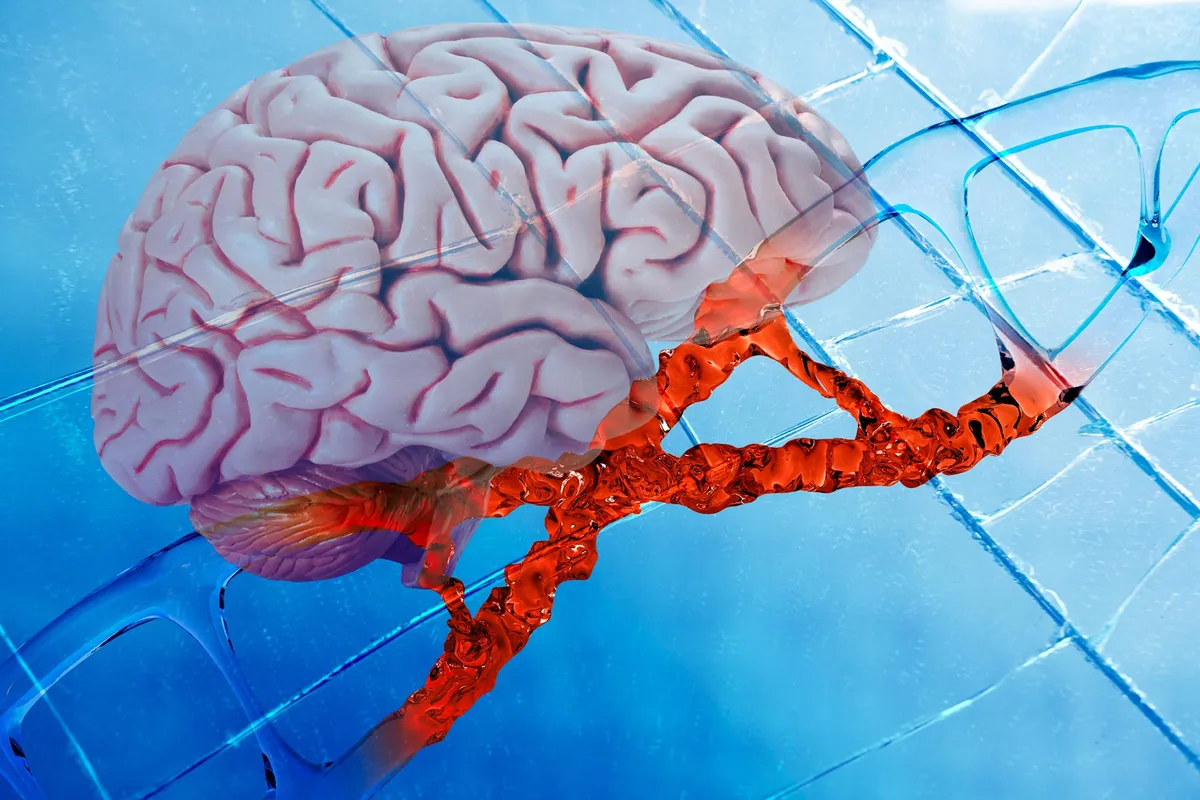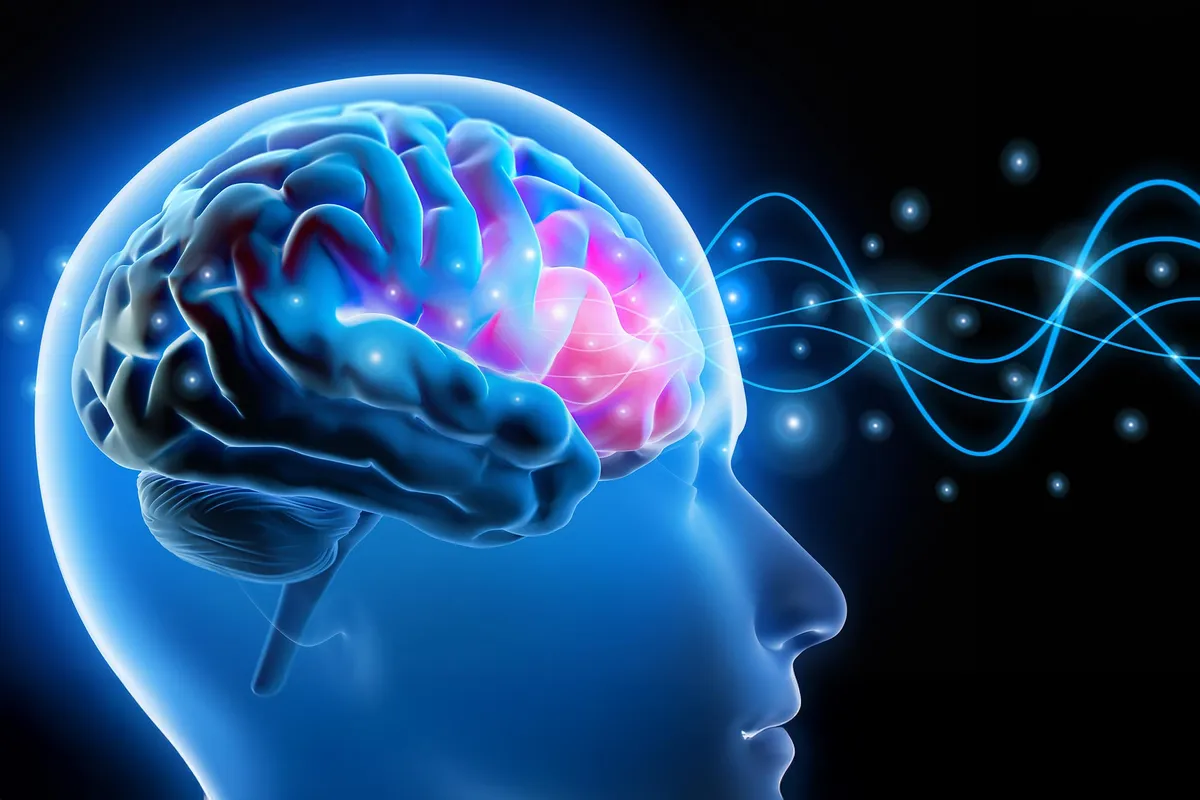
Imagine your brain as a bustling city, but a few key roads are blocked. Now imagine scientists swooping in and building entirely new express lanes, just for the traffic that matters. That's essentially what researchers at Duke University School of Medicine have cooked up: specialized proteins that act like tiny, biological electrical wires, creating direct communication bypasses between specific neurons.
This isn't just a clever parlor trick for lab mice, either. This new system, dubbed LinCx, has already demonstrably altered behavior and brain activity in both worms and mice. It's a precise, lasting way to reroute faulty brain networks, which could fundamentally change how we approach neurological disorders currently managed with long-term meds or external zaps.
Brains Get a Hardware Upgrade
Most neurological disorders stem from damaged brain circuits. Instead of trying to patch up the old, broken roads, LinCx just builds new ones. Dr. Kafui Dzirasa, who led the research, explains that they can now "plug in" new electrical connections with incredible accuracy. This is a big deal because, unlike other methods that blast a whole area of the brain, LinCx makes surgical-strike changes to specific circuits. It's like going from a city-wide blackout to rewiring a single streetlamp.
We're a new kind of news feed.
Regular news is designed to drain you. We're a non-profit built to restore you. Every story we publish is scored for impact, progress, and hope.
Start Your News DetoxThe secret sauce? Proteins found in fish, which naturally form electrical connections. The team engineered these proteins so they only connect with specific modified partners, ignoring all the other natural brain proteins floating around. This prevents those pesky, unwanted connections that plagued earlier attempts.
After a lot of lab work, including a new fluorescence-based method to identify the perfect protein pairs, they put LinCx to the test.
In mice, these engineered links didn't just strengthen communication in targeted circuits; they reshaped activity across the entire brain. The mice, for their part, showed measurable changes in social interaction and stress-related behaviors. Because apparently, even mice appreciate a good brain bypass when their circuits are feeling a bit frazzled.
They also showed off LinCx's flexibility in worms, where the new connections changed how the little critters sought out different temperatures. The takeaway: this isn't a one-trick pony. For decades, neuroscience lacked tools to precisely control communication between specific cell types. Drugs and electrical stimulation are broad strokes. Optogenetics is better, but still impacts larger groups. LinCx is a fine-tipped brush.
The next step is to see if LinCx can fix connection problems caused by lifelong genetic issues. Which, if it works, means we might be looking at a future where we don't just treat symptoms, but offer brains a literal hardware upgrade.