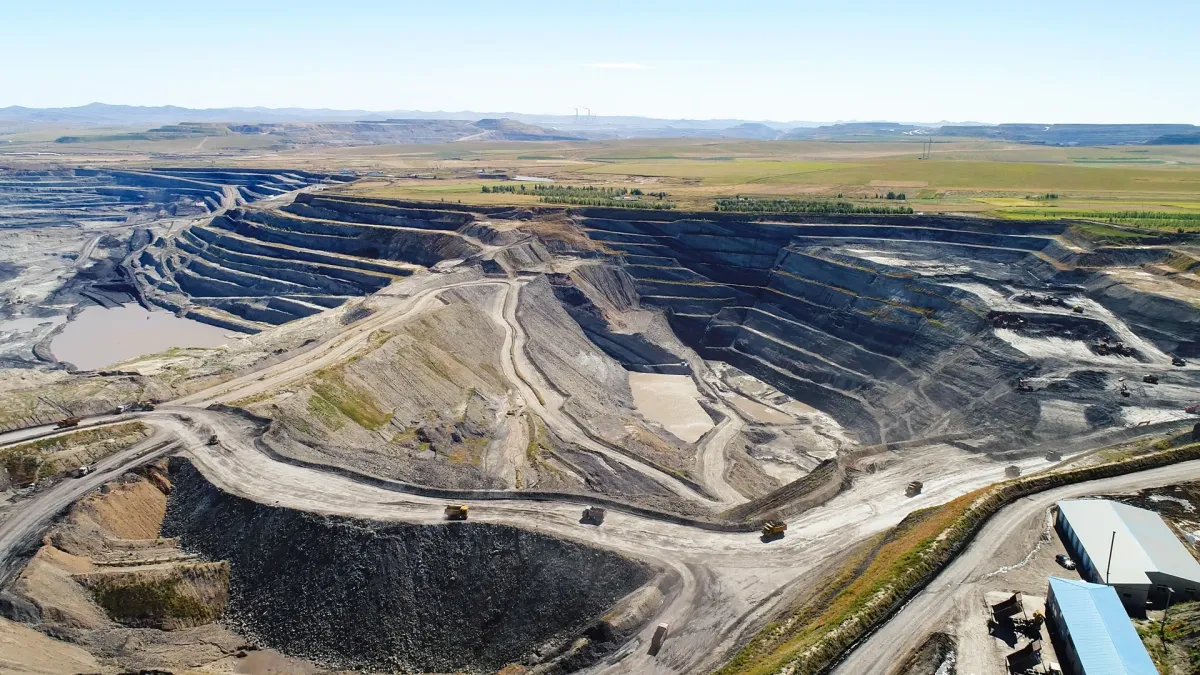
Turns out, the future of your smartphone, EV, and maybe even a stealth bomber could get a little greener — or at least, a lot less chemically intensive. Researchers in China have just announced the discovery of new rare earth deposits in the country's northeast that promise cheaper, easier, and significantly more eco-friendly extraction.
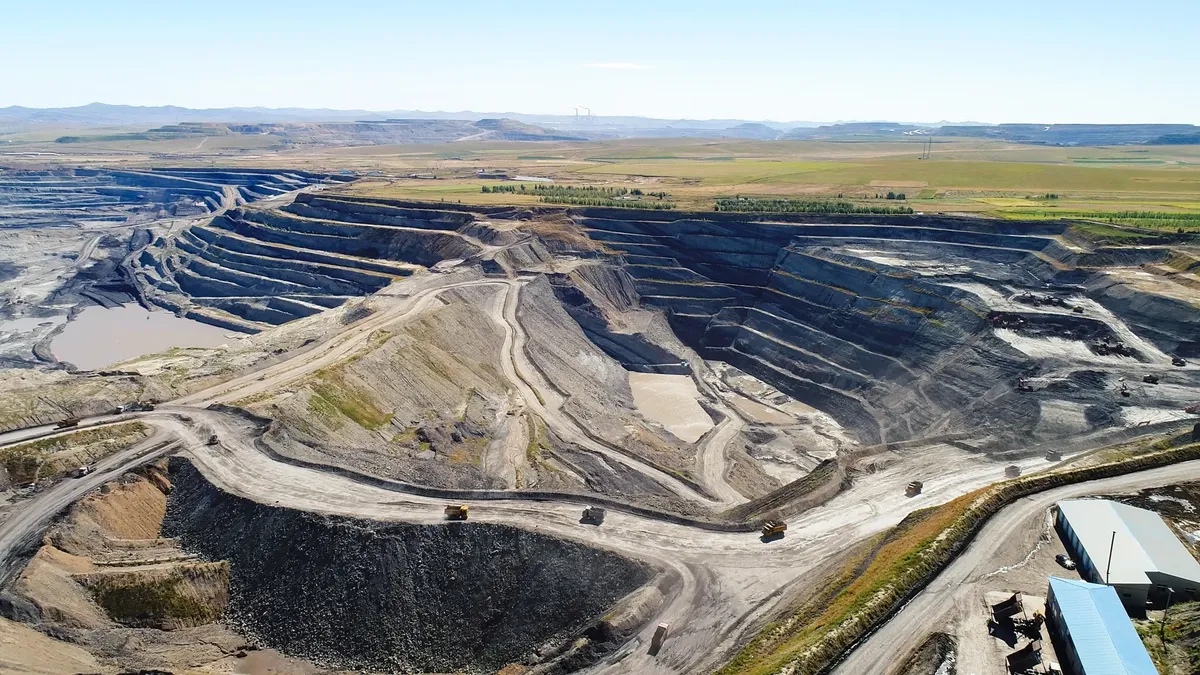
This isn't just about finding more of the good stuff; it's about finding it in a different kind of good stuff. These new deposits, located in Heilongjiang and Jilin provinces, formed over eons through a series of freeze-thaw cycles. Unlike the familiar clay-rich deposits in southern China, these northern finds don't require the usual chemical leaching process.
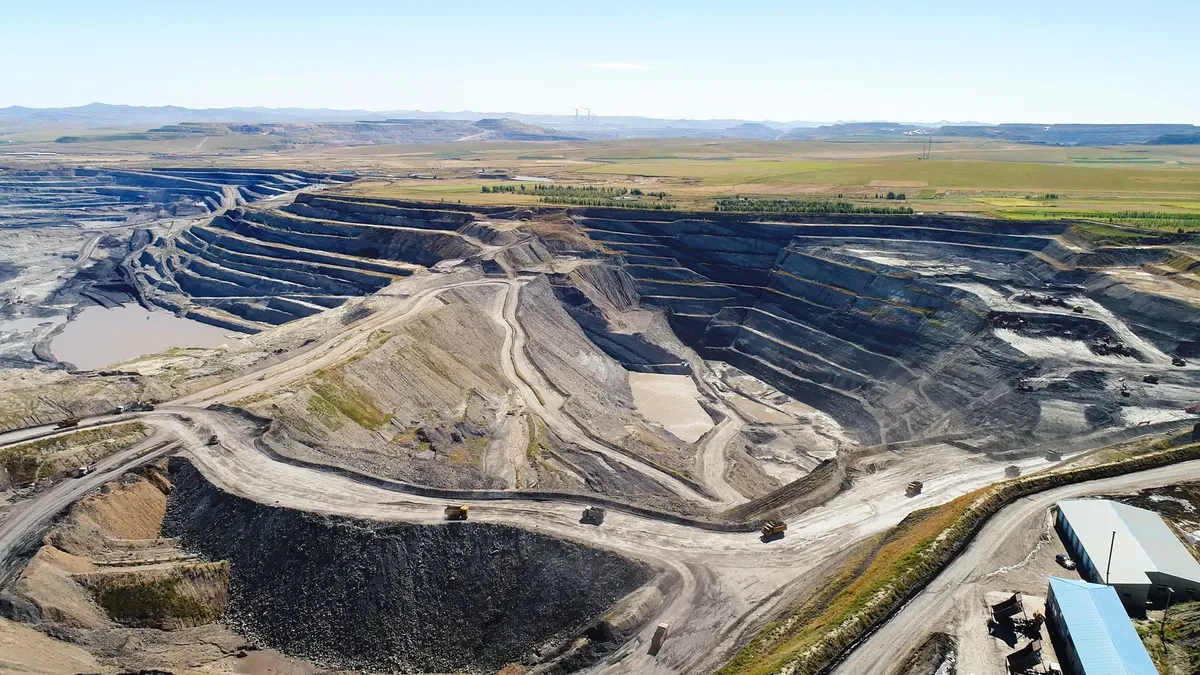
Now, chemical leaching is a bit of a nightmare: expensive, inefficient, and terrible for the environment. It also leaves up to 25% of those precious rare earth elements unrecovered. So, finding a way around it? That’s like discovering a new superhighway that bypasses all the traffic.
We're a new kind of news feed.
Regular news is designed to drain you. We're a non-profit built to restore you. Every story we publish is scored for impact, progress, and hope.
Start Your News DetoxWhy This Matters (Beyond Just More Minerals)
China already refines about 90% of the world's rare earths and mines over 60% of the global supply. This new discovery could solidify that lead, which is particularly interesting given ongoing discussions between the U.S. and China about critical mineral supply chains. Beijing recently agreed to help address American concerns about shortages. Because apparently, that’s where we are now.
Rare earth elements (REEs) are a group of 17 elements — 15 lanthanides, plus scandium and yttrium — that are absolutely vital for everything from high-performance lasers and wind turbines to EV motors and, yes, your smartphone. They don't just hang out in pure form; they're usually tucked away in minerals like silicates or oxides.
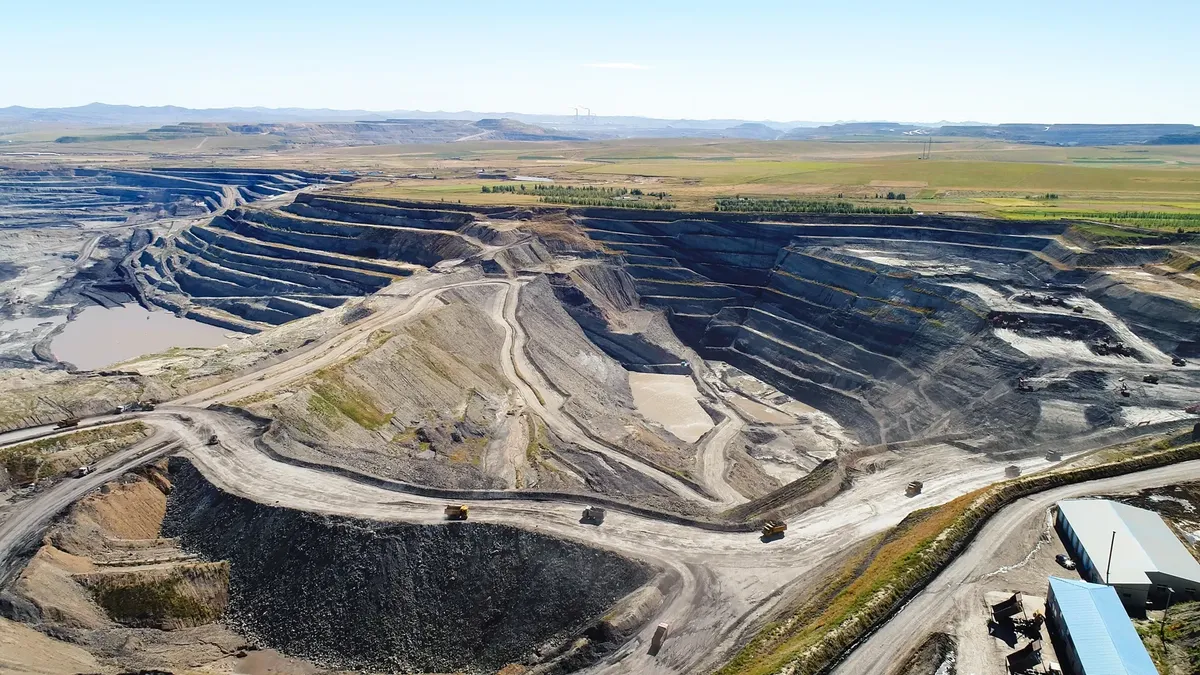
But here’s the kicker with these new northern formations: the rare earths are found in separate, individual particles like monazite and xenotime. Think of it as finding a treasure chest where the jewels are already sorted, rather than mixed into a giant, muddy pile. This could make extraction dramatically simpler.
Heavy rare earth elements are especially coveted because they're scarcer and crucial for defense systems and EVs. Traditionally, China's heavy rare earth resources were concentrated in the south. But these new findings suggest they might be far more widespread than previously thought, with some samples from Jilin showing unusually high levels.
The team told the South China Morning Post that these new "mineral dissociation-type deposits" boast higher overall rare earth levels and are rich in light rare earth elements compared to the southern "ion-adsorption-type" deposits. It's a geological plot twist that expands the potential for rare earth resources and underscores the industrial and strategic importance of these northern finds. Let that sink in next time you charge your phone.